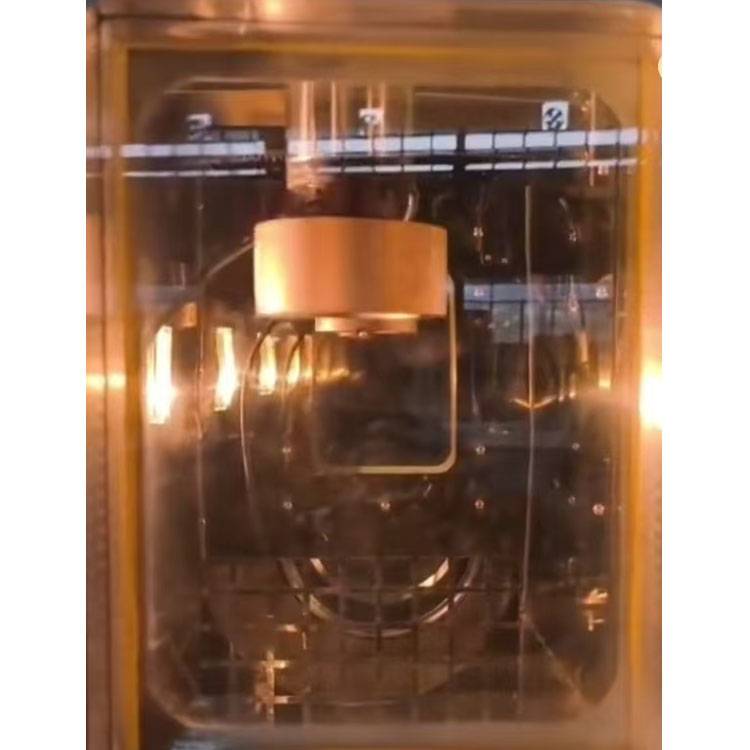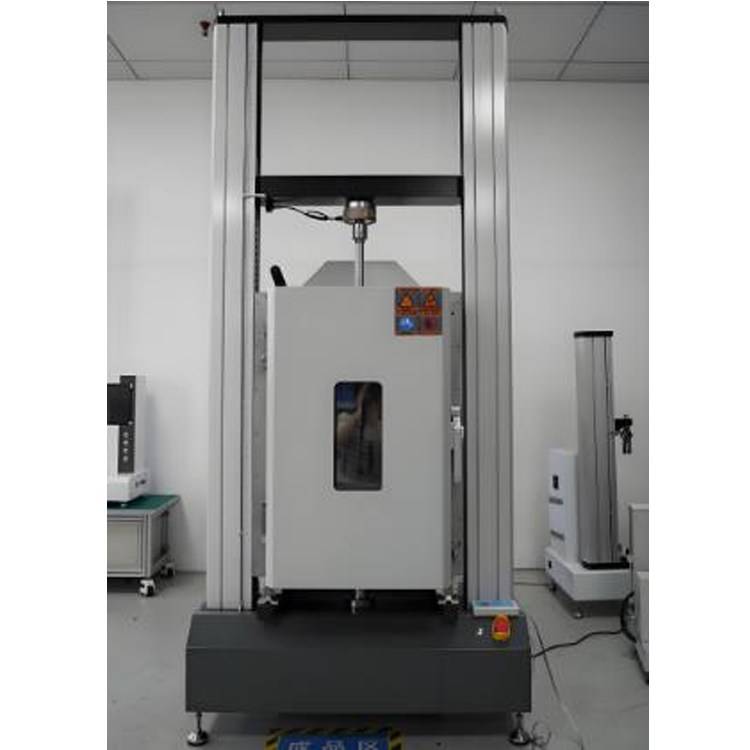


The suspended air spring high-temperature shelf fatigue tester is used primarily to test equipment for the exhausting life of the air spring in different temperature environments and is used mainly for suspension system components in the areas of automobiles, orbital traffic。
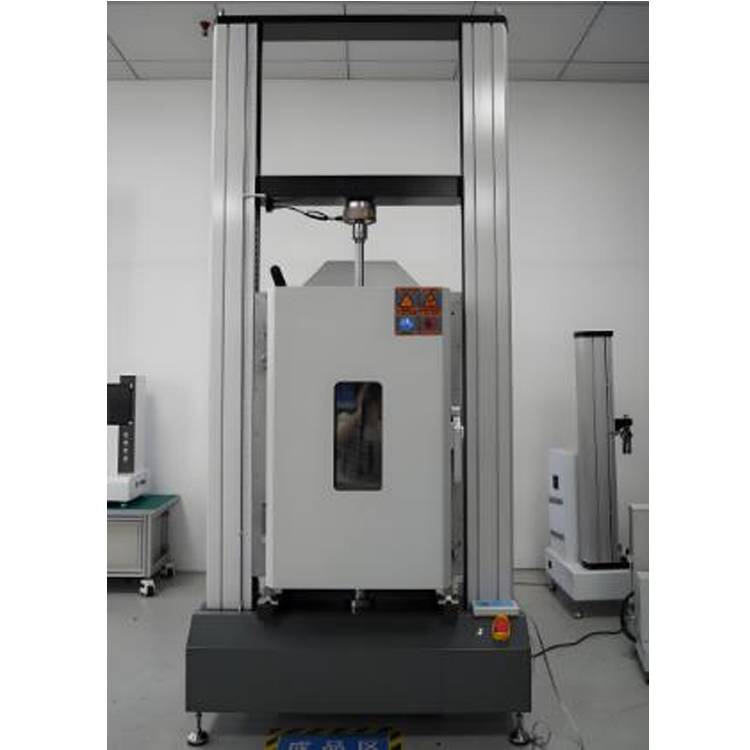
Technical indicators:
High-temperature environmental parameters
Temperature range: -40°c ~ 120°c
Temperature fluctuations: ±0. 5°c ~ ±1°c
Temperature evenness: ±2°c ~ ±3°c
Temperature rate: 5°c/min ~ 10°c/min (aerial)
Temperature rate: 3°c/min ~ 5°c/min (aerial)
Tired load parameters
Load method: axle stretch/compress
Load range: 0 ~ 50 kn
Load accuracy: ±1% fs (full scale)
Offset range: 0 ~ 500 mm
Offset accuracy: ±0. 5% fs
Test frequency: 0. 1 hz ~ 10 hz
Air spring control parameters
Inflated pressure range: 0 ~ 1. 0 mpa (conventional), extended to 1. 6 mpa
Pressure control accuracy: ±0. 01 mpa
Sealability test: leakage can be monitored (e. G. ≤0. 01 mpa/h)
Power: 380v ac 50hz (normally 10kw ~ 30kw based on power configuration)
Note: the above parameters are tailored to client needs
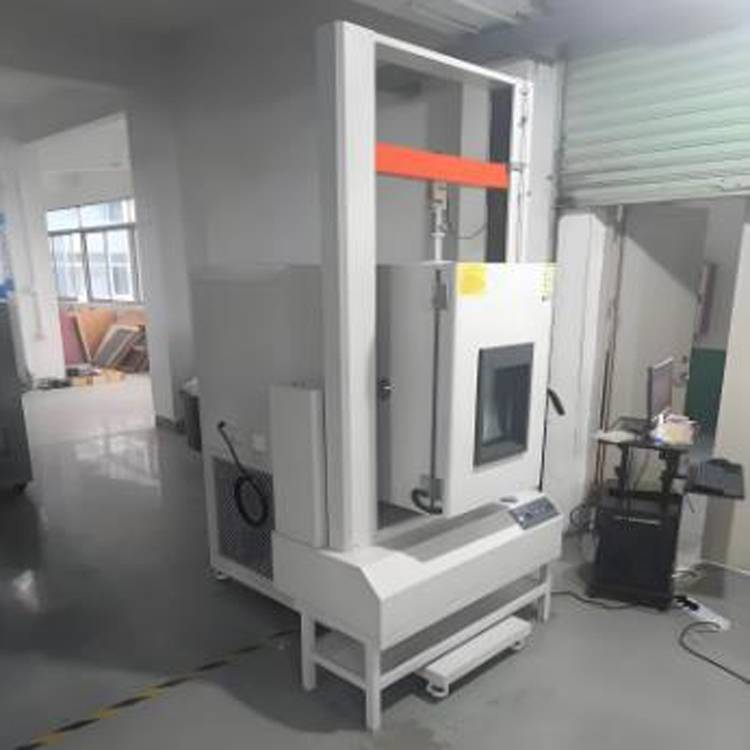
Main functions:
High-temperature environment simulation: controls the temperature in the test chamber with precision and simulates the working state of the air spring in extremely high-temperature conditions。
Weary life test: the performance decay and failure of the spring after long-term use is detected by applying periodic loads to simulate the repeated stress of the spring in the movement of the vehicle。
Data acquisition analysis: real-time recording of parameters such as load, shift, temperature, pressure, etc. During the test, and assessment of performance indicators such as fatigue, sealability, rigidity, etc. Of the air spring。
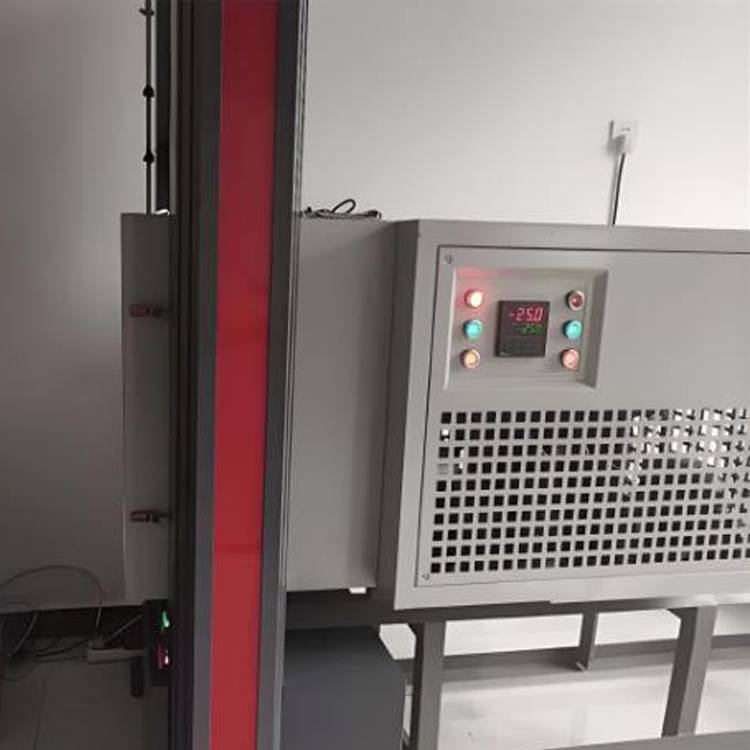
Structure of equipment:
1. High cryogenic environment test module
Bulk structure: thermal insulation materials to ensure temperature stability with observation windows and sealed doors。
Temperature control systems: includes heaters, chillers, temperature sensors and controllers to achieve precision control of the temperature range -40°c ~120°c。
Auxiliary devices: e. G. Circular wind machines (soft-soft-in-console), drainage systems (responsible for cryogenic frosts)。
2. Tired loading system
Loader: usually, for the servicing of hydraulic tanks or electric servile tanks, provide an axle stretching/compression load, some of which can be attached to the retrace load component。
Power source: hydraulic pumping stations or servers providing power to loaders。
Move and direct components: e. G., roller wire bars, linear guidance tracks, etc., to ensure the stability and degree accuracy of the loading process。
3. Air spring support and regulation systems
Installation: for fixed air springs, the location and angle of the installation can be adjusted to different specifications to simulate the actual assembly state。
Pressure control systems: includes air presses, tanks, precision pressure control valves, pressure sensors, etc., to achieve stable control and real-time monitoring of internal air pressure in the spring。
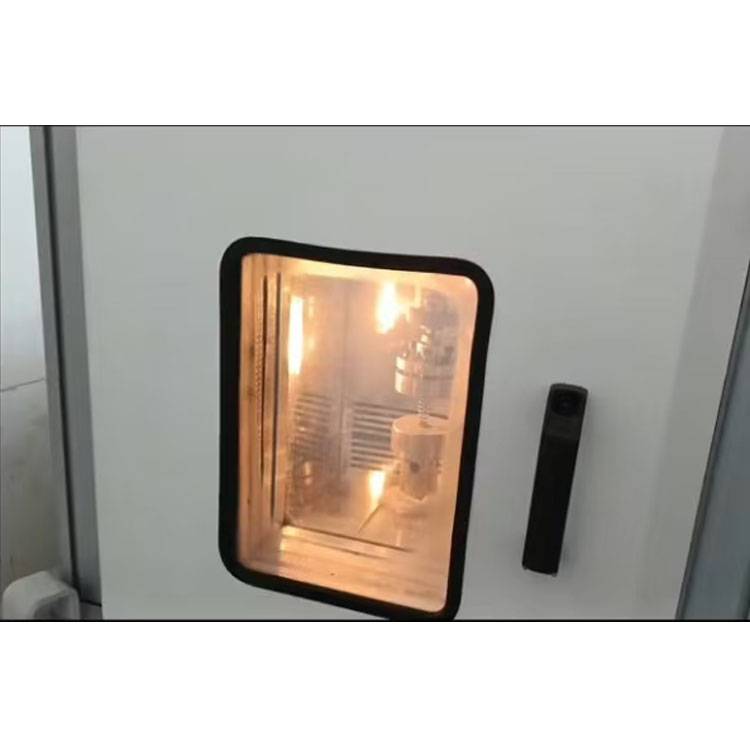
4. Monitoring and data collection systems
Sensors: payload sensors, shift sensors, temperature sensors, pressure sensors, etc。
Controller: use plc or industrial computers, combined with specialized software, to set and close the loop control of parameters such as load frequency, bit transfer/load bands, temperature, etc。
Data acquisition and analysis module: real-time recording of data on loads, shifts, temperature, pressure, etc. During the test, generating curves or reports, assessing fatigue life and performance changes。
5. Security protection system
Includes overload protection, ultra-temperature/low-temperature protection, air pressure abnormality alerts, stop buttons, etc. To ensure that the test process is safe and reliable。