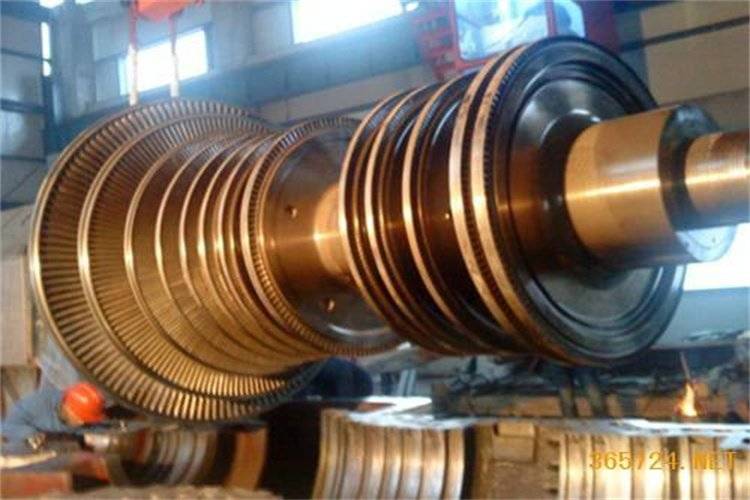


Tge motor oils, 2022, medium speed out
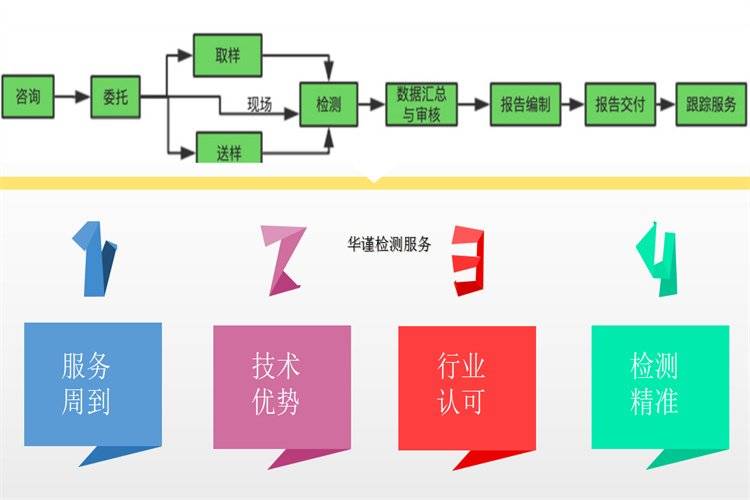
The purpose of the wigand tests technology company is “scientific accuracy, timeliness, independence and impartiality, and service”, with its ambitious development strategy “by the pearl triangle, a vision, a world-wide perspective” and its commitment to the detection and consultation of metal materials. The purpose of our services is to provide a professional third-party testing agency that can produce sexual examination reports. We have always followed an accurate, rapid, impartial and confidential approach to the purpose and quality of our services。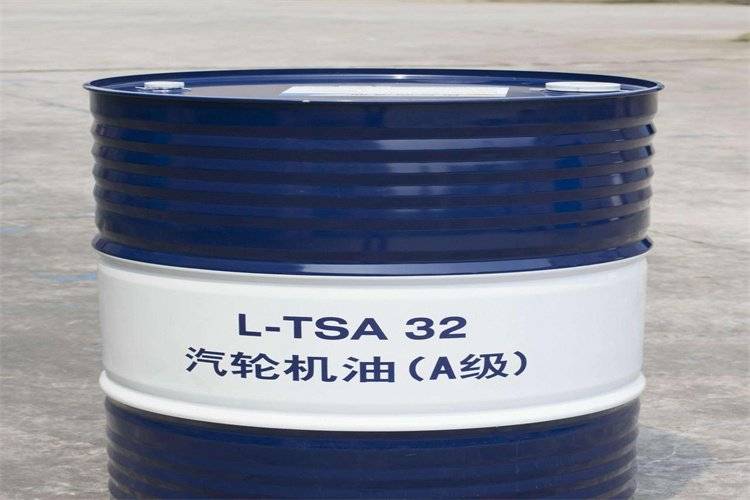

The gas tanker oil is commonly used as no. 46。
Our product standard for l-tsa motor oils (l for lubrication, t for grader (gas) and s for anti-rust solvents and a for antioxidation) is gb11120-89, which divides tanker oils into 32, 46, 68 and 100 viscosity levels based on the central value of kinetic viscosity below 40 °c, of which 32 and 46 refer to the viscosity of oils (the viscosity is an indicator of liquid mobility, which has a significant impact on the transmission and combustion of oils), usually expressed as a gnocerosity, with the symbol °et. The so-called viscosity of nz is 200 cubic centimetres of oil, which, at a certain temperature, is less oil in car no. 32 than in motor no. 46, given the length of time it takes to leave through a standard sized hole than the 0 per cent viscosity of the same volume of water at 20°c。
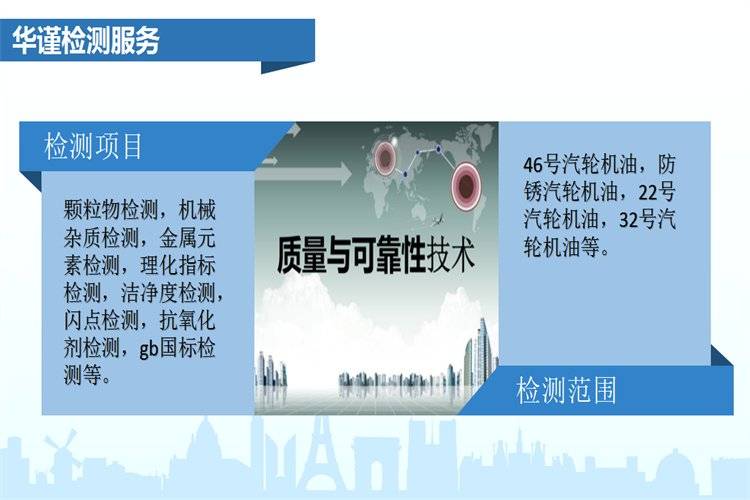
Motor oil detection project
Particle, mechanical impurities, emulsion, metal element, colour, acid, quality
While it is normal to have a small number of foams during the operation of the motor, a large number of foams are abnormal. The structural aspects (e. G., back-pipe sections, oil spills, etc.) have been largely caused by the following: (1) oil oxidation; (2) over-consumption of anti-bumber in oil; and (3) external pollution such as water, dust particles, etc。
While it is normal to have a small number of foams during the operation of the motor, a large number of foams are abnormal。
The main reasons for excluding structural aspects (e. G. Returning to the pipeline, oil spills, etc.) are the following:
(1) oil oxidation
(ii) excessive consumption of anti-fouling agents in oil
(3) external pollution such as water, dust particles, etc。
There are three main options for foam elimination:
(1) strengthening pollution control and reducing concentrations of moisture and solid particulate pollutants in oil
(2) refuelling, release of parts of old oil, and refilling of appropriate amounts of new oil, which requires first filtering
(3) add blowing agents and recommend that the oil be regenerated with a regenerative purification mechanism before the oxidizer is removed from the oil. It is recommended that sampling of lubricant oil used by the problem crew be tested, that the oil performance be tested, that the significance of the oil contamination, antioxidation, anti-fibrous performance, air release, etc. Be evaluated, and that the appropriate treatment be selected based on the results of the tests。
Aluminium platinum polybrominated biphenyls (pbb) test
