


Oil grinding diameter testing, motorcycle gear testing, oil dump point testing
With advanced oil detection equipment and a highly qualified team of technicians, you can complete all project tests for gasoline, kerosene, diesel, biodiesel, lubricating oils, hydraulic fluids and offer you quality, accurate and affordable oil testing services. Monitoring of lubricant indicators, testing of regular lubricant projects, specialized testing institutions, professional inspection teams, years of production experience, good quality of products, low prices, authoritative testing reports, welcome callers, focus on quality testing of oil and possess cma/cnas qualifications。


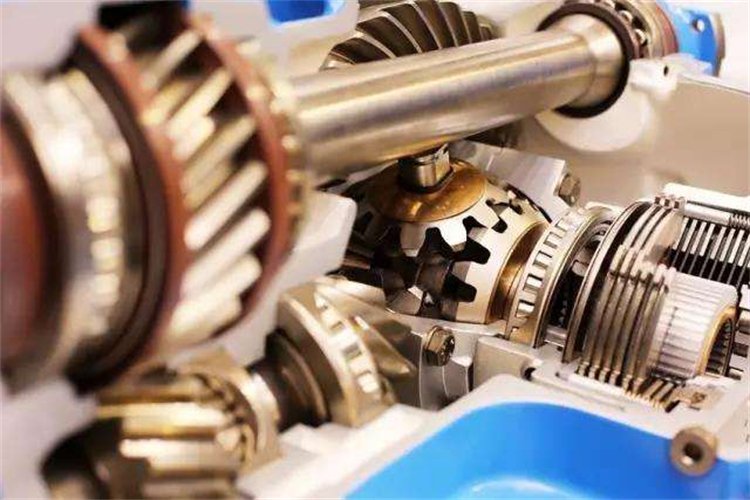
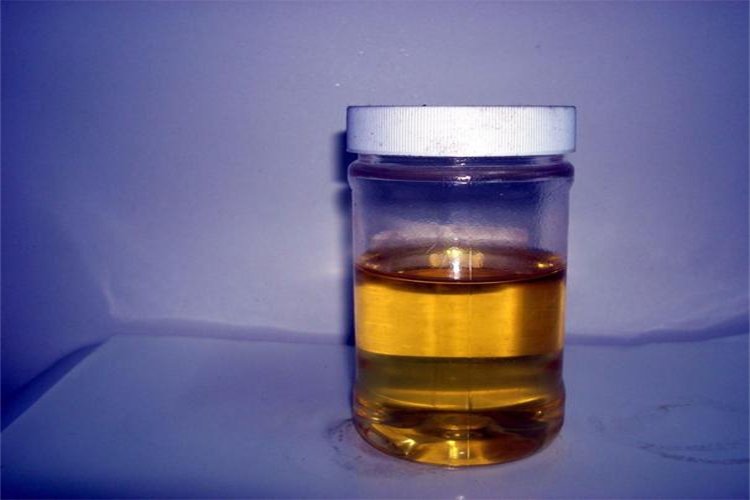



The difference in the conditions of use of gear oil, which can be divided into vehicle gear oil and industrial gear oil by use, determines their performance. In addition to the items of viscosity, viscosity index, flash point, moisture, mechanical impurities, copper corrosive, bubble resistant, etc., the assessment of cargo oils focuses on ultra-pressure resistance, oxidation and emulsion resistance, while cargo oils focus on low-temperature properties and the ability to pass four gear test racks. Industrial gear oils are similar in composition to vehicle gear oils, but industrial gear oils cannot be used in vehicle manual gear transformers and behind bridge transformers, and other thermal oxidation stability, rust, etc., other than extreme pressure performance, cannot meet requirements. The use of vehicle gear oils instead of industrial gear oils also depends on the condition that the vehicle gear oils are numbered at 100°c and industrial gear oils are numbered at 40°c viscosity, which requires conversion to know if the sticky values are close and cannot be replaced directly. Second, vehicle gear oils are more compact, contain more active sulphur components and are prone to corrosion of non-ferrous metals, so that they are replaced with information on whether the gear case is a perishable metal. In addition, vehicle gear oils require no moisture performance and should be treated with caution。
Testing items
Materialization indicators: octane values, anti-explosive index, lead content, distillation range, vapour pressure, actual glue, induction period, sulphur content, doctoral test or sulfur content, copper table corrosion, water soluble acid or alkalin, mechanical impurity and moisture, benzene content, aromatic hydrocarbons content, alkyl content, oxygen content, manganese content, iron content, mobility viscosity, tipping point, temperature at the time of surface viscosity of 150 pa. S, flashpoints, ditchpoints, viscosity index, bubbles, corrosion test, mechanical impurities, water fraction, acetane insoluble, sulfate ash, sulphur, phosphate, phosphorus, nitrogen, calcium
Usage performance: storage stability, rust tests, injury resistance experiments, carrying capacity, heat oxidation stability, etc
Criteria
Gb 253-2008 powered kerosene
Gb 17930-2011 petrol for vehicles
Sn/t 2790-2011 requirements for the evaluation of the quality of petrol for imported vehicles
Gb 18351-2010 ethanol gasoline for vehicles
Gb/t 23799-2009 petrol for vehicles
Aluminium beehive burner test, flame resistance level test, building materials fire level test
