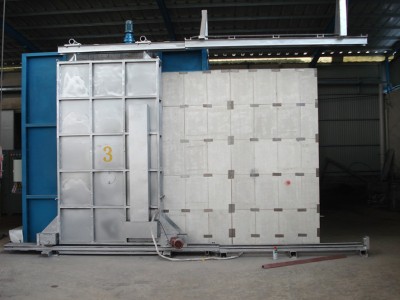



From iron ore to toast and distilled whiskeyIndustrial electric furnacesIn order to complete the heat process, thermal energy is derived from fossil fuels or electricity, so that the information processed can be solid, liquid or gaseous. More than 80 per cent of the power in the heat process is consumed in fuel stoves in the steel, cement, ceramics and glass industries。
Industrial stoves that are better designed and operate better than electric heating stoves may be more efficient. The energy used in the heat process can be classified into the following types of heat, which is required to heat the product to high temperatures。
Subheat, heat absorbed or released when objects vary, e. G., melting, evaporation, re-clination. Response heat, the amount of heat absorbed or released by the object during its chemical reaction. In product treatment, e. G., deoxygenization, decarbonization, carbon seepage, nitrogenization, devulcanization need to be supplemented by related elements such as hydrogen, carbon, nitrogen energy consumption。
Thermal loss and the loss of heat from industrial electric furnaces through furnace walls, doors, water cooling systems. The loss of smoke heat from fuel stoves includes the incomplete burning of heat, smoke heat and the sub-heating of water vapour following the burning of ammonia. In most heat processes, the main components of energy-saving operations are directly reflected in the latter two items. Of course, some modern thermal processes, such as furnace ironing, can also yield significant energy savings。
From http://www. Zbshdiianlu. Com
