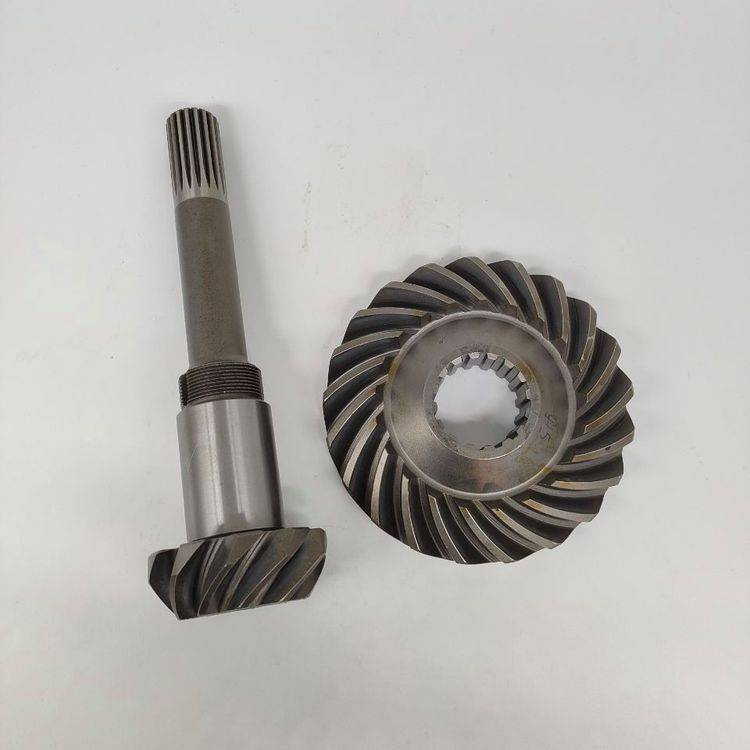
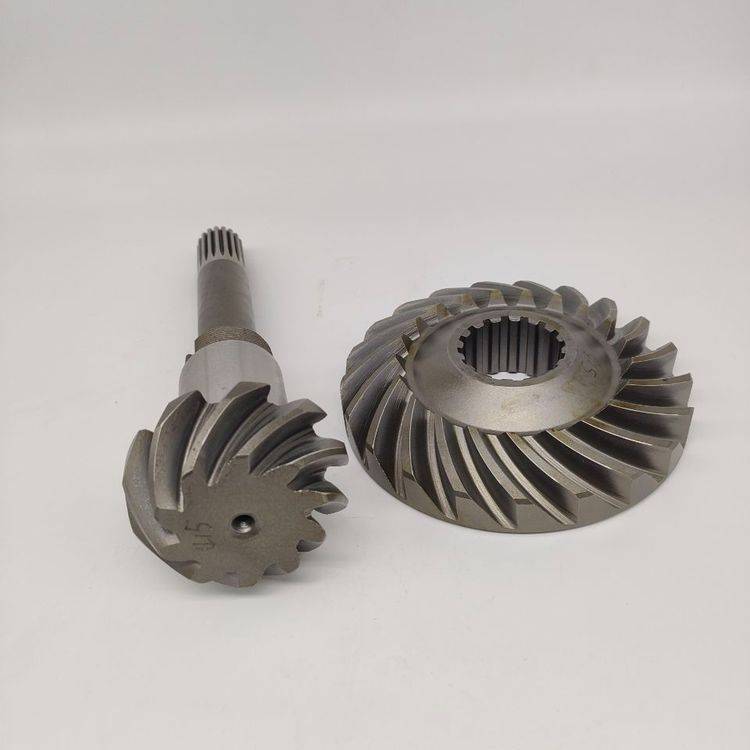
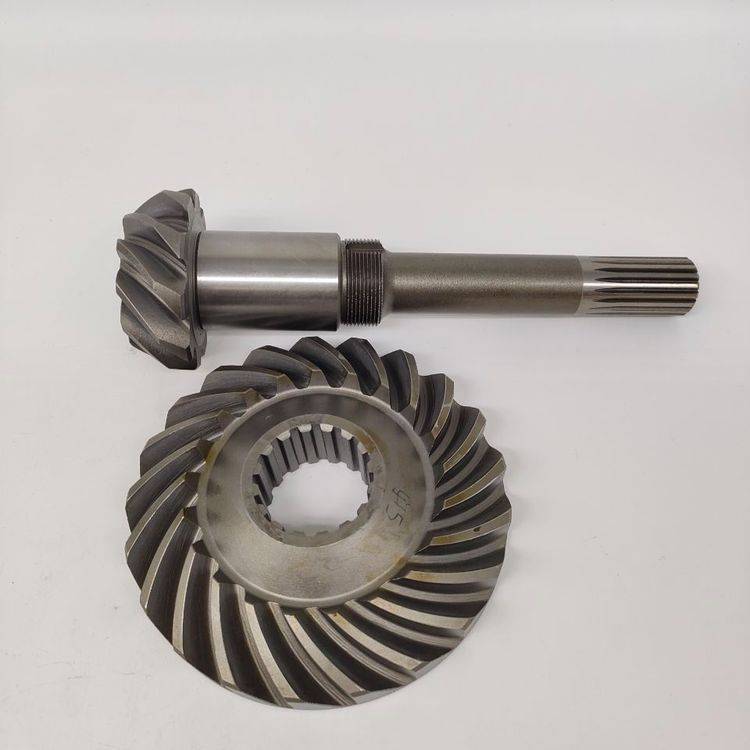
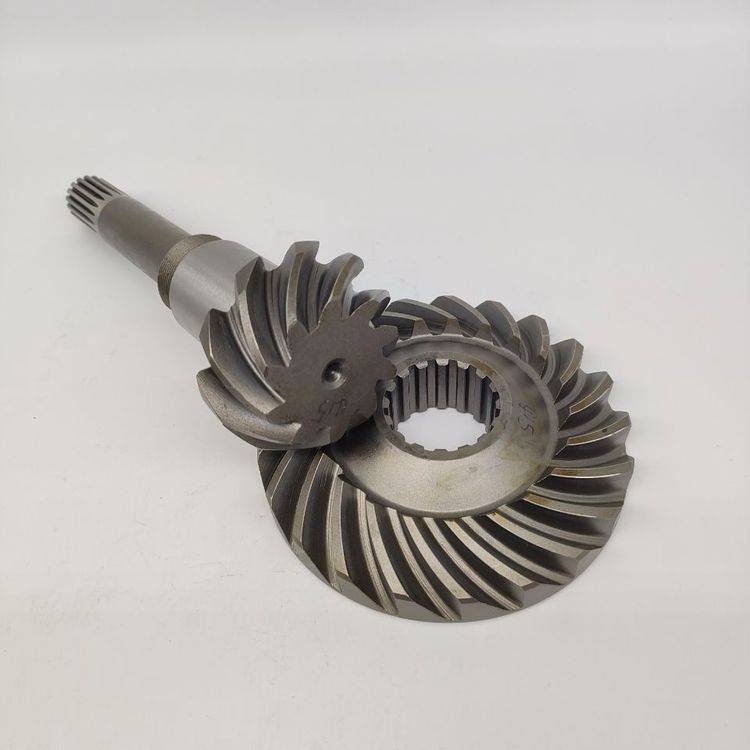
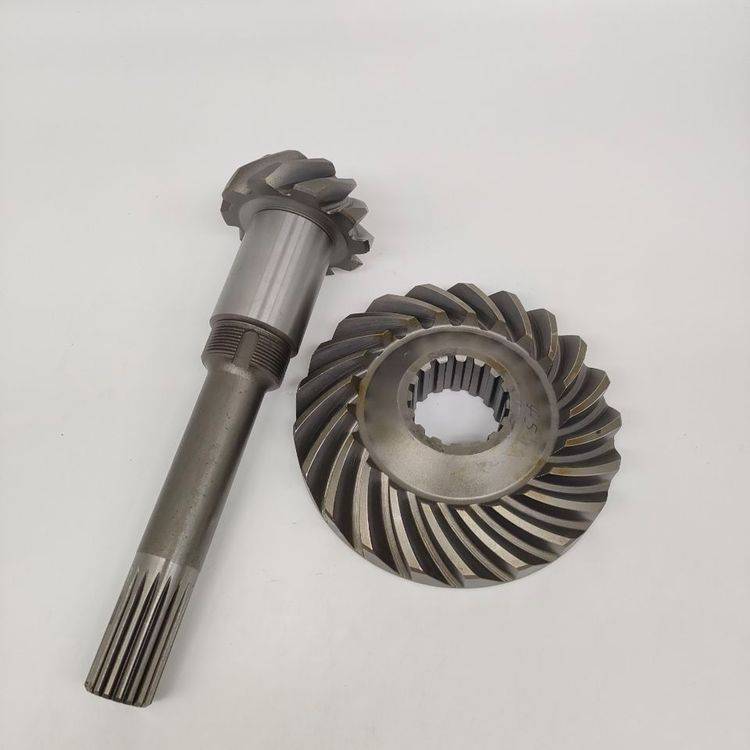
Forklift fittings combined with ccd30 liquid transformer output axes and umbrella gears, forklift transformer boxes are grouped according to the forklift power pattern: the internal forklift mechanically moving gearbox, the internal forklift liquidly moving gearbox and the electric forklift transformer box, the three ways in which the internal forklift transformer gears are replaced: manual mechanical transformer boxes, automatic block-off gearboxes, electronic stagger transformer gear boxes, and the performance design of the transformer box is divided into three areas: adjusting engine-to-drive transmission ratio, moving back to the driver, working without charge, working without charge, and working at low speed to control power transmission. The transformer structure functions are divided into two parts: the gear transfer and speed manoeuvre. The function of the gearing vehicle changes the direction of the rectangular, speed and rotation; the manipulative function of the vehicle is to control the gearing ratio of the gearing agent, which is linked to the fly-by-shell and the drive bridge, respectively (the large-tonne forklift is passing through the all-way drive axis). Forklifts in the 3-ton series are two stages forward and back, and forklifts in excess of 5 tons are three-to-five. Mechanical transformer gear boxes are operated by a motor shifter, a switch to a manoeuvrer pole, a forklift, a forklift and a self-locking device, accompanied by mechanical movement of an internal forklift
With the extensive application of the hydraulic transmission gearbox, the complexity and fatigue of mechanical transmission manoeuvres, in addition to special conditions such as the uneven grounding of the slope and open field operations, the large slope bridge loading operations, has been largely replaced by hydraulic manoeuvres, the motor forklift's transmission system, given the fact that the engine is being reversed and re-engineered, does not require a mixer and speed transformer, the basic function of the transformer box is to reduce the speed box, further improve the rotation, the reverse of the electric forklift is achieved by the reverse of the engine, the four-wheel-balanced forklift is directly linked to the driver and the front bridge level, the three-point forklifts are rear-wheel driven, the motor and the one-stage forklift are connected vertically (or referred to as the speed reduction box) and some electric forklifts are carried in two-stage mode.