


More famous erp, more famous erp, more famous erp, more famous erp software, shenzhen teng, more focused on ict solutions for small and medium-sized enterprises, addressing many of the management challenges in the enterprise, making business management no longer a challenge!
The edc production management software is based on an internet-based operating platform, using a technology-compliant web web-based viewing system, an enterprise management system dedicated to manufacturing, which provides a robust and well-functioning integrated erp management system at the office, business, sales, procurement, production, engineering, quality, warehouse and financial management levels。
Edc production management software features:
1. There are no user limits to software and no workstation limits. (no restrictions on the number of users, no computer restrictions)
2. A one-time buyout of software to support the use of mobile internet devices such as mobile phones, tablets and other devices, with lifelong access
3. Powerful, very simple software operations, without too many cumbersome processes, one religion will and will not be taught
4. The training cycle is short and the successful operation of the system within a week does not require too much effort。
Screenshot of the edc production management software interface
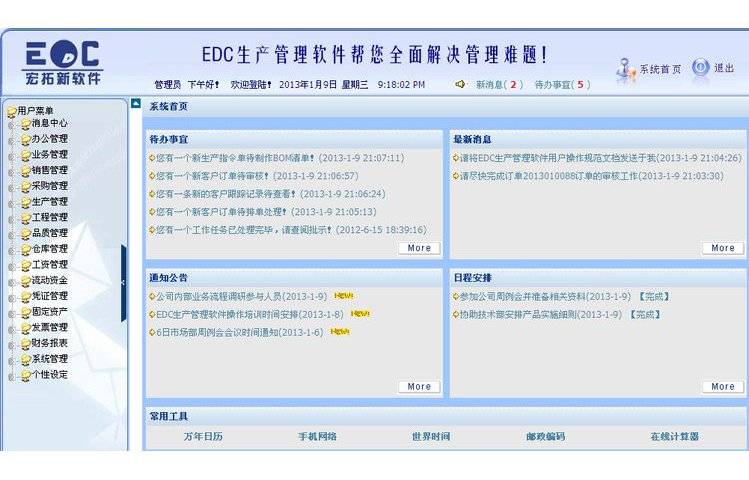
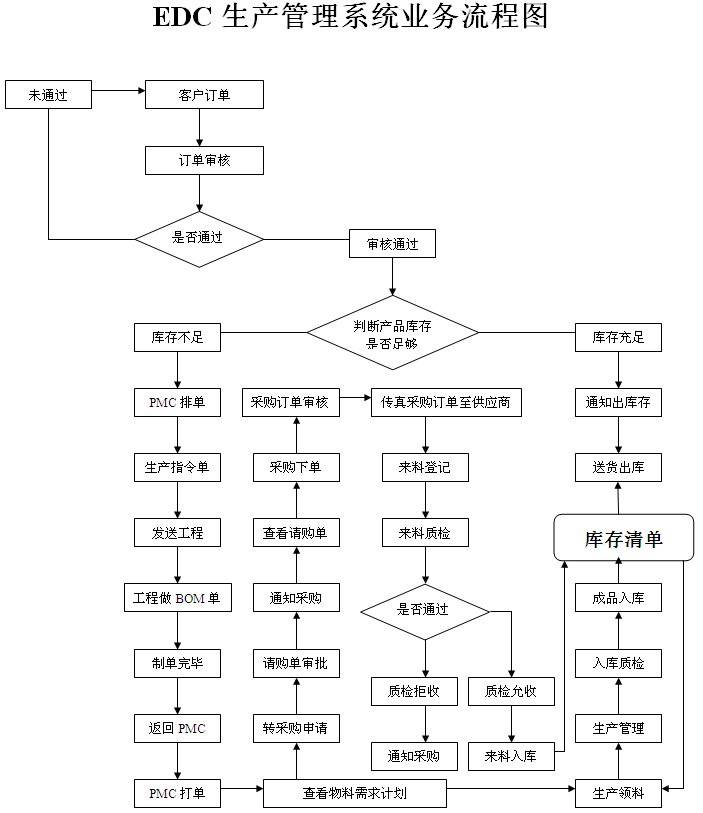
Introduction to the edc production management software functionality module
1. Information centre
Sets the order process to notify the object, the system automatically sends the shortcut to the set handler (not to worry about not working), the internal mail system displays to-dos and unread messages on the day. Make the job work as it pleases, so as not to forget the to-do caused by the complexity of things; and improve the efficiency of communication within enterprises。
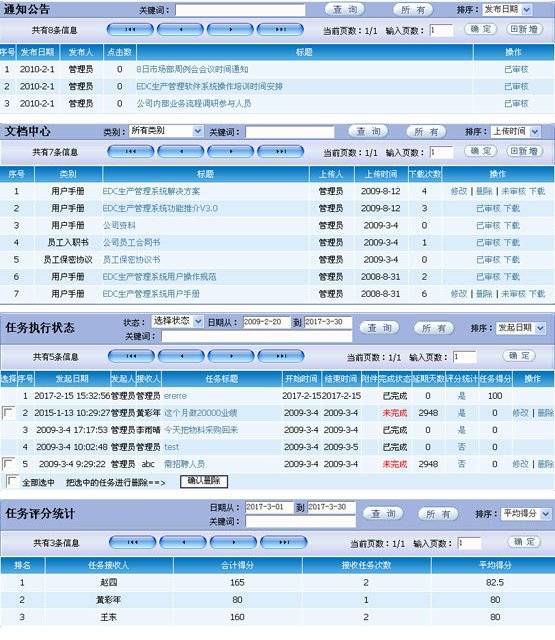
Office management
Build a platform for intra-firm information and resource sharing; build management knowledge for enterprises while helping them quickly to improve office efficiency and quality; and create a harmonious and efficient office environment for enterprises。
3. Operations management
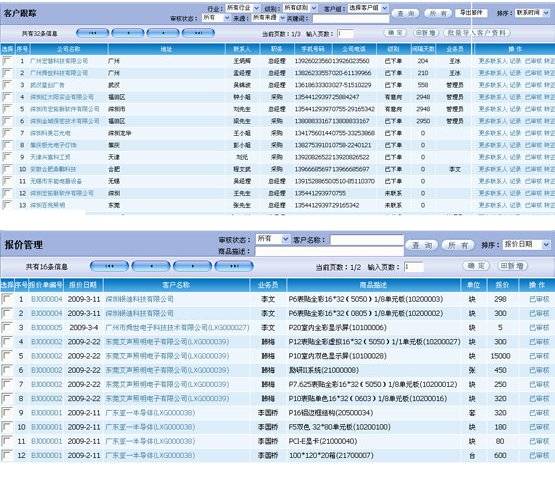
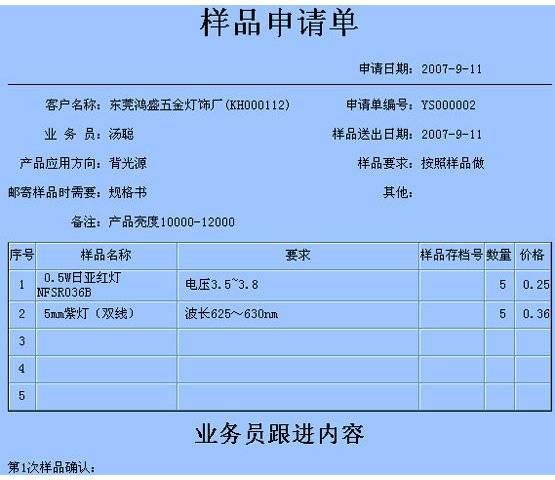
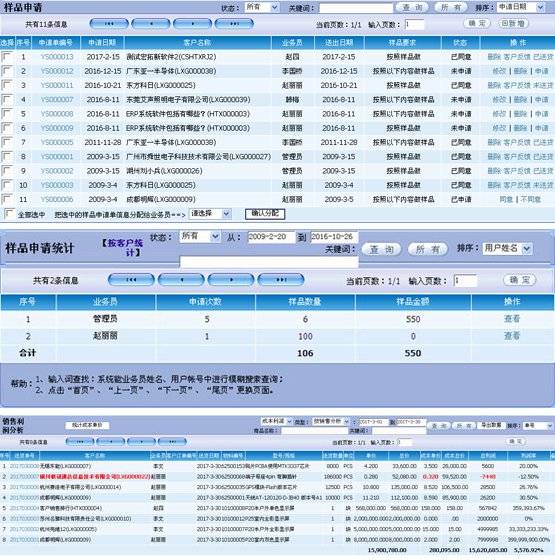
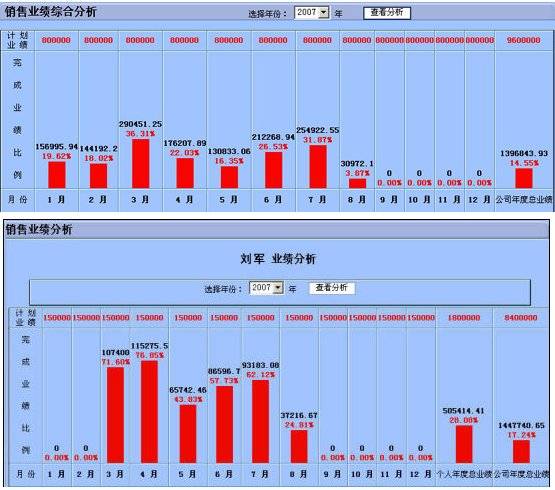
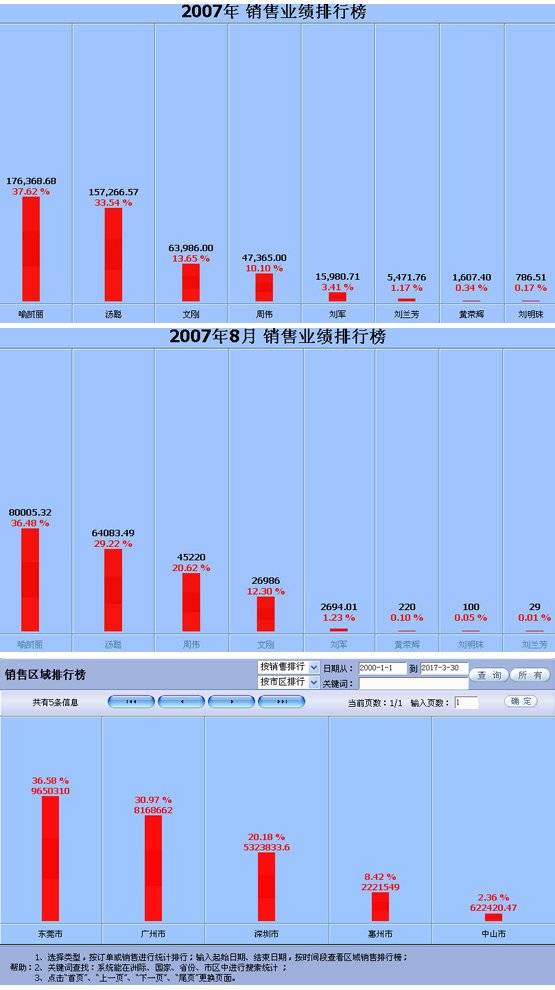
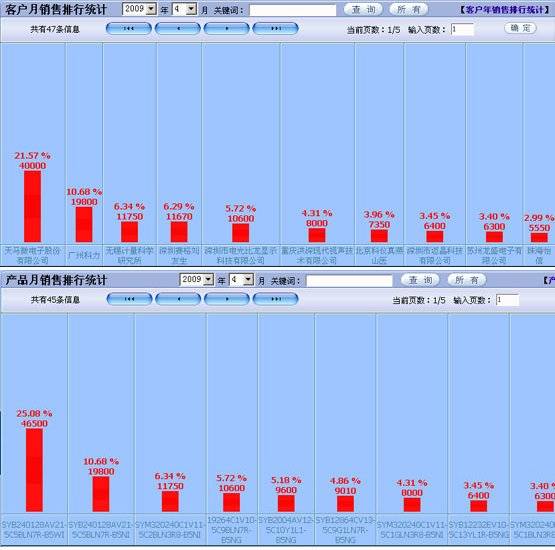
The system involves customer tracking, customer management, quotations, sample management, customer visits, performance development and scheduling, immediate knowledge of sales and sales personnel performance, immediate knowledge of the company's expected sales objectives and completion, and better motivation to mobilize sales staff while adjusting sales strategies to avoid loss of customers as a result of the movement of personnel. It also provides customer analysis, product sales analysis and regional sales analysis, providing data references for customer maintenance and commodity pre-positioning。
4. Sales management
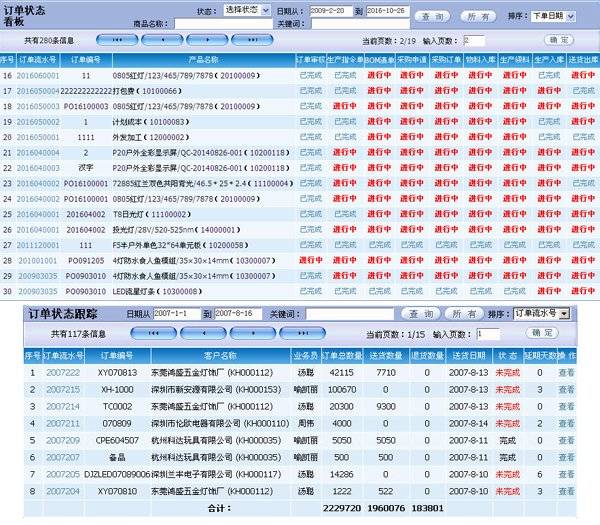
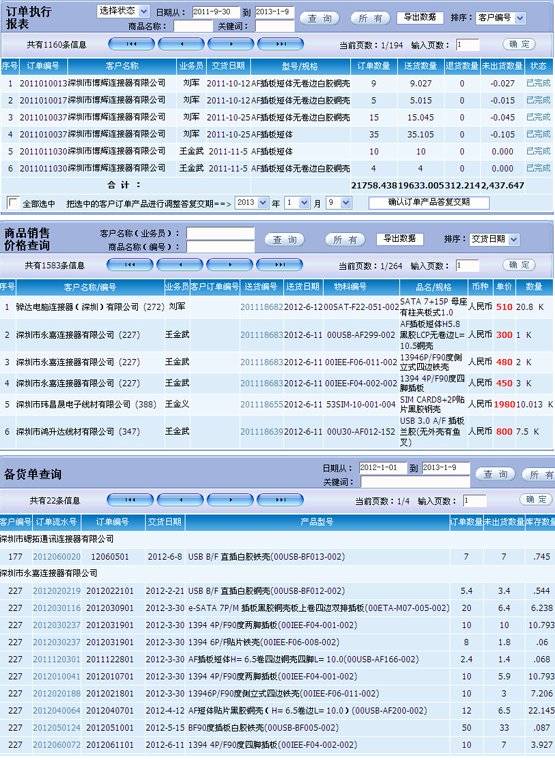
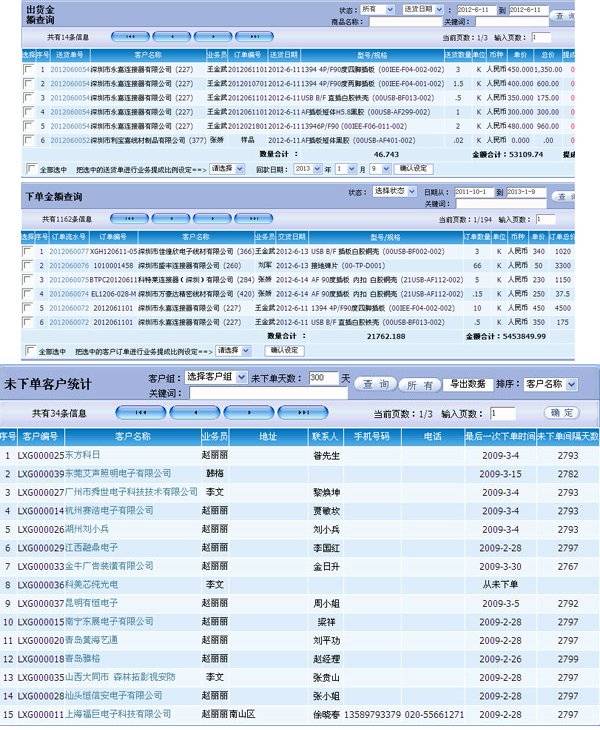
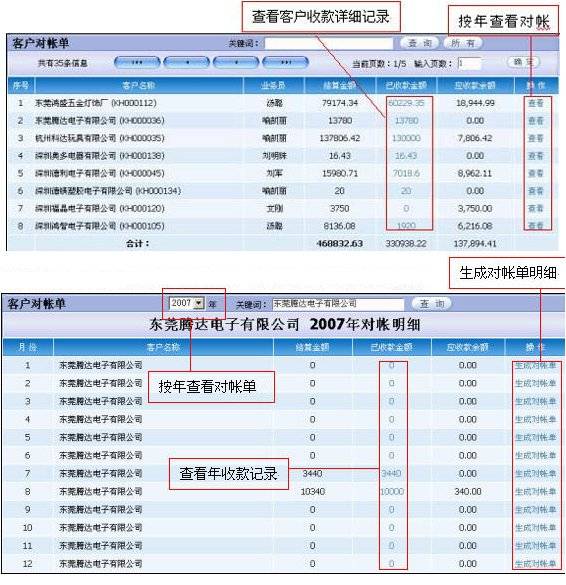
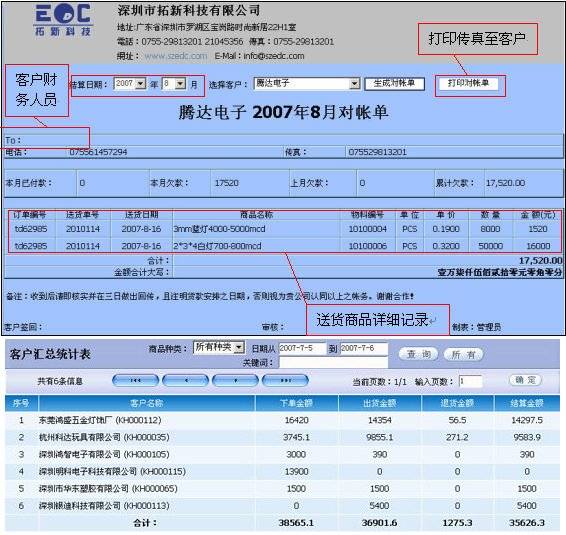
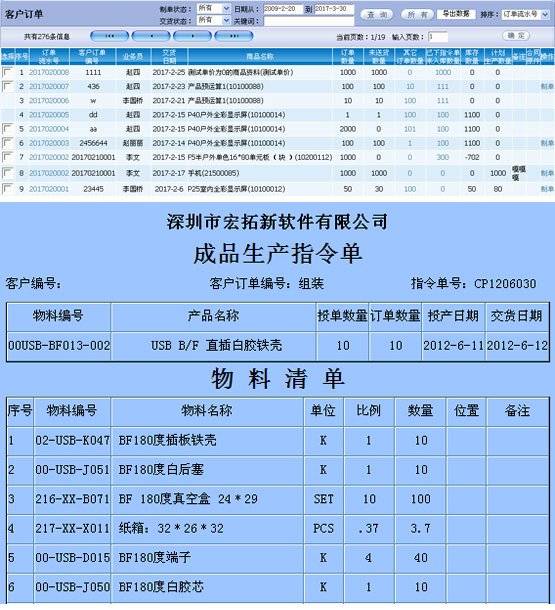
The system involves consistent follow-up of the entire sales chain with features such as order management, order tracking, order status boards, billing queries, billing money queries, sales price zone setting, real-time monitoring to control the execution status of sales orders and departmental progress and the completion of delivery plans to increase the efficiency of order execution, and keeping control of customer settlement amounts and recovery of goods。
5. Procurement management
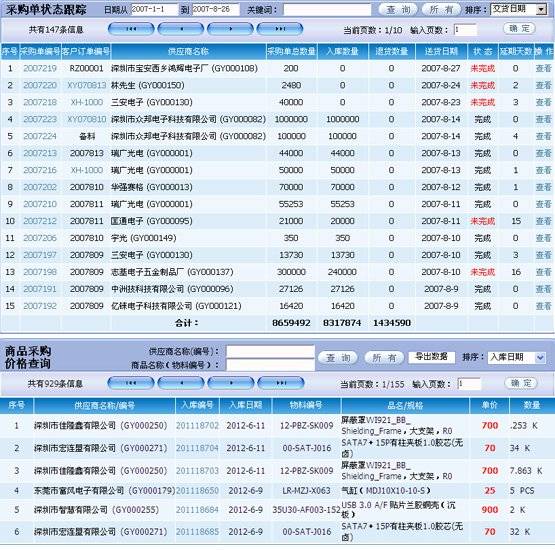
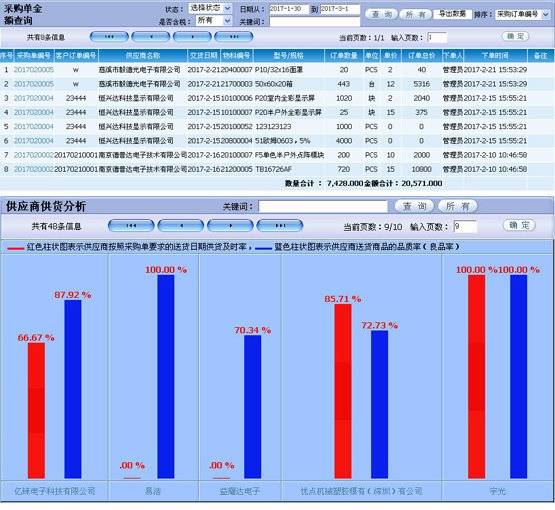
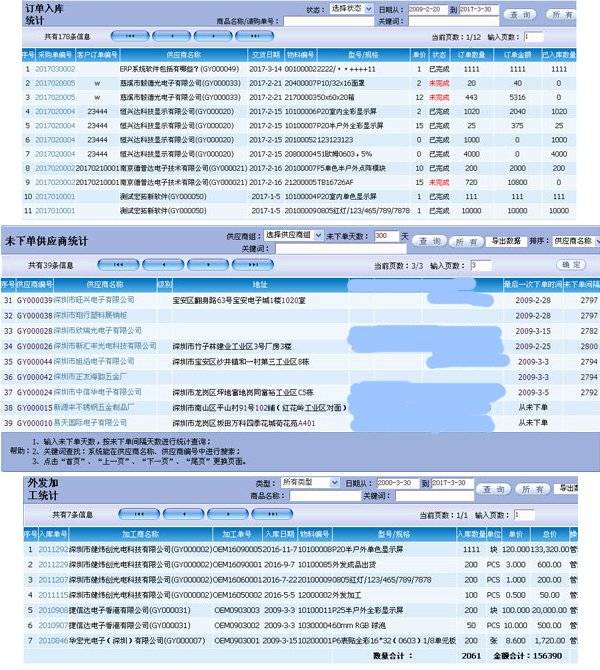
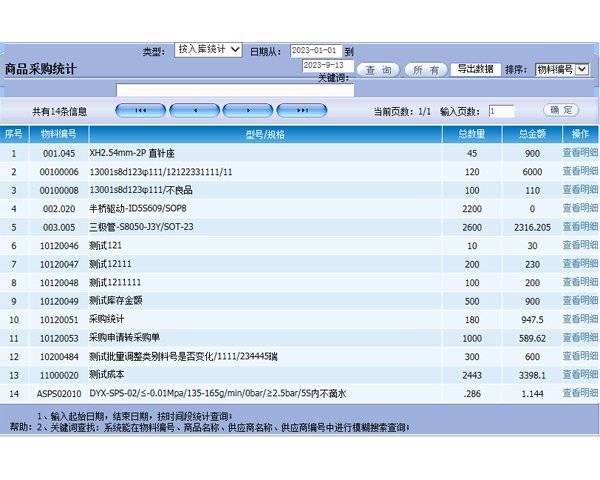
The system covers functions such as procurement requests, requests for quotations, purchase orders, tracking of purchase orders, procurement cost queries and procurement cost controls. Operations are based on fast-flowing of requisitions to purchase orders and tracking of the entire procurement process, monitoring and control of the execution of purchase orders, control of reasonable material reserves, better understanding of suppliers, effective reduction of procurement errors, more efficient procurement of materials and lower procurement costs。
6. Production management
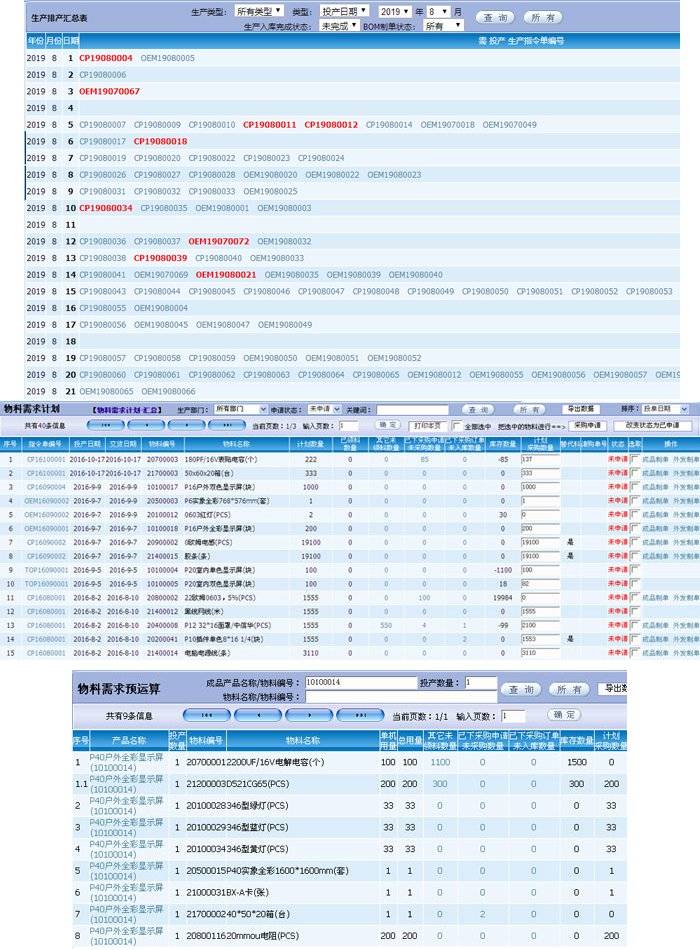
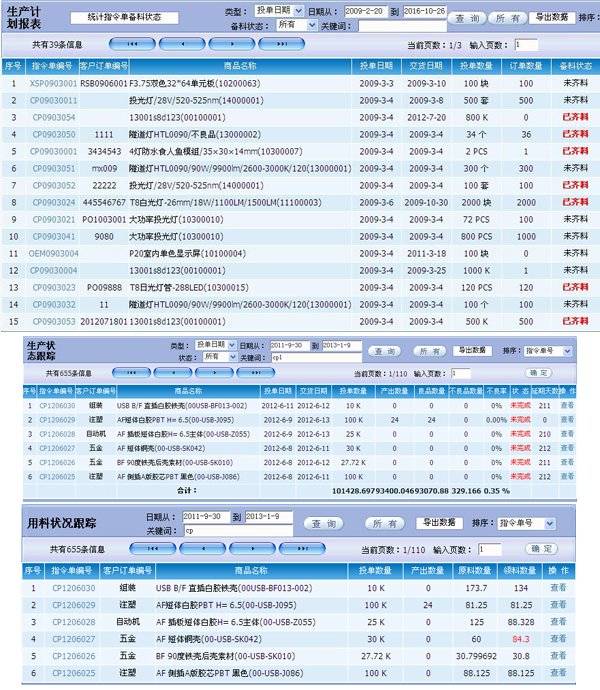
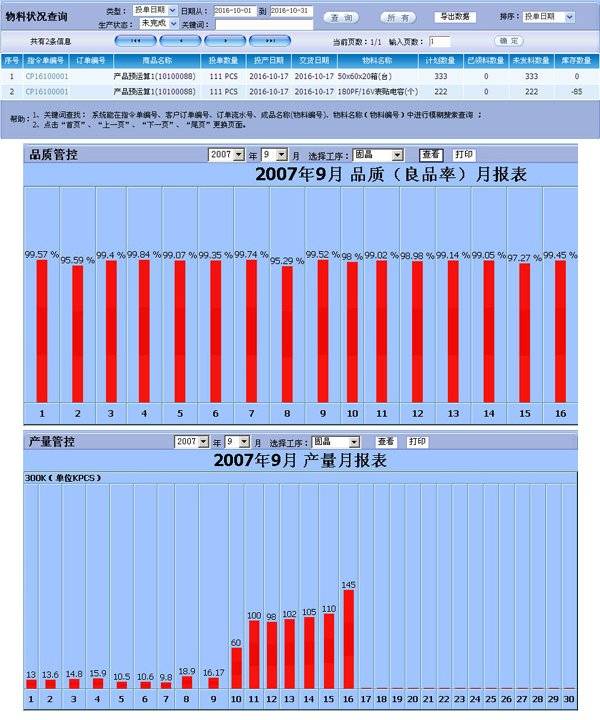
The system involves such functions as process setting, production instructions for finished products, external processing instructions, material demand plans, production line status tracking, production status tracking, material status tracking (monitoring the cost of material production); quick generation of production instructions for products, as well as external instructions and automatic delivery of boms, and production of mrp calculations for automatic calculation of all material data transfer requests and receipt forms. Through the monitoring of the entire production process (specifically to the process progress track), enterprises are effectively helped to address production problems such as long working hours, loss of materials, high underperformance rates, and high production levels。
7. Engineering management
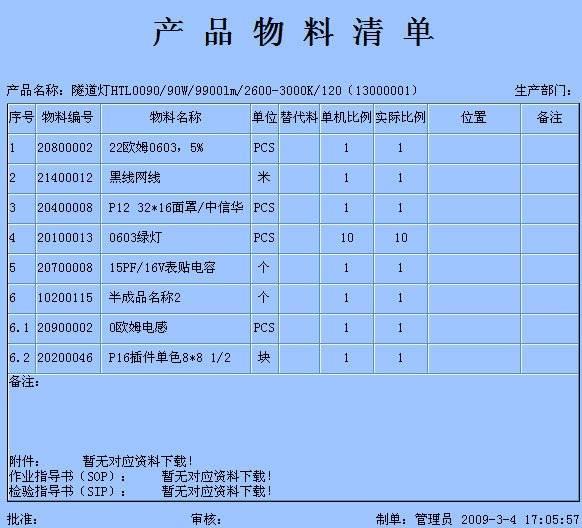
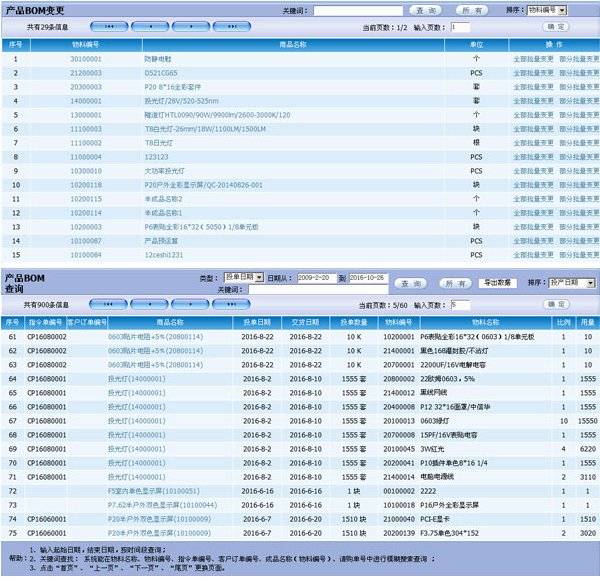
The system involves engineering bills, sample records, bom rapid production (providing excel import bom and reproduction functions) and maintenance, bom queries and counter-inquiries. Ensure that the product is correctly designed。
Viii. Quality management
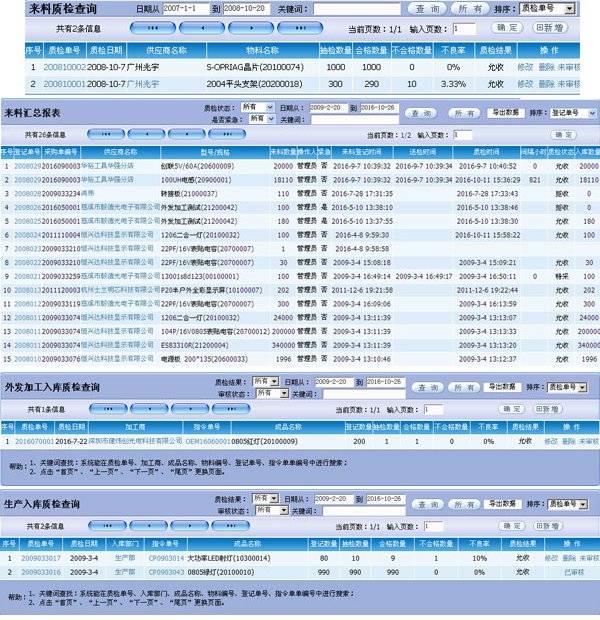
The system involves functions such as material registration, material inspection, inventory inspection, export inspection and inspection queries. The red emergency alert increases the speed at which departments reflect and ensures the timeliness of incoming inspection and the reliability of the quality of the products produced from the inventory。
9. Warehouse management
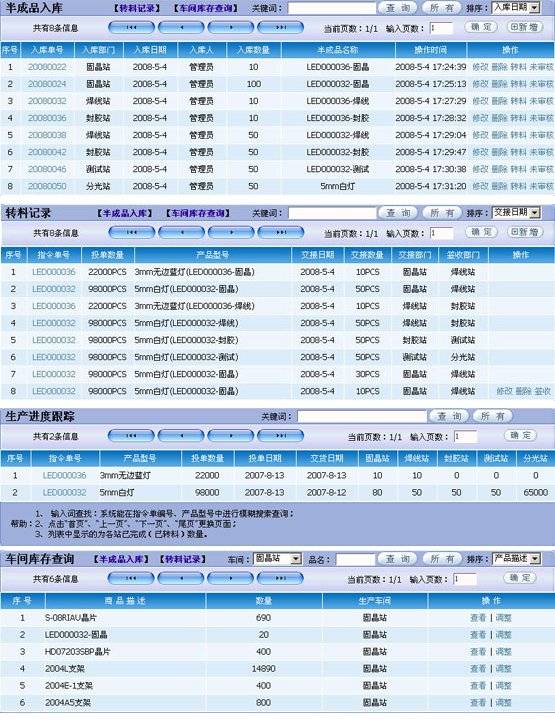
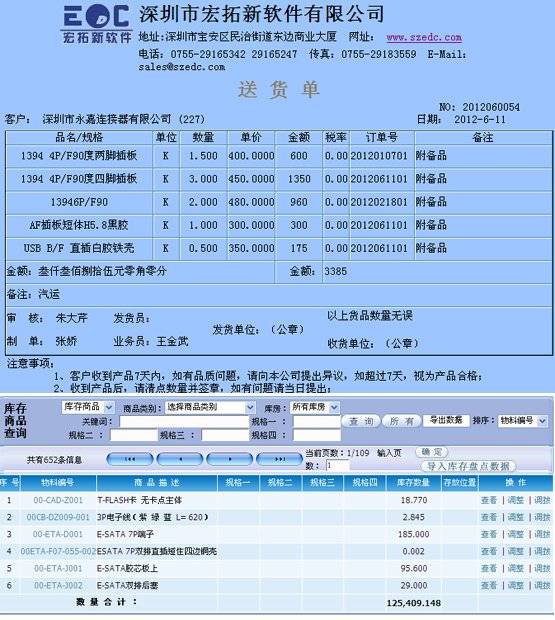
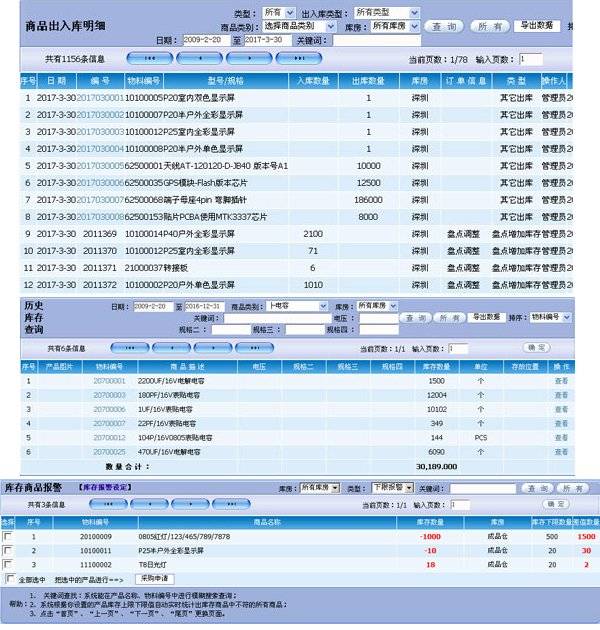
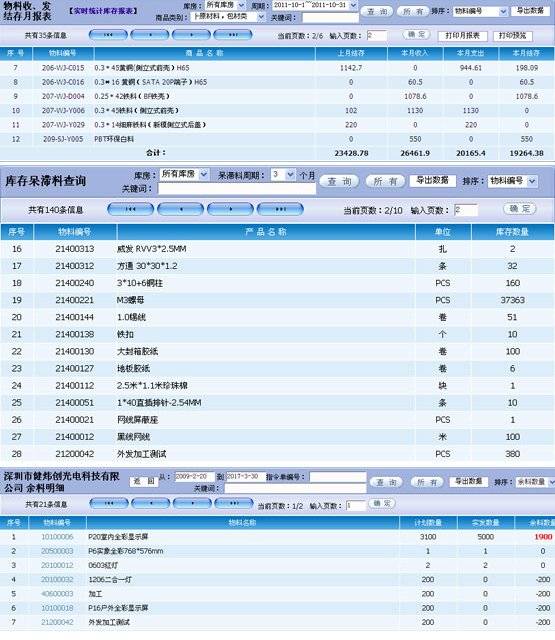
Supporting the operations of the warehouse managers of enterprises with regard to the warehousing, exit, redeployment and inventory of inventory items, queries (photo-storage combination). Real-time processing of various access documents, keeping up with inventory information, timely analysis of stock structure and quantity, effective avoidance of material shortages, overstocks, delays and backlogs, reduction of inventory stocks, reduction of the use of inventory funds and acceleration of financial flows。
Financial management
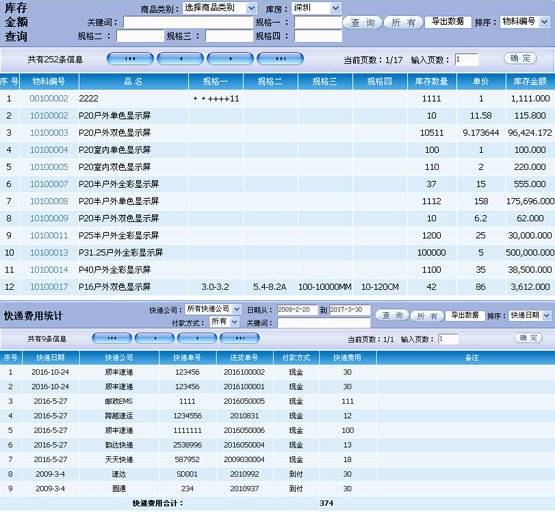
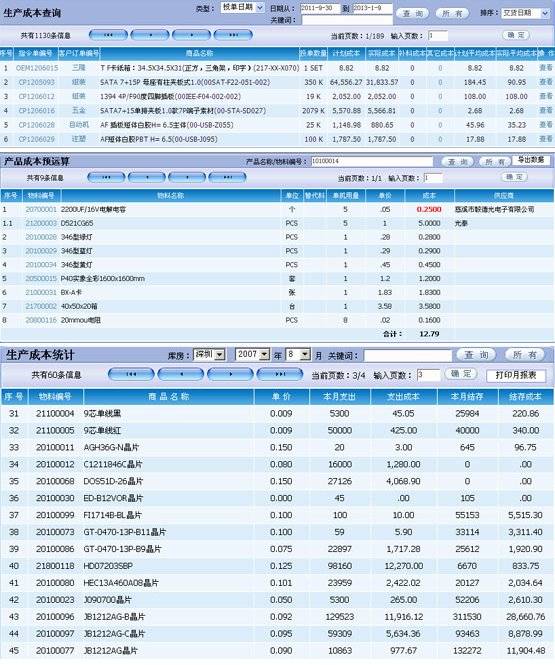
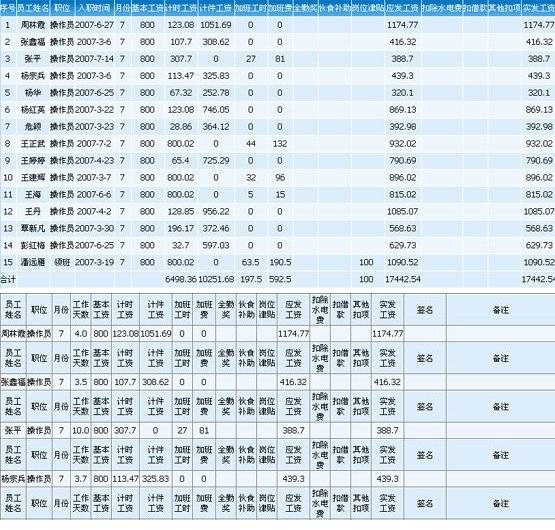
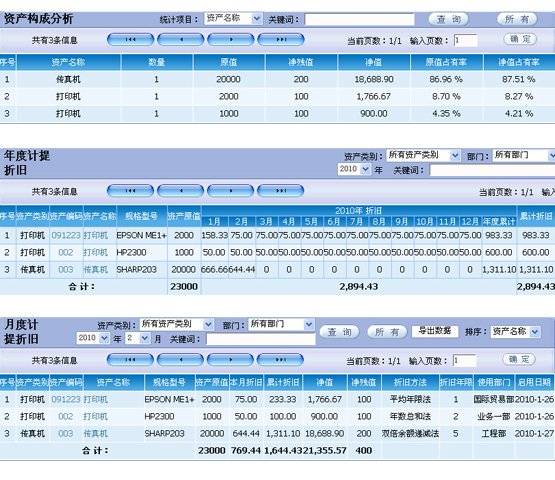
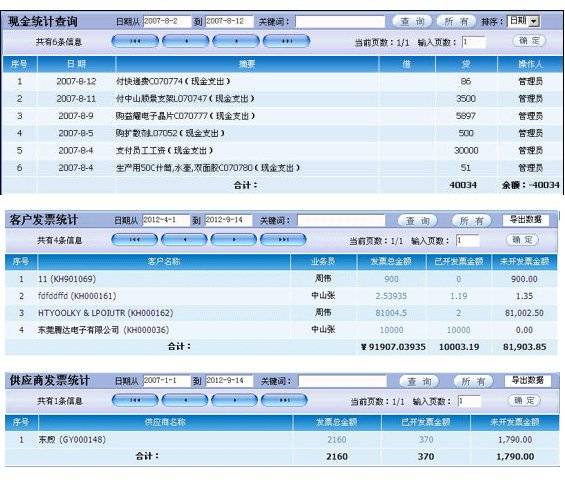
The system covers such functions as payroll management, liquidity, fixed assets, receivables, accounts payable, customer collections, customer reconciliations, vendor reconciliations, customer settlements, vendor settlements, inventory amount queries, cost queries, and cost statistics. The uncollected, unpaid amounts, and the cost of production of the enterprise's products are reminded in red fonts to find the enterprise's profit added points more accurately。
11. System management
The system involves the establishment and maintenance of all initialized data, such as commodity information, customer information, supplier information, menu privileges, user access rights management, and the establishment and disablement of accounts. The automated backup of system data helps enterprise system managers to control system-wide resource data。
The erp system is functioning effectively: it will help enterprises improve their competitiveness, reduce production costs, increase efficiency and reduce waste of resources while standardizing work processes. (c) improve the level of management of enterprises so that they have a greater competitive advantage in competing with the industry. This is reflected in the following:
Achieving uniform management of financial flows, logistics and information flows addresses such shortcomings as poor internal access to information and management difficulties。
2. Effective control of raw materials, inventory of products and finished products and improvement of stock turnover。
3. Increasing the rate of timely delivery of goods by enterprises and reducing the miscalculation of shipments have significantly increased the efficiency and credibility of enterprises。
4. The availability of timely and accurate information on production plans and understanding of production issues has reduced procurement time and saved procurement costs。
Production stoppages are significantly reduced. The increased transparency of material requirements and planned improvements to enable timely and accurate arrival of materials on time at a more reasonable rate has resulted in a significant reduction in the cut-off on production lines。
Production costs have been reduced by a range of human, financial and material effects, including lower inventory costs, labour savings and savings in procurement costs。
7. Managing data acquisition to help staff to fulfil their mandates quickly improves efficiency while improving productivity。
8. Automation of cost accounting, real-time statement statistics and month-end closure of accounts to ensure, accurate and rapid availability of cost data and to keep abreast of financial developments。
More famous erp management systems, more famous erp management software。