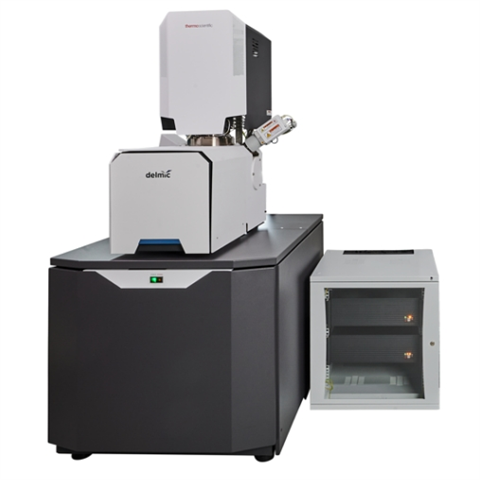
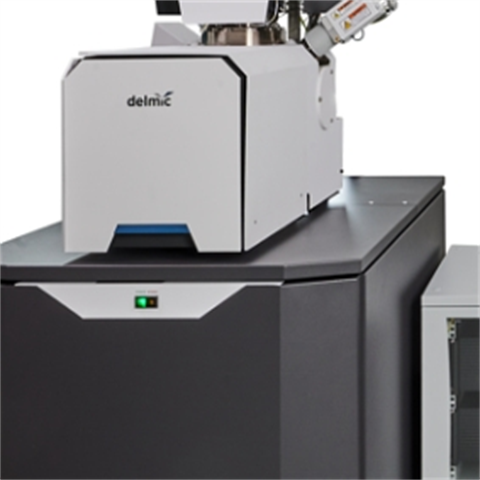
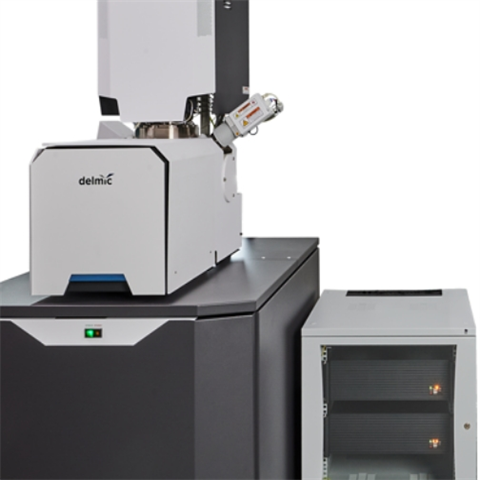
The fast-em is an extremely fast, automated, multi-mixed electronic microscope designed to make complex and large micro-observation projects simple and efficient. Fast-em has automated data acquisition functions, so this high-throughput system is well suited for imaging large or multiple samples for quantitative analysis. The system provides a strong micro-imaging capability, while greatly simplifying workflows to enable users to shift the focus from microscope operations to truly high-value data disaggregation。
Fast-em can be used to explore the analysis of cell structures, neural circuit networks and biomaterials in life science. It's very helpful for large-scale 3d structure resolution and mass 2d imaging. And as a general tool, it can significantly speed up other routine microimages on a daily basis。
64 electron microimages
To achieve high flux imaging, fast-em uses 64 independent electronic beams. These beams scan the samples in parallel and record light signals using high-speed, sensitive silicon-photo-multiplier (sipm) arrays. It's a way of significantly increasing the speed of data collection
Reduction of stay time
The fast-em system is based on the scanning of the transient electron microscope (stem), where samples are placed directly on the blinking screen, using stem mode for imaging. The scintillants produce local diaphragms at the time of the electronic impact through the sample. The polar glowing, the detection of light from high-speed, sensitive sipm arrays, and the processing of it to get the final greyscale image. Even in the short to 400 ns of time, a unique detection system can get an excellent signal noise ratio。
Automated software
You can easily create and manage the fast-em imaging project using powerful automated and humanized raw software。
The application of reliable microsystems and powerful automated software, which operators no longer need to take care of the mirror babysitting, is self-sustaining and reliable。
Multiple samples loaded at once
In the mirror workflow, the main time consumed was the replacement of samples. This means that the operator has to constantly interrupt the imaging process, replace the sample, wait for the vacuum to reach working status, and cause too much waiting time. Fast-em allows up to nine base plates to be loaded at the same time, each of which can accommodate dozens or even hundreds of super thin slices. A single disguise, easy to achieve 72 hours of continuous imaging。