

1. Material selection:
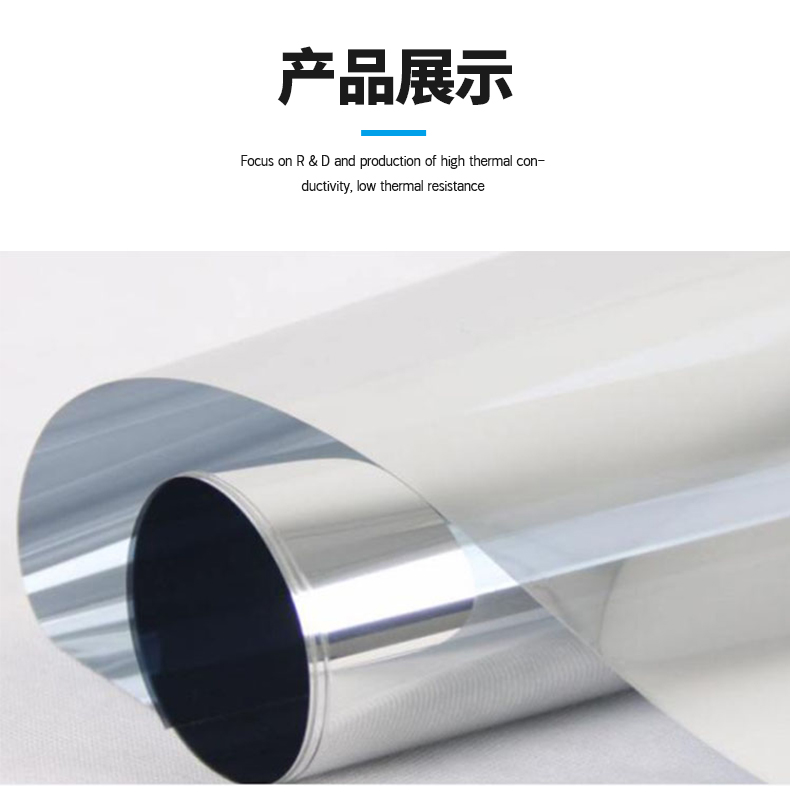
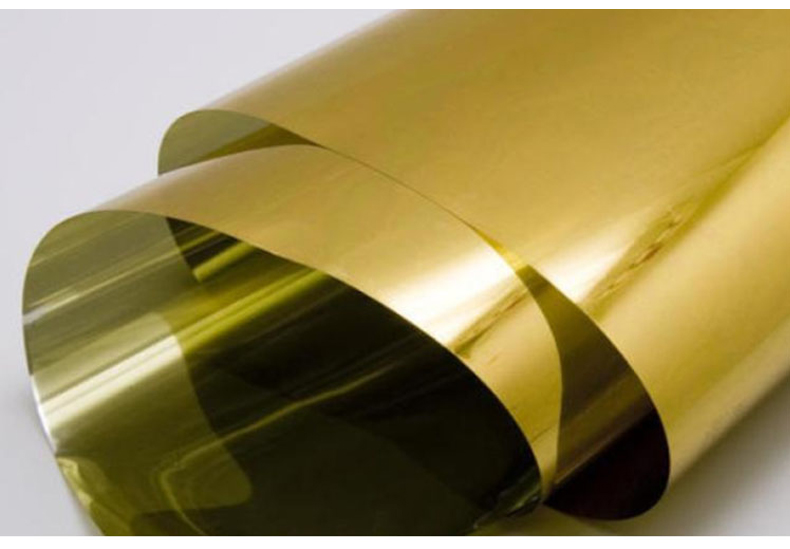
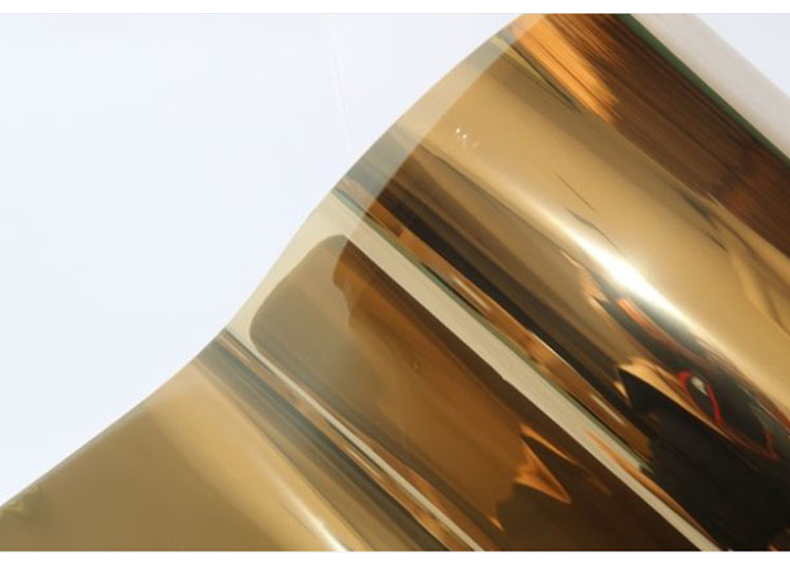
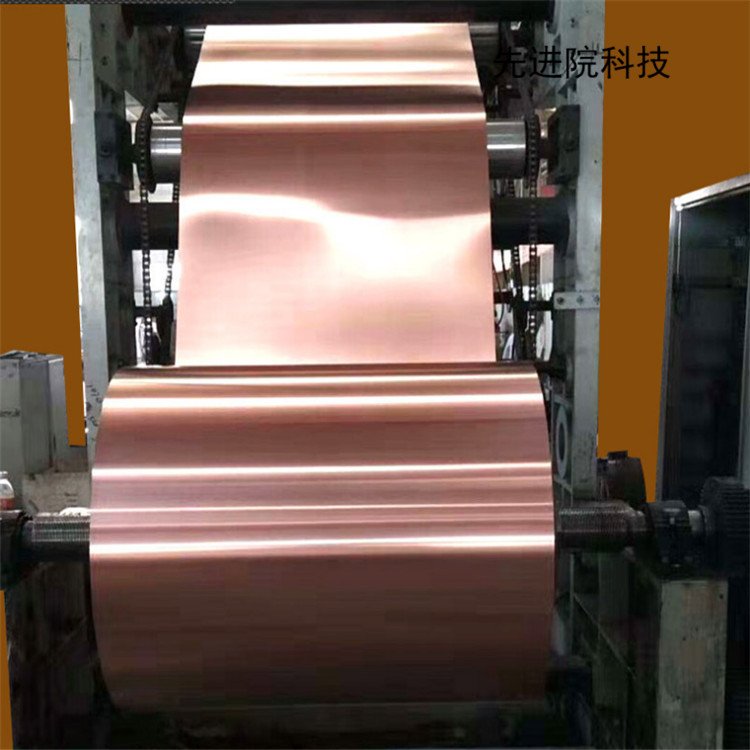
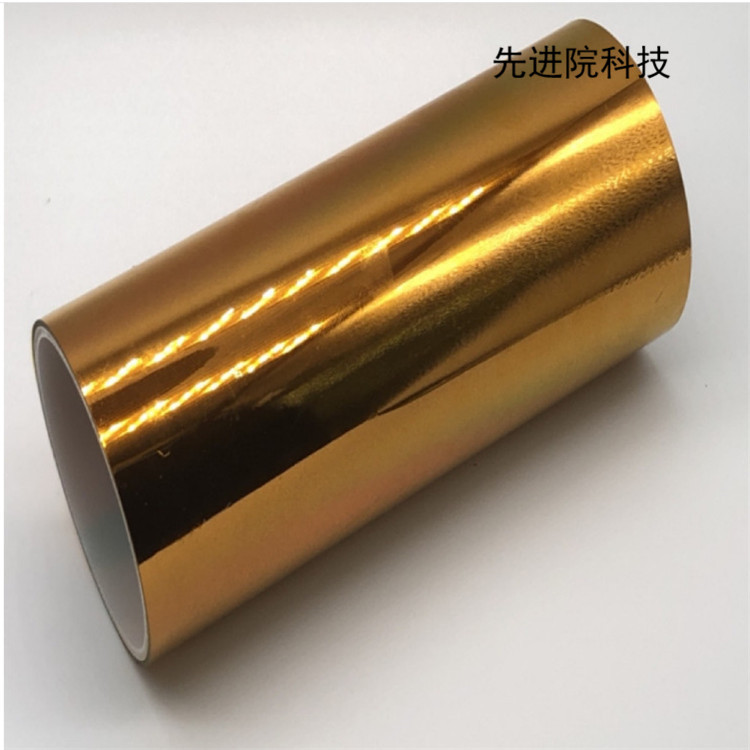
Pet as a base is a common option with good mechanical performance, chemical stability and transparency. For different applications, gold-plating membranes can use metal materials such as gold, silver and copper。
2. Preparation process:
The preparation of pet coated gold membranes consists mainly of vacuum evaporation and magnetic spattering. Vacuum evaporation is the heating of metal materials to their evaporation temperature and the deposition of metal vapour on the surface of pet in a vacuum environment. Magnetic-controlled splattering is the placement of metal material targets in a vacuum chamber and the discharge of metallic film into the surface of pet through ion bombardment. Specific preparation processes can be adapted to the requirements of the manufacturer。
3. Membrane thickness and reflectivity:
For pet-plated gold membrane customization, the common requirement is to adjust the thickness and reflectivity of the metallic film. By controlling the time and conditions of evaporation or spatter, metallic film can reach different thickness levels. The reflection rate can be achieved by controlling the thickness of the metallic membrane, which is generally higher in the gold membrane。
4. Application areas:
The custom pet gold plating is widely used in areas such as electronics, optical instruments, displays and decorative materials. For example, pet gold plating can be applied to electronic touch screens to increase tactile sensitivity and resistance to grinding; it can also be applied to optical instruments to improve optical permeability and resilience。