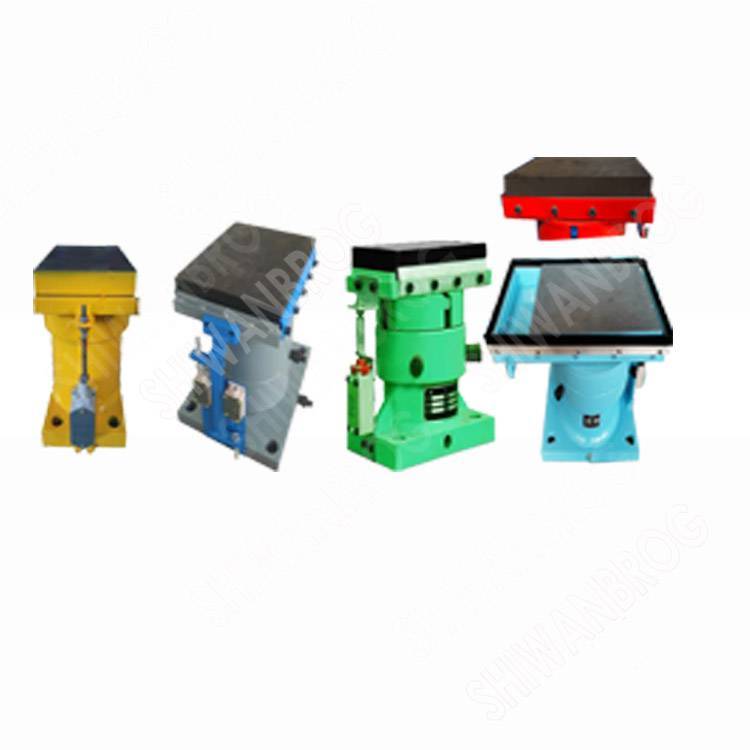
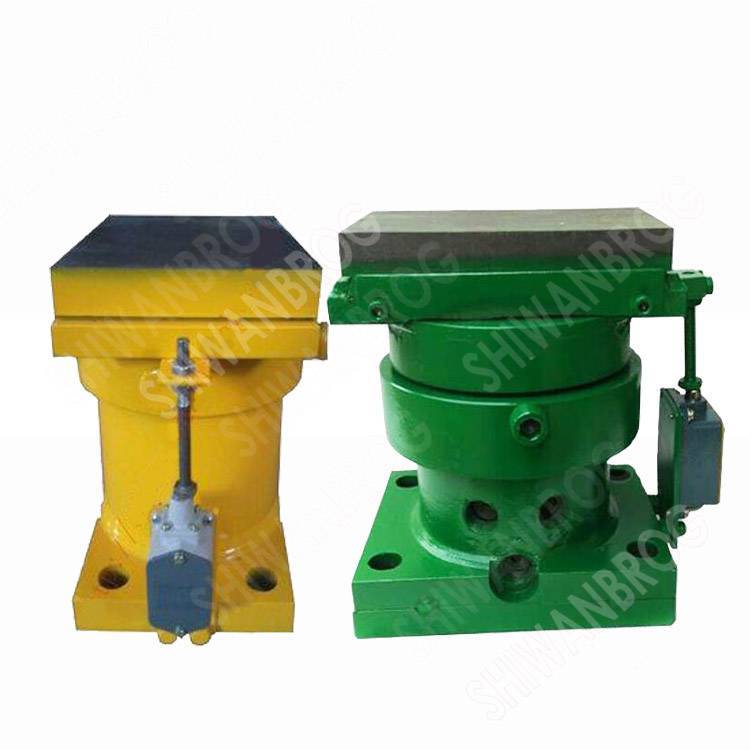
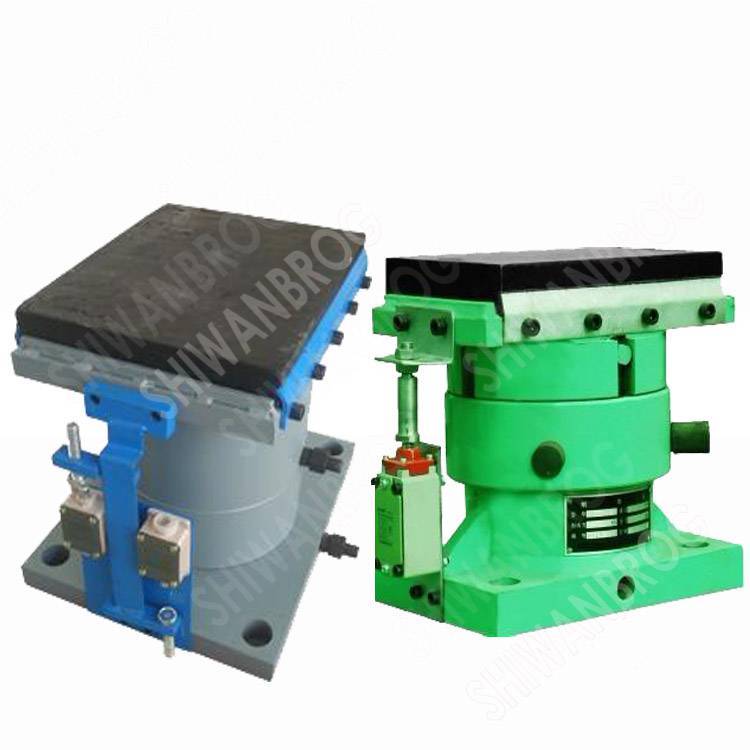
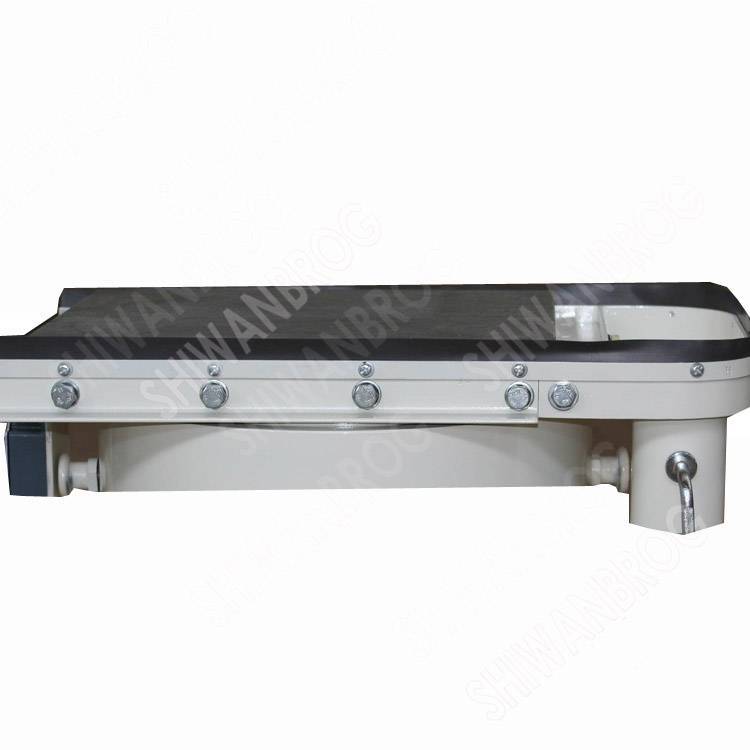
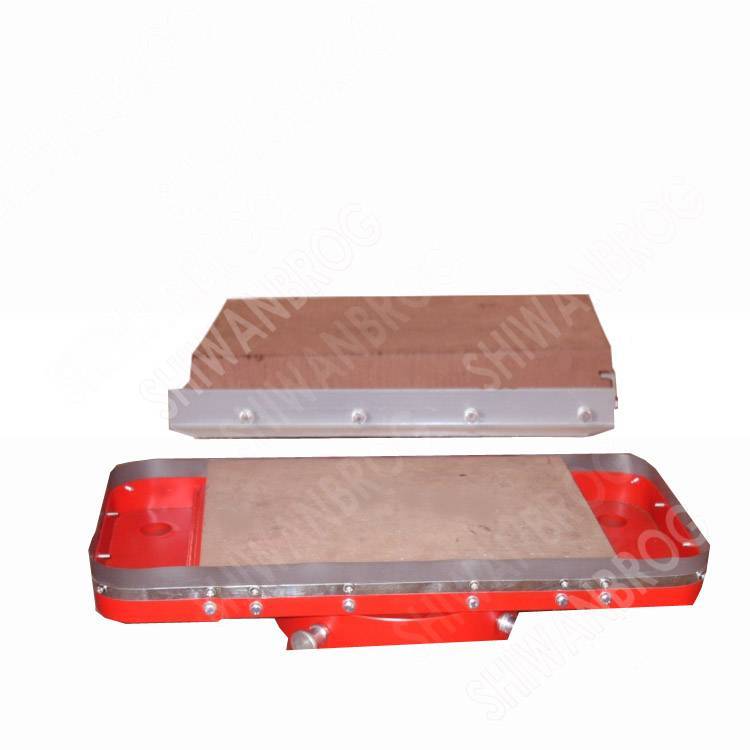
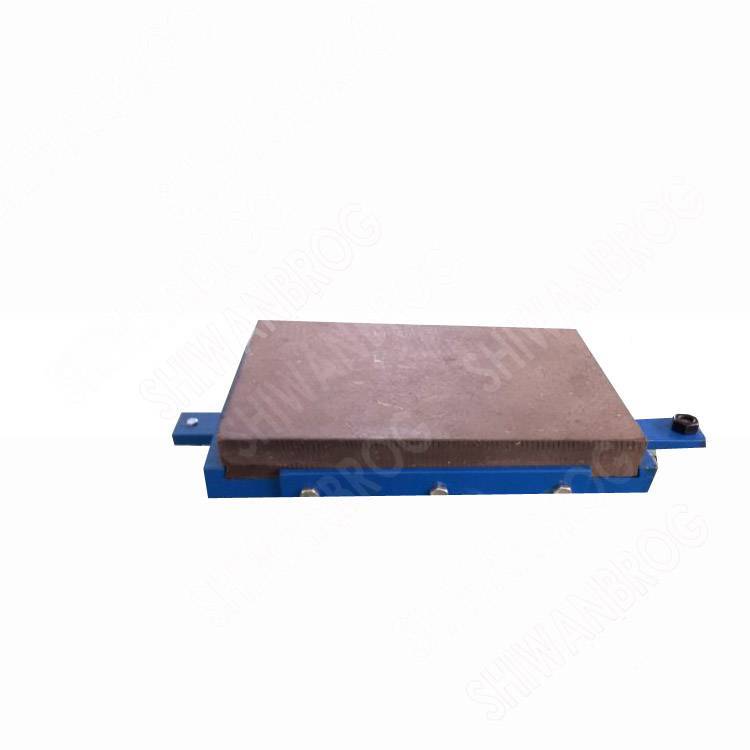
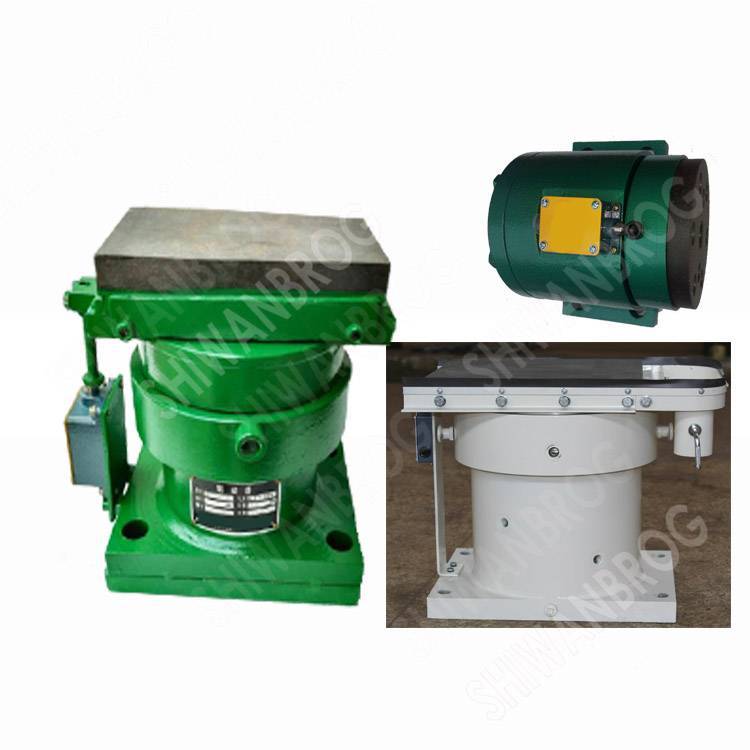
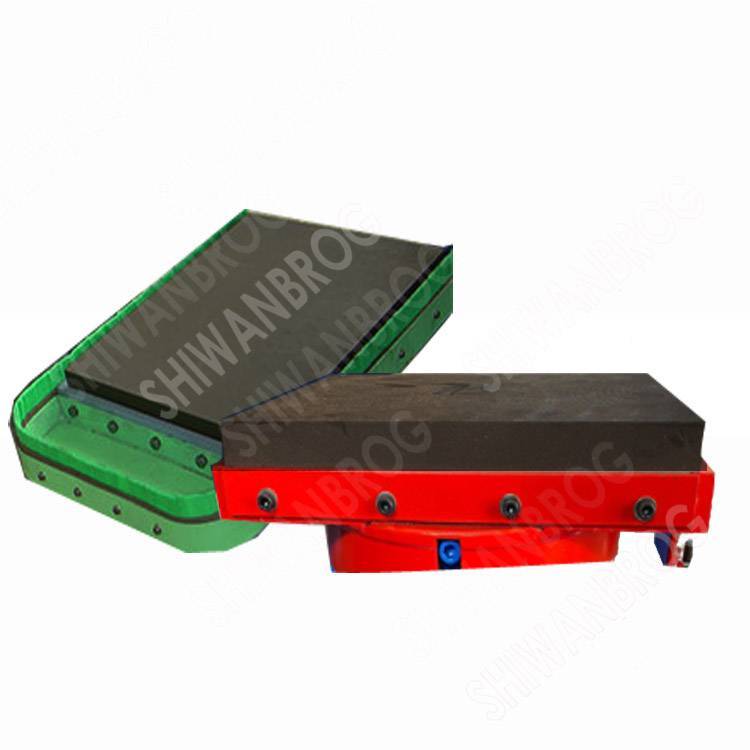
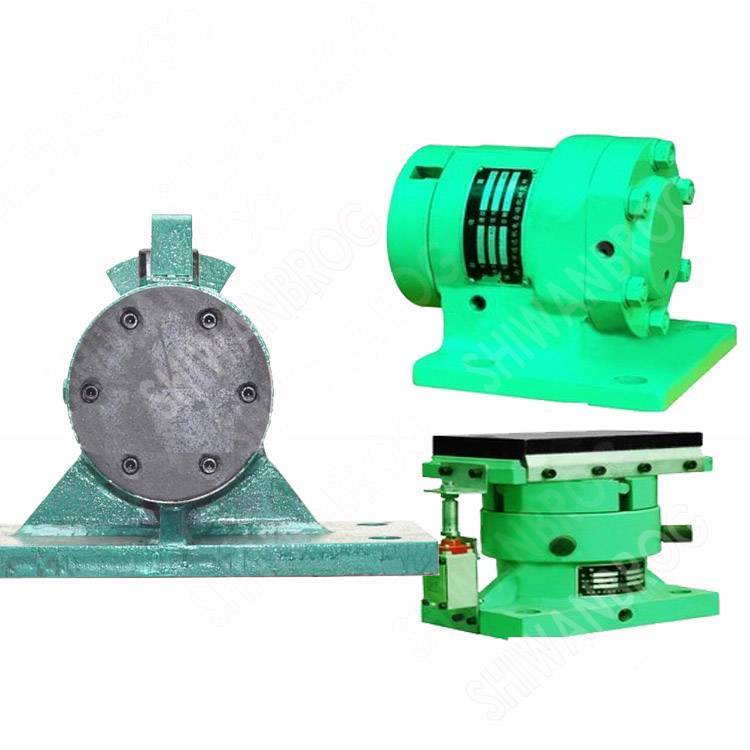
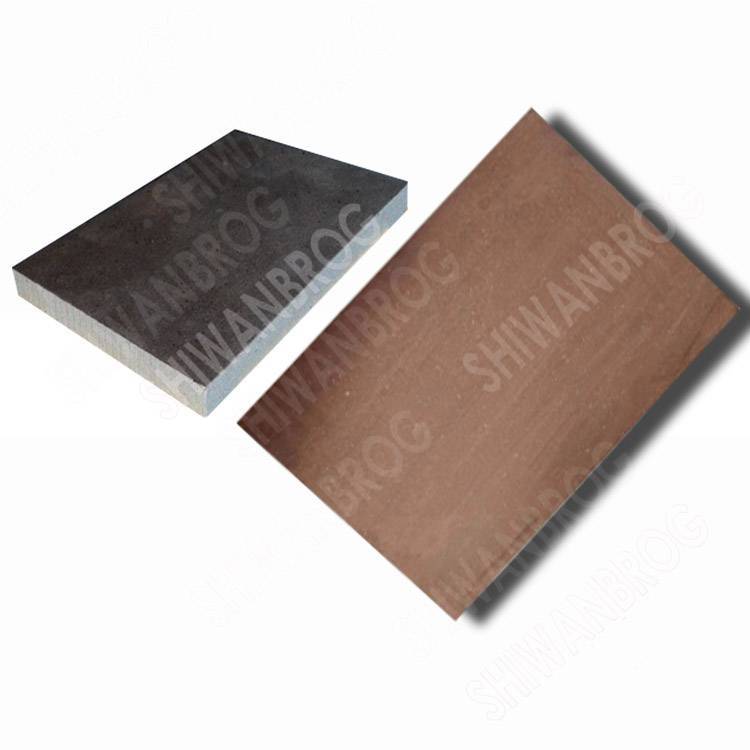
Water turbines, generators, windgates, brakes. Board
Multiple modified composites —Quality and resilience- open model

1. Wheel power mechanism kinetic system; english name: brakingsystemofhydrogenerator; definition 1: devices that have been partially deactivated by external force in order to shut down the tanker generator unit。
2.Mechanical brakes, electrical brakes and hybrid brakes (electric brakes and mechanical brakes) are among the mechanical brakes that are part of the traditional brakes of the tanker's generator sets, which are applied to all types of hydrogens, which consist mainly of brakes (commonly known as wind gates), piped systems and their control elements. ... In the course of the overhauling of the brakes of the various hydrodynamics, the brakes are found to be irreconcilable, wind, oil spills from the brakes, wind leaks, brake pads and brake ring wears, which cause serious dust contamination, the modification of the ring or the creation of cracks. ... Serious safety hazards are placed in the safe and stable operation of the crew。

3. The electrical brakes of the water turbine generators are based on the principle that when the conductor leaves are completely shut, the export switch and the magnetic switch are disconnected, the turn-off is reduced to a given value (less than 30 per cent of the nominal speed) and the wiring is added to the electrical current in the opposite order, at which point the generator is in fact electrically driven, but the rotor is in the opposite direction to achieve the purpose of rapid brake。
4. The main function of the windlock of the water tanker generator unit at the hydroelectric plant is to bring the brakes down at a rate of 15 per cent at the right or the right rate of rotation, to make the crew fast static, to prevent the inertity of the aircraft and the burning of the axles, or to place the rotor section on top of the engine thrusts at the full level of the oil film, either after the crew has been repaired or after long periods of standby. However, if the aircraft were to be invested at high speed, there would be serious consequences: if the rotor brakes were to break because of local heat, the debris would damage the fixed wire bar; and if the crew were to be rotated partly by the input of the windlock, it would be subjected to a sudden and large mechanical resistance, causing damage to the rotor section and the associated axle, which would have caused accidents such as an aircraft fire。