


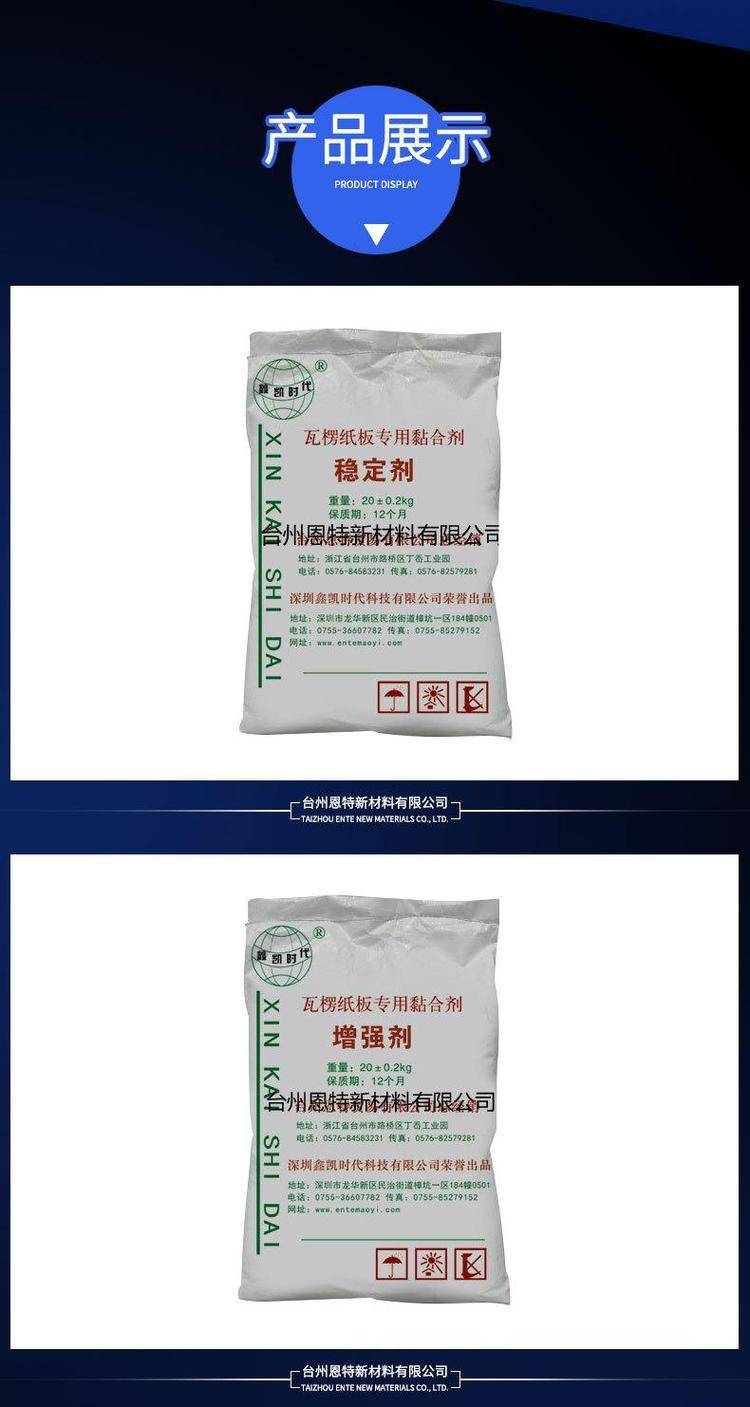
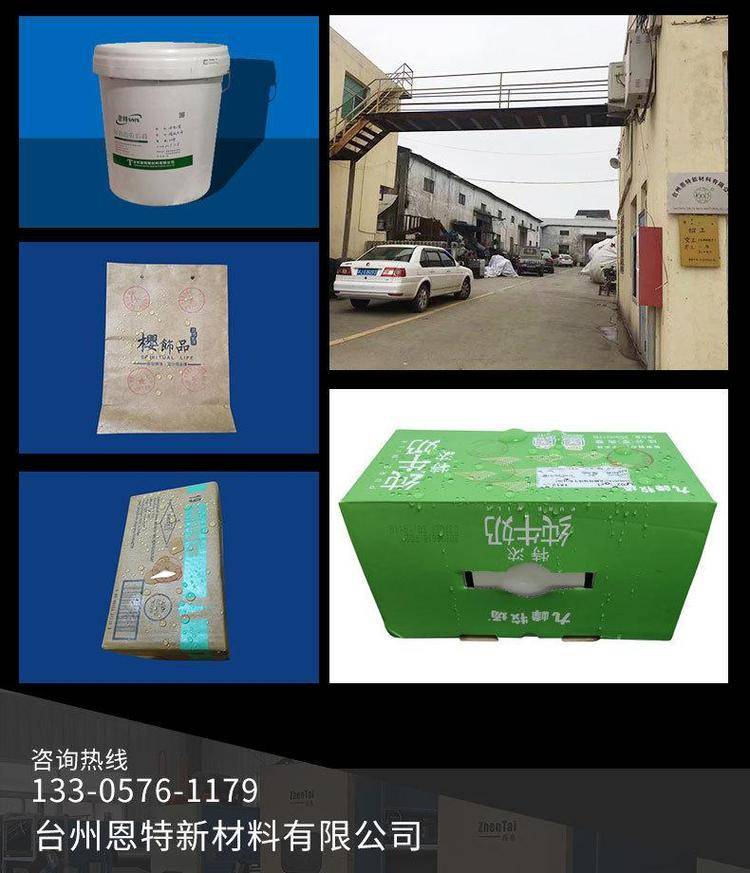
Low temperature gel
I. Product characteristics
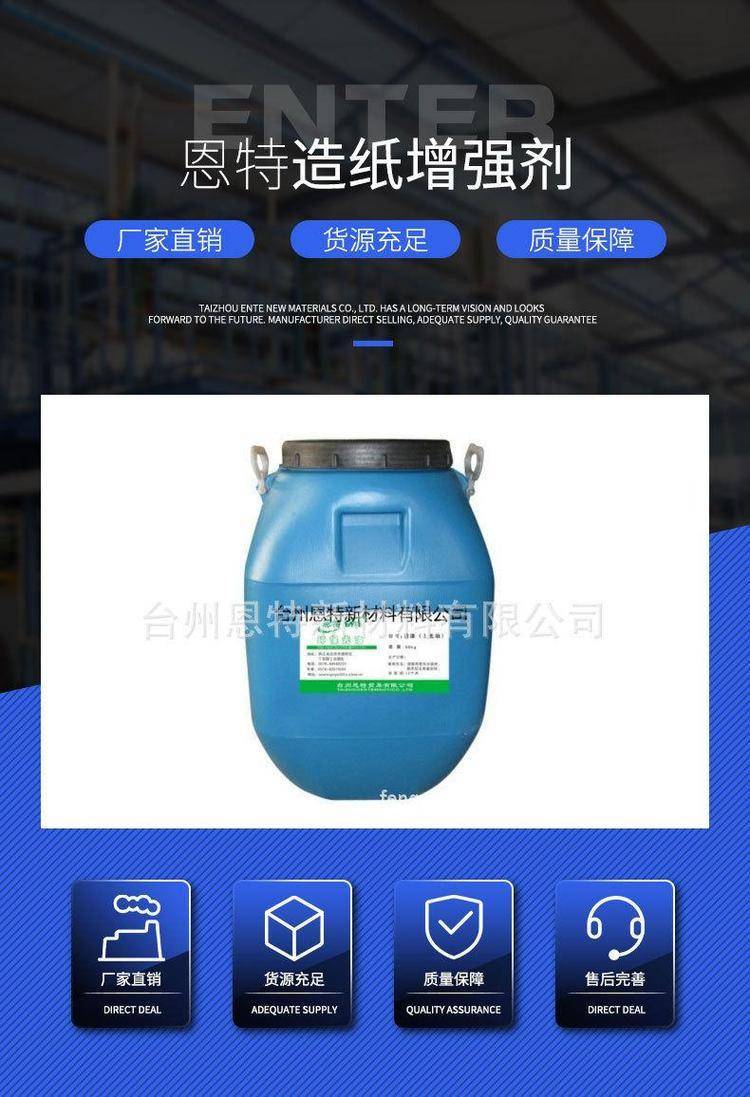
The starch is resistant to water-proof low-temperature glue and itself contains high-molecular resin powder and adhesive. It is a chemically modified form of synthetic starch resistant to tide-proof low-temperature glue, which is widely used on cardboard boards. The general starch additive does not have the dual effect of waterproofing and of meeting the binding strength required for high-speed wafers, making it difficult for the inner layer, the middle layer, to bind well. However, as a high-molecule glucose low-temperature glue, which is inherent to high viscosity and water resistance, the performances and effects can be achieved by adding low-temperature powder without changing your previous slurry systems and processes. The introduction of low-temperature powder allows the cardboard to obtain primary adhesive force before entering the oven. It can increase speeds by 10 to 40 per cent on an original basis
When the cryogenic glue is added to the wafer, it helps water to be removed from the glue, which, once used on paper, occurs as follows:
1. Humidized paper
2. Adhesive leaching into paper
When the paper enters the thermal plate, the glue will have the following effects:
1) increase in the temperature of glue
2) a sudden increase in the concentration of glue is due to the start of the pasta。
3) the longer the paper is in the hotboard, the more the starch will be pasted, when many water molecules are present in the paste of the starch molecule, but to get a hard cardboard, most moisture will have to be extracted。
4) the water molecules in the starch molecules need to use the heat of the heat plate, but cryogenic glue allows the adhesive water in the glue to evaporate from the cardboard, thereby reducing the time of the cardboard in the heatboard and increasing the speed of the car。
In sum, the viscosity of cryogenic glue itself and the characteristics that make the adhesive dry have resulted in a significant reduction in the speed and upper volume of the flow line. Low-temperature low-pressure starch adhesive is a high-molecular adhesive adhesive used in waffle sheet production lines (slurry paste). The adhesive can reduce the temperature and air pressure of the wiring, and can improve product quality and production efficiency, with clear effects in terms of starch and steam usage, and is consistent with the thematic trends and cost advantages of energy-saving reductions today。
Ii. Product performance:
1. Increasing the stability of slurry paste viscosity:
The product produces glue (slurp paste), which is highly resistant to shearing and heat, and maintains the stability of the slurberry viscosity during recycling, and, more importantly, the high-molecular polymer molecules, which are particularly catalysts that stabilize the slush paste, alter the agent, which replaces hydroxyl radicals in the starch molecules and creates a stable intersection. The starch molecules are surrounded by modified molecules and have the capacity to resist heat and shear, thus maintaining the stability of viscosity during the cycle. This reduces or avoids defects in the cycle of starch molecules, which are reduced in size and viscosity as a result of cutting and heating, which result in poor adhesiveness and lower speed due to increased plasma levels, affecting productivity, etc. Increased adhesive strength, reduced waste, good membrane composition, mixed with low-temperature low-pressure additives and catalysts, provided the paste with a good initial adhesive capacity and basically addressed the problem of bonding of cattle cards, thereby increasing speed, production and waste reduction. Due to the slow and irreversible reaction of the modified molecules, this has helped to increase adhesive strength。
2. Improving cardboard resistance
Because of its low-temperature and low-pressure production properties, there is a high degree of protection of paper fibres against destruction, resulting in a significant increase in cardboard resistance. 3. Improving the water resistance of cardboard
The catalyst's multi-polymers are proximate and fibrous molecules whose adhesive and damp-resistant effects, as the starch molecule is replaced by hydroxyl radicals, are completely water-skinned when the cardboard is released from the production line and becomes fully reductive, forming a solid and damp-proof membrane。
4. Reduce the amount of paste on the machine
Pulp paste mixed with cryogenic low pressure additives and catalysts have excellent adhesive strength and moderate properties. It can help to lower the upper paste, which, as a result, provides excellent performances that are easy to dry, speed up and dry, smooth and hard. Related losses, such as poor adhesiveness and overslurries, can be effectively reduced。
5. Improving the quality and integrity of cardboard
The paste, which is combined by low-temperature pressure additives and catalysts, can reduce the softening and bending of the cardboard relatively due to good viscosity, reduced upper paste and high film strength。
6. Special functionality for cleaning pastors
A mixture of low-temperature low-pressure additives and catalysts makes it easier to clean and extend the useful life of a paste because of the fact that it is not adhesived and clogged in the linen of the paste because of the unique raw material of the catalyst。
7. Reducing the use of steam
A low-temperature low-pressure additive, which is produced with low-temperature pressure, reduces the use of steam, (in the case of equivalent materials and speeds), and if four and seven plates are not adhesively adhesived, it is possible to add steam sprays between the first and second heat panels, or to raise the pressure slightly to address the situation of poor adhesion。
8. Wide-ranging practical and operational
Because we have paste temperatures ranging from 58 to 60 degrees after the products are paste, so using our low-temperature low-pressure additives is both high-temperature and low-temperature, and it is very user-friendly and selective, a generic multi-purpose additive。
9. Paperboards produced with low-temperature low-pressure additives, with no distinction between the hardness of the hand and the high-temperature cardboard, and without the need for winding of the cardboard, and if they are to be loaded or printed immediately, we suggest that they should not exceed 10 seconds。
Iii. Usage methods:
The production of cardboards using low-temperature low-pressure adhesives does not require the adaptation of production equipment, nor can they be produced by the installation of hydrophobic systems or vapour-repressive devices (automated temperature control or manual control at the client's discretion), and glue (slurry paste) made from low-temperature low-pressure additives applies both to the traditional two-step legal paste and to the one-step legal paste, which is determined by the customer's actual circumstances and needs, and to the customer's need to change the existing glue-to-form ratio by replacing the old high-temperature additives with a low-temperature adhesive adhesive, with a full-automatic and hand-movement press, which is added slowly after the powder has been set, in the same order as the normal stabilizer (salterant)。
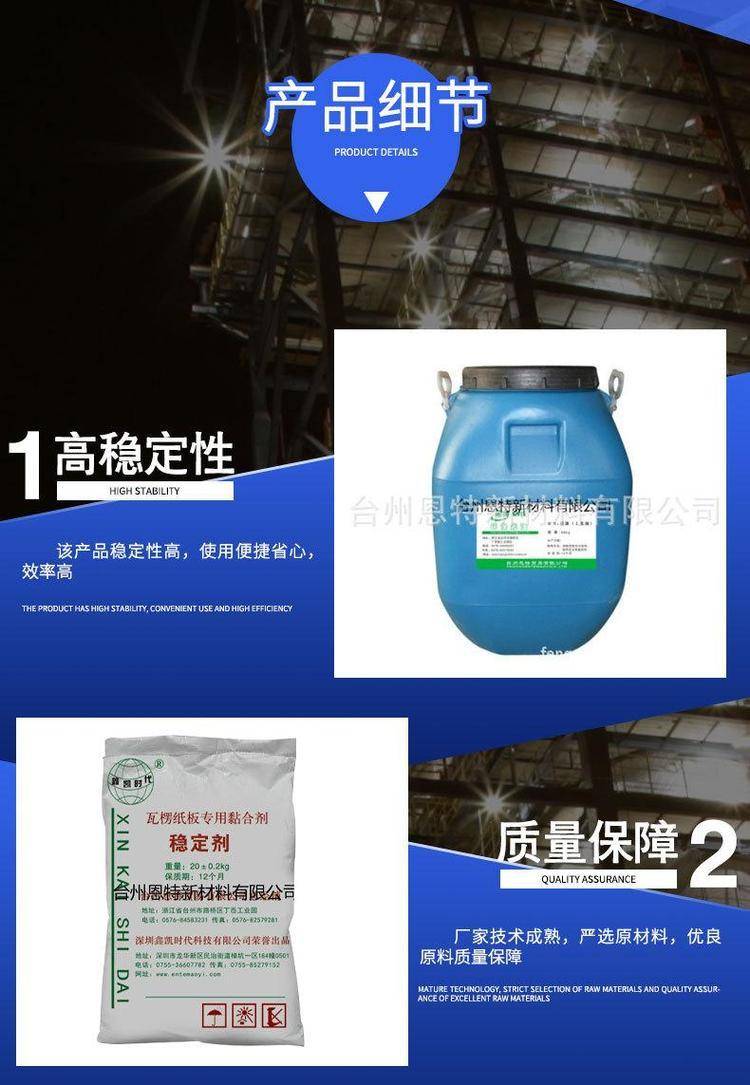
Iv. Product packaging: knitting bags 20 kg 25 kg
GoodQualityExpertiseExcellence