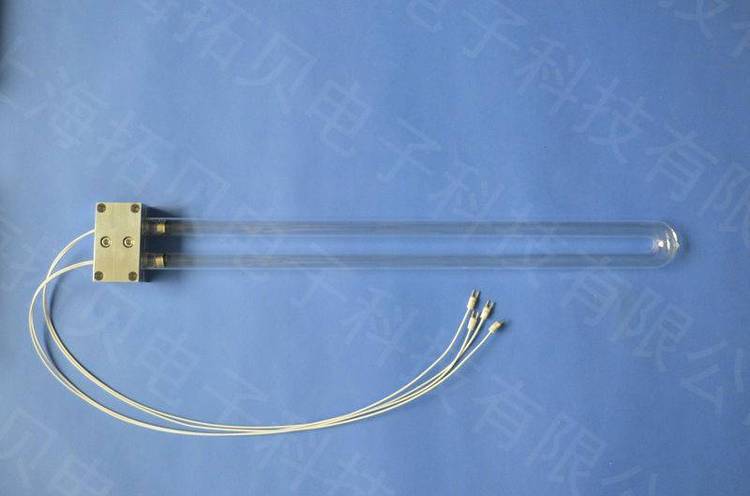
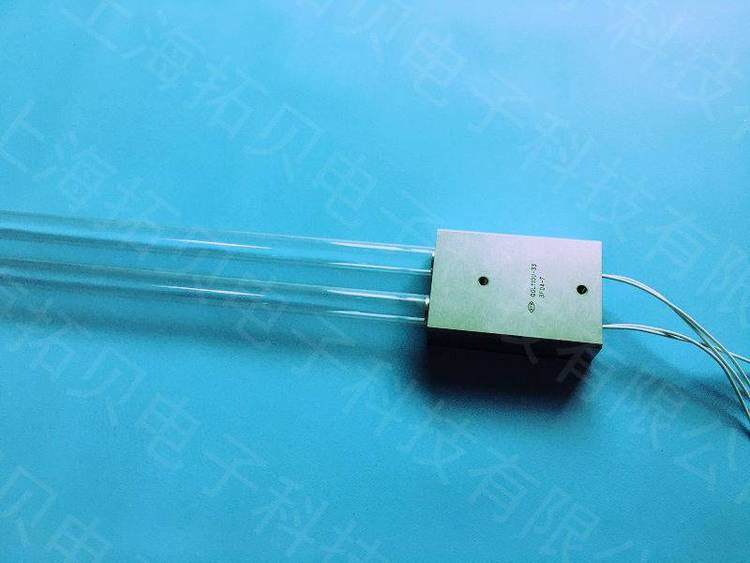
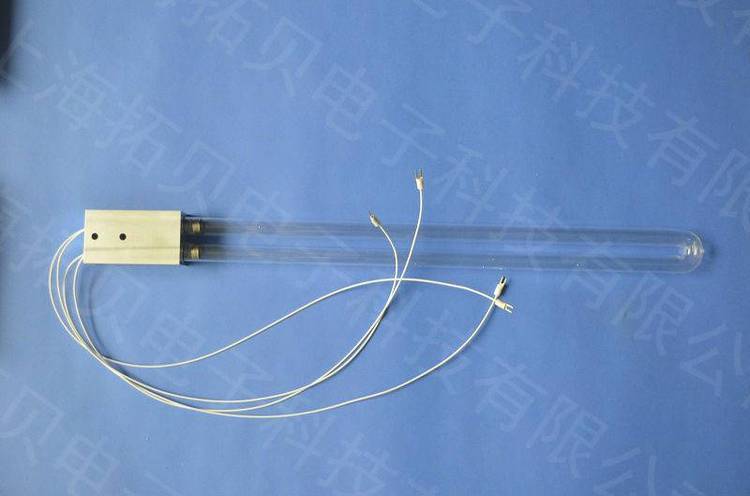
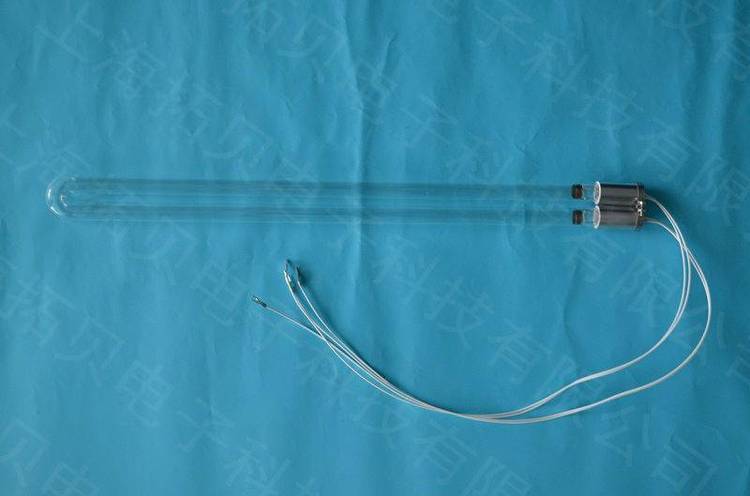
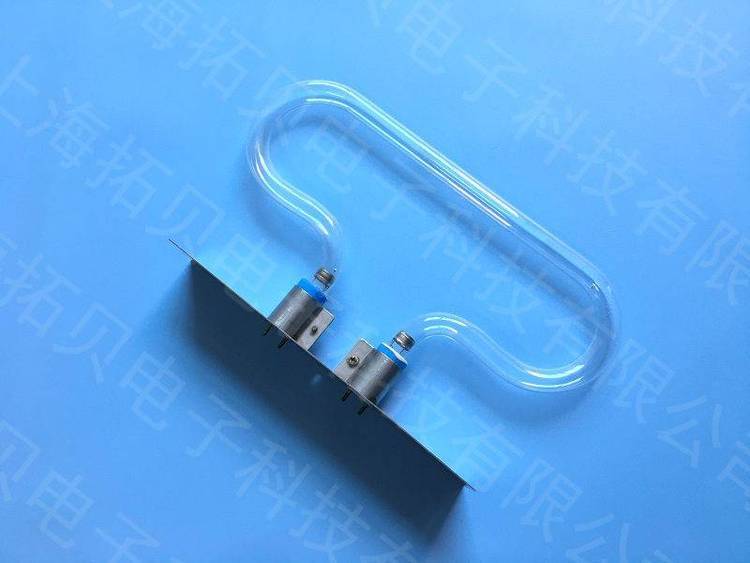
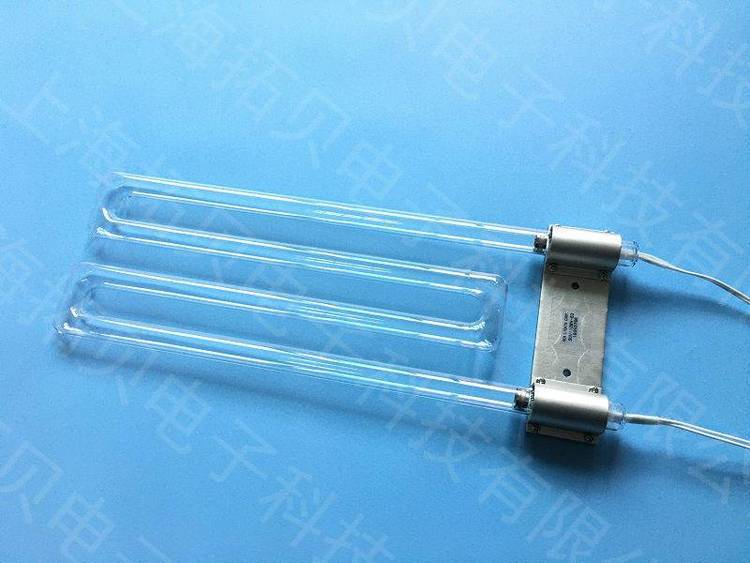
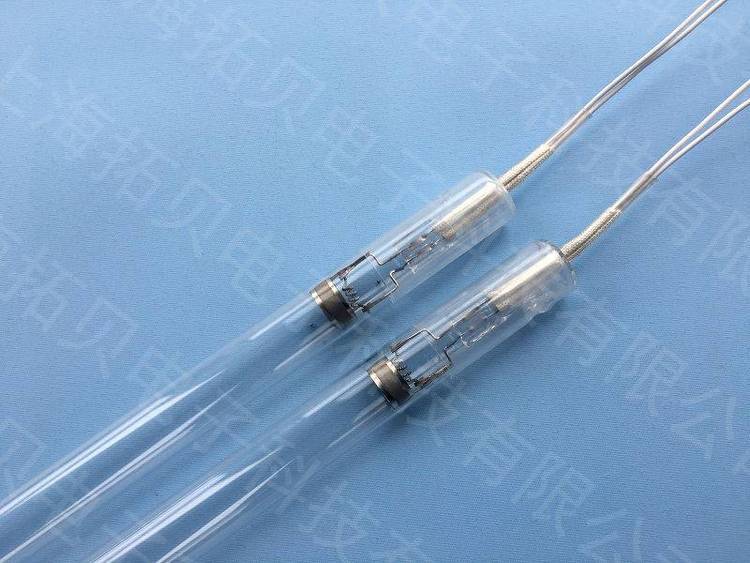
Uv-sweeping and modified lamps, uv-sweeping lamps, uv-sweeping lamps
Photocleaning technology is the use of the photo-sensitive oxidation of organic compounds to remove organic matter adhesived to the material surface, which can be "atom-cleaning" after photocleaning. More detailed: the light wavelength of the uv light source with a wavelength of 185nm and 254nm has a high level of energy, and when these photons work on the surface of the object, because most hydrocarbons are purple with a wavelength of 185nm the outer light has a strong absorptive capacity, which is known as light sensitivity when it absorbs the energy of the uv wavelength of 185nm into ion, ion, evacuated atoms, stress molecules and neutrons. Oxygen molecules in the air also produce ozone and atomic oxygen after absorbing uv light of 185 nm wavelengths. Ozone also has a strong absorption effect on ultraviolet light at 254 nm wavelengths, which is decomposed into atomic and oxygen. Of these, atomic oxygen is extremely lively and, as a result, the carbon and hydrocarbons decomposition on the surface of the object can be synthesized into volatile gases: carbon dioxide and water vapour emit surfaces, thus completely removing carbon and organic pollutants adhesive to the surface of objects. The current method of cleaning, which is widely used abroad, is ultraviolet (uv) light cleaning, which, on the one hand, avoids pollution from use and, at the same time, reduces the process. Low-pressure mercury produced with common quartz is much less purified than low-pressure mercury lamps made with synthetic quartz。
Spectra: 254 nm and 185 nm, with different spectral lamps operating differently。
Power: 36w-1,000w。
Approximate: u, w, n, g, disc, etc。
Active useful life: 3,000 hours
Note: the currenters made by our company guarantee the lifetime of the lamps, with power input of 380 v, 220 v and 110 v