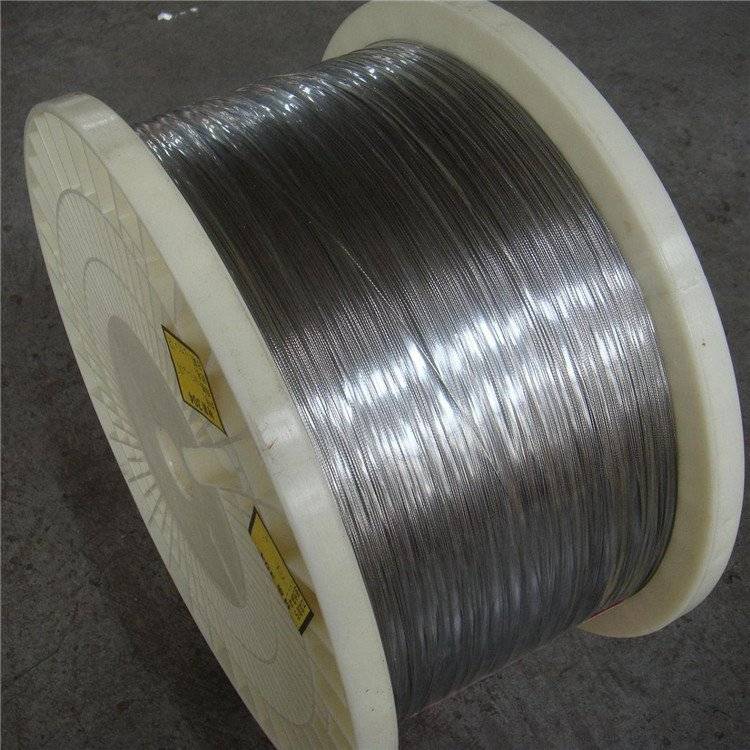
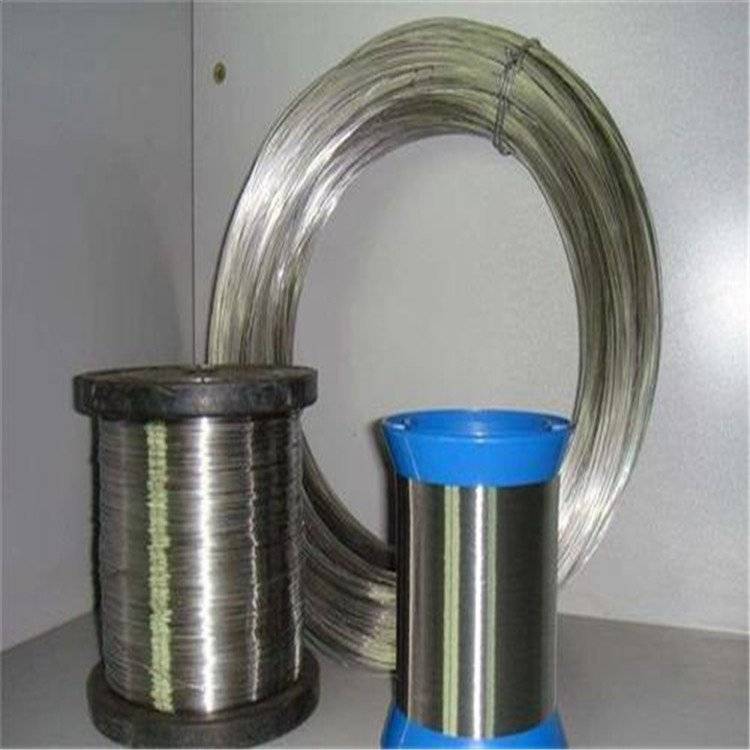
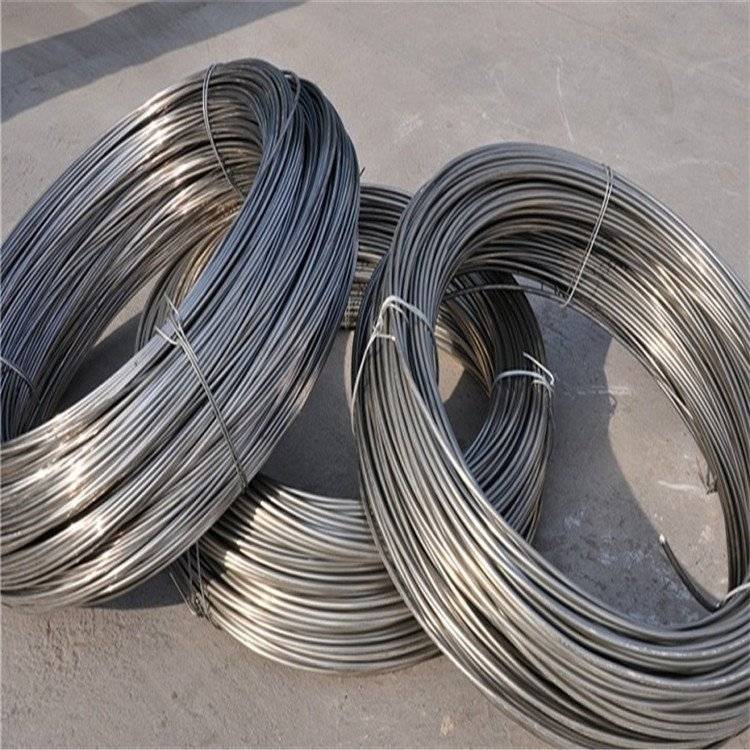
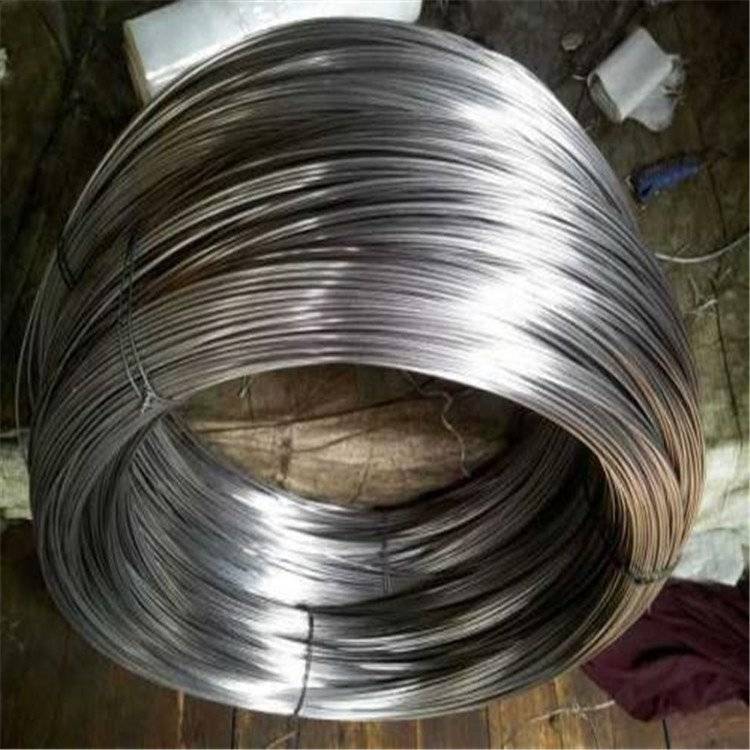
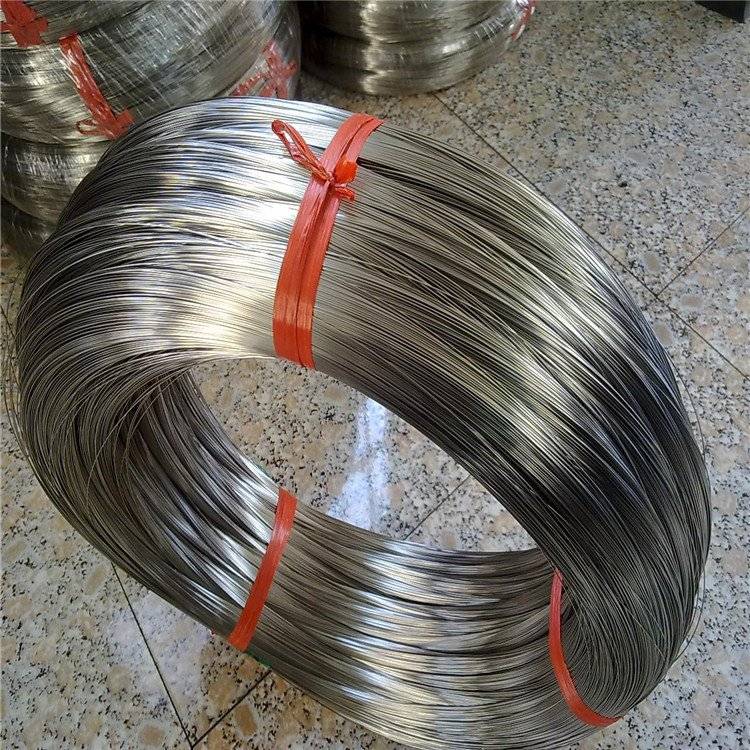
Thickness of electro-hotwire diameter
It is understood that the diameter thickness of electro-thermal silk is a parameter associated with the maximum use temperature, and that the larger the diameter of electro-thermal silk, the easier it is to overcome the deformation at high temperatures and to extend its useful life. The electrical thermal cord shall be operated below the maximum used temperature and shall be maintained in diameter not less than 3 mm and in flat-band thickness not less than 2 mm. The useful life of electrical thermal silk is also largely associated with the diameter and thickness of the electrothermal silk. Thermal wires are used in high-temperature environments, with surfaces forming protective oxidation membranes, and the oxidation membranes are ageing after a period of time, creating a cycle of constant generation and destruction, i. E., a process of constant consumption of internal elements of the wire, with greater diameter and thickness and longer useful life。
Categorization of electrical wire
Electrical thermal alloys: depending on the content and organizational structure of their chemical elements, they can be divided into two broad categories: one group consists of aluminum alloy series and the other a nickel chromium alloy series, each of which has more advantages and is widely used as an electrical thermal material。
Industrial heating equipment such as metallurgical machinery, medical, chemical, ceramic, electronic, electrical, glass and civil heating equipment。