
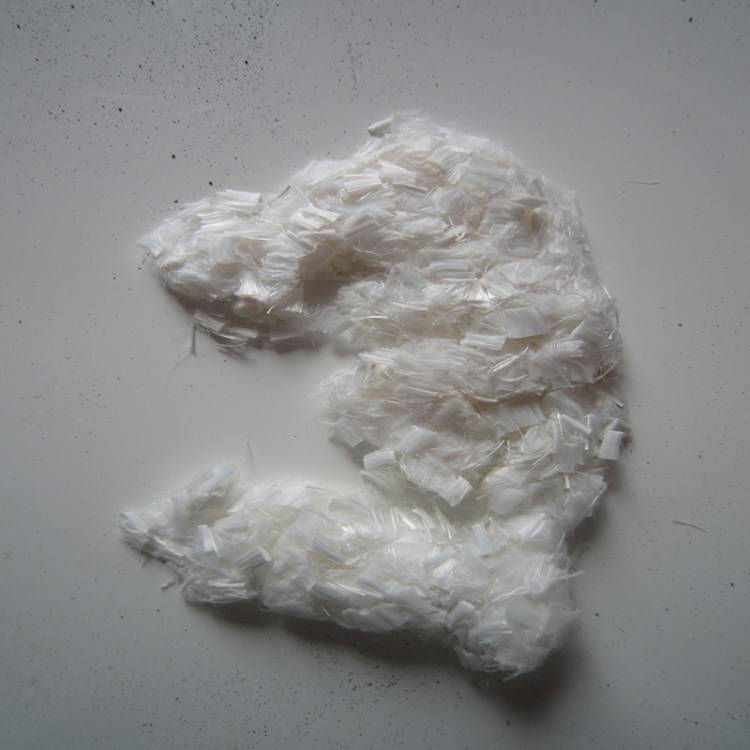


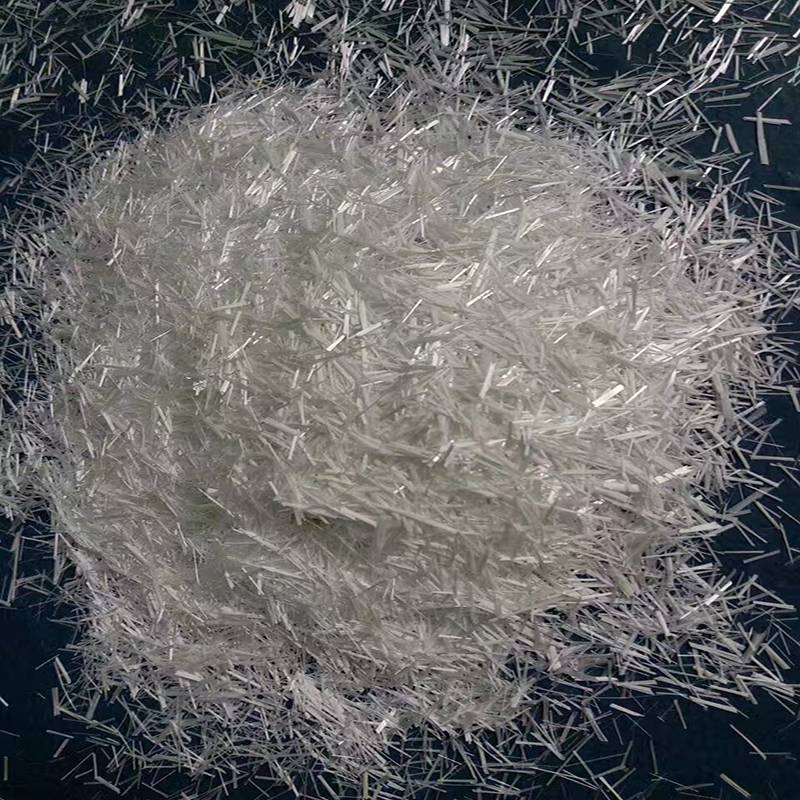
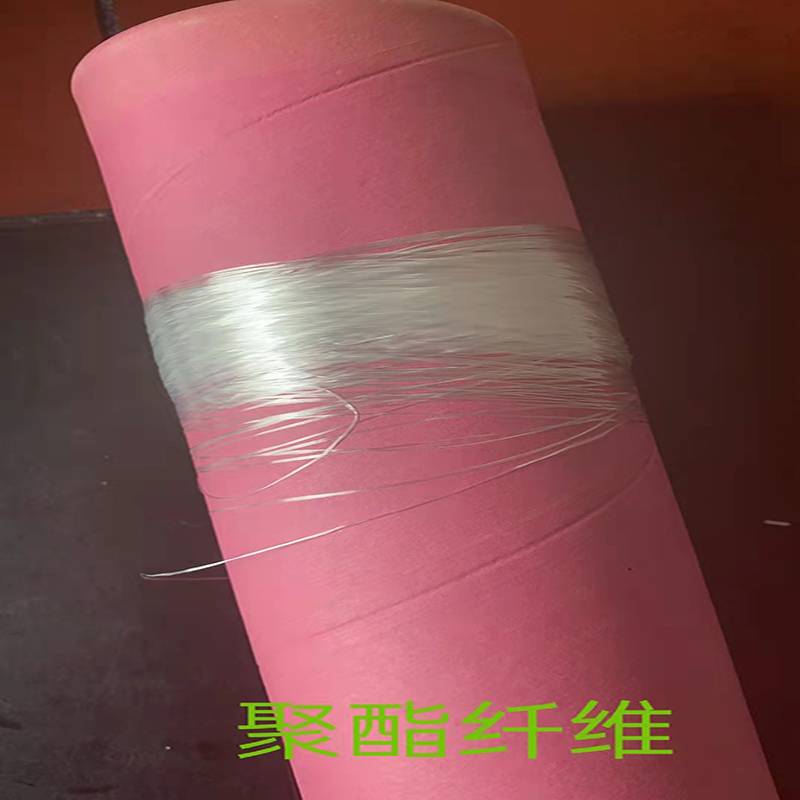
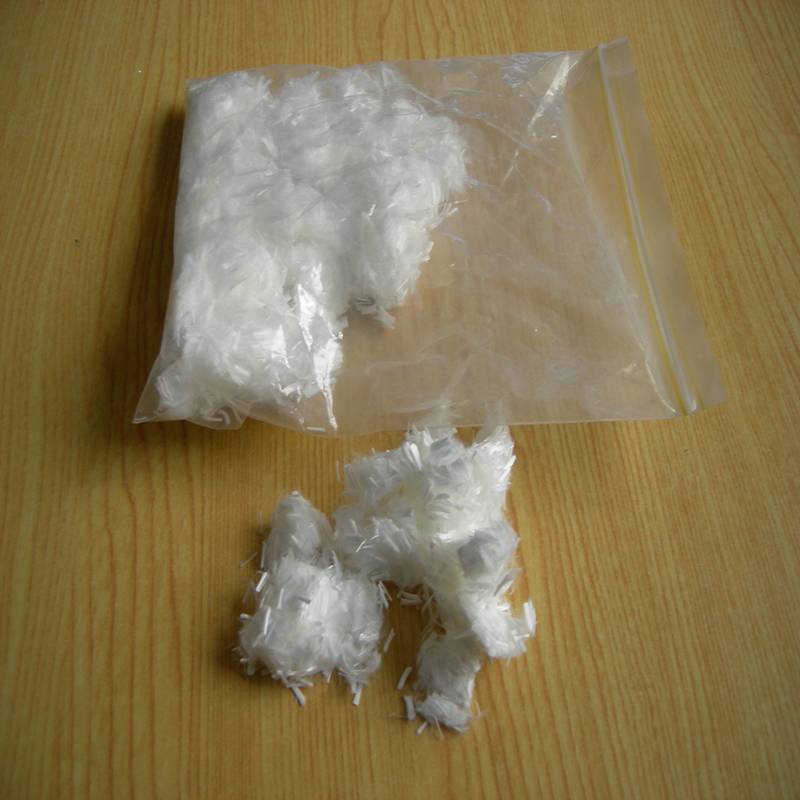
Polyester fibres are refined from oil and are not composted and deformed at -40°c ~250°c. Each fibre is independent, highly adsorbent and free of entanglement with asphalt, which is the same petroleum product, and more than 1. 8 billion fibres will be added to the mixture in a three-dimensional 3-dimensional form when a ton of asphalt mix (2. 25 kg) is mixed, providing significant internal cohesion, significantly improving high-temperature resistance, low-temperature resistance, durability, etc., and ultimately improving road quality and longevity。
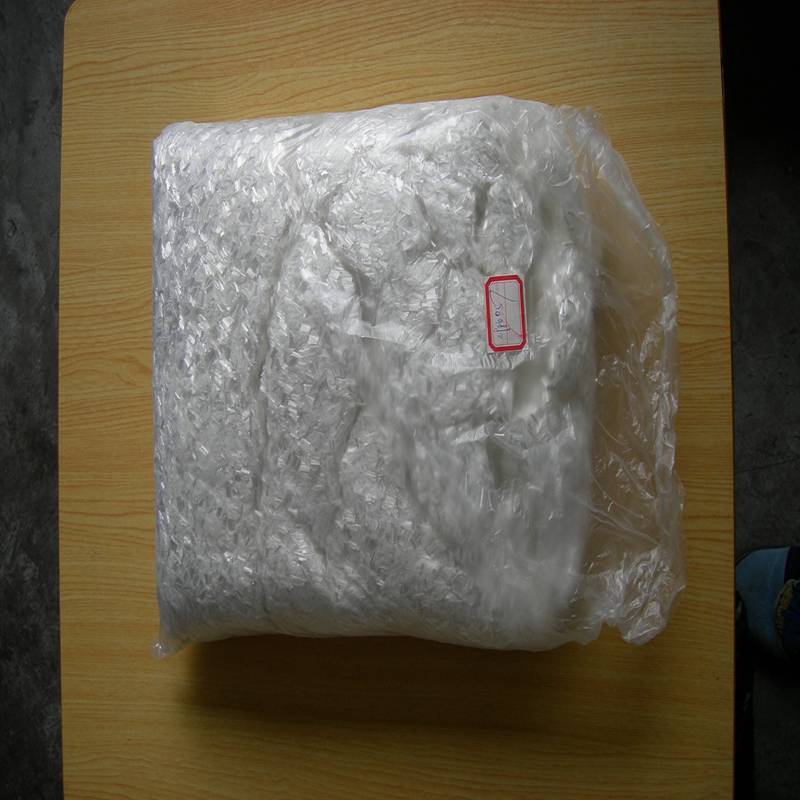
Advantages of polyester fibre use
• improved tarcrete high temperature resistance
• increase in the cryogenic resistance of asphalt concrete, i. E. Resistance to low temperatures due to cooling
The ability to reduce cracks。
• improved water stability for asphalt concrete。
:: improve the resilience of asphalt concrete, i. E. Resistance to asphalt mixing
The ability to be damaged by repeated loads。
:: improve the anti-aging properties of asphalt concrete, i. E. Resistance to climate-induced impacts
The asphalt mix gradually loses its ability to perform good performances such as viscosity。
:: improving the resilience, resistance to decomposition, wear and water of asphalt concrete
It is stable and has a unique function for resistance to reflect cracks。
:: reducing road maintenance costs, improving road quality and extending useful life。
• capable of forming a membrane layer that prevents harmful substances such as water, alkaline, acid, etc
Leakage, to protect the bridge band or steel plate from corrosion。
• use simplicity without the need to change the original design stages, construction processes, mixing and process and crushing processes and without adding any construction equipment。
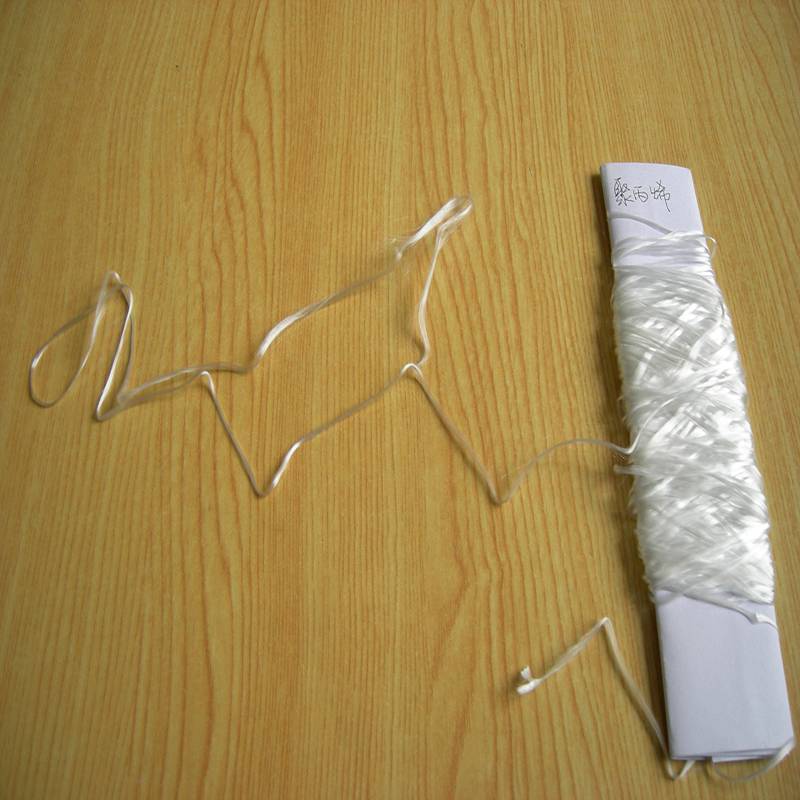
Use of polyester fibres
• new asphalt surface layer
• placing of asphalt concrete layer (steel + black) on steel structural bridges
:: establishment of a membrane layer (waterproof layer) on the bridge
• thin tarcrete concrete cover (white + black) on old cement roads
• thread concrete cover (black + black) of old asphalt roads
:: road reinforcement and rehabilitation
• airport runway and apron enhancements
• cold patches, stitches, strengthening of roads
Contribution of polyester fibres to improving the performance of asphalt blends
1. Improved high temperature performance and high temperature stability of asphalt concrete degrees
Following the addition of polyester fibres, the adsorption of fibres increases the viscosity and viscosity of the asphalt, while the ability to deformate the asphalt mixture from repeated loads under high temperature conditions increases the high temperature stability of the asphalt. At 250°c, high levels of stability are maintained, which improves the resistance of asphalt concrete to softening and road resistance in high temperatures。
2. Improving cryogenic deformation
Polyester fibres have good physical properties and are incorporated into asphalt to provide the latter with a degree of elasticity and remain flexible and high tensile at -40°c, increasing the cryogenic resistance of mixtures。
3. Increased durability
With the addition of polyester fibres, the resistance to fatigue in the mix has increased, owing to the fact that evenly distributed fibres are stretching in the asphalt mix, resulting in an increase in their strength and fatigue。
4. Improved construction and accessibility
It is easy to build at high temperatures and at low temperatures because of the increased stability of asphalt blends and their resistance to deformation at high temperatures。
5. Use of simplicity
The standard mixture of polyester fibres is 2. 25 kg/tonne of the mixture, which is applied proportionally and is fully suitable for mixing and crushing of common laying equipment without adding any mechanical equipment。
Polyester fibres - the unique membrane system on the steel structure bridge
Polyester fibre-enhanced surfaces and established gas membranes form the polyester fibre structure system and are effective in protecting the surface steel bars and plates from corrosion. Melting ice, rain or other harmful media containing corrosive properties are prevented by the membranes. A three-dimensional enhancement is provided between the polylipid fibre grinding layer and the gas membrane layer。