The process of processing product testing reports for electrical platforms is generally as follows:
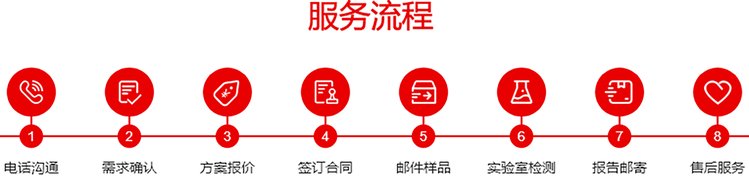
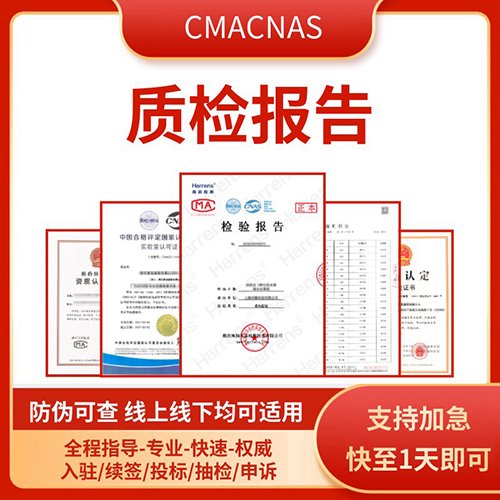
1. Understanding the platform's requirements: specific requirements for testing reports, such as the need for dual-qualified cnas and cma reports, as well as requirements for testing projects, reporting formats, etc., for the electrical platform to be installed or installed. Different platforms may have different requirements for different categories of products, such as clothing, which may focus on material composition, chromatology, etc., and electronics, which may focus on safety performance, electromagnetic compatibility, etc。
2. Selection of testing agencies: to find third-party testing institutions with cnas and cma qualifications. It can be screened through web searches, industry recommendations, platform designations, etc., to see whether the agency's scope of operations covers the product categories to be tested, its reputation, the quality of services and the effectiveness of testing。
3. Preparation of detection information and samples
Information: product descriptions, brand information, product specifications, lists of materials, etc., are usually required to enable detection agencies to understand the characteristics of the product and the relevant parameters。
Samples: prepare a sufficient number of representative samples of products to ensure that they truly reflect the quality of the products actually sold. The number of samples and the specific requirements can be determined by communicating with the testing agency。
4. Fill in the request for a quality check: request for a quality check form from the testing agency and complete it, including product information, detection project, test criteria, applicant information, etc., specifying the specific requirements and purpose of the test。
5. Consultation and payment of testing costs: the testing agency conducts a cost assessment based on factors such as the type of product, the complexity of the test project, and, by consensus, enters into a fee-paying contract or agreement whereby the commercial pays for the test in the manner agreed。
6. Send samples: pack and send ready samples in accordance with the requirements of the testing agency, ensuring that the samples are not damaged or lost during transport。
7. Waiting for testing: once samples are received by the testing agency, they are tested according to the relevant standards and processes, generally requiring 3-7 working days, and in exceptional circumstances or urgent needs, the test may be shortened in consultation with the agency。
8. Audit and issuance of reports
The draft report confirms that once the test has been completed, the firm issues a draft report to the vendor confirming that it needs to carefully check the accuracy of the results, product information, etc. In the report。
Official reporting: following confirmation of no objection by the vendor to the draft report, the testing agency issues a formal test report, which is usually available in paper and electronic form。
9. Uploading reports: once the official test report has been obtained, the electronic file of the report is uploaded to the designated location of the respective electrician platform, pending its approval. Once the platform has been approved, the product will be ready for sale。