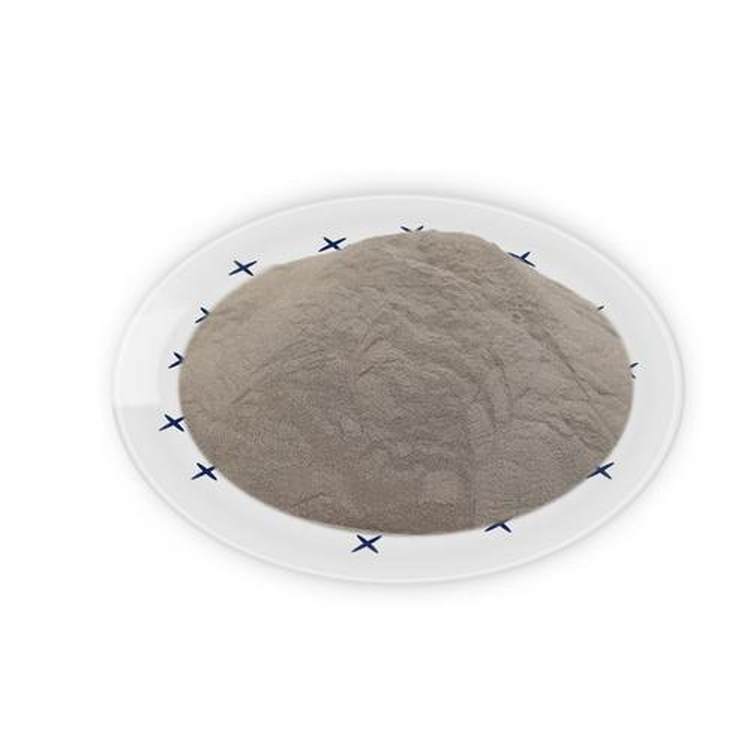


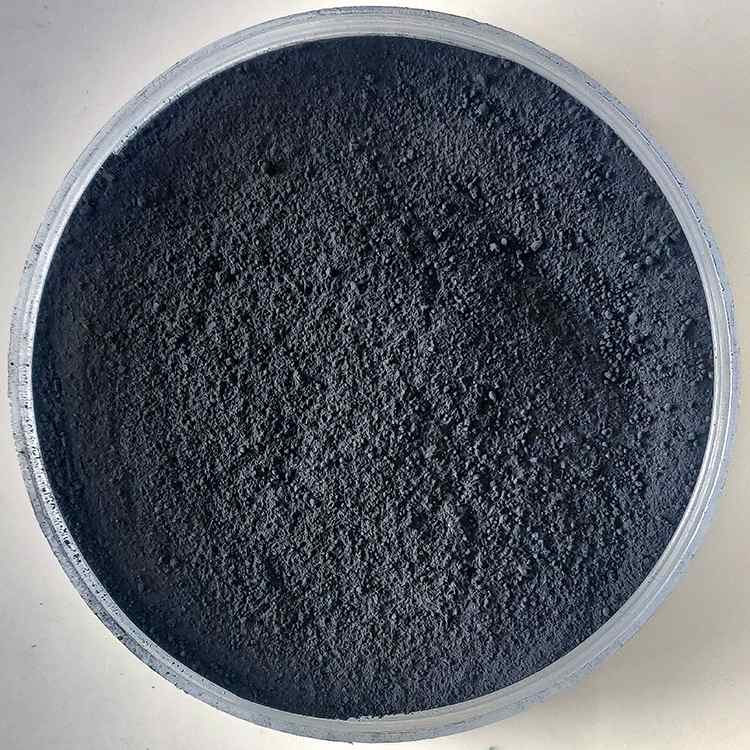
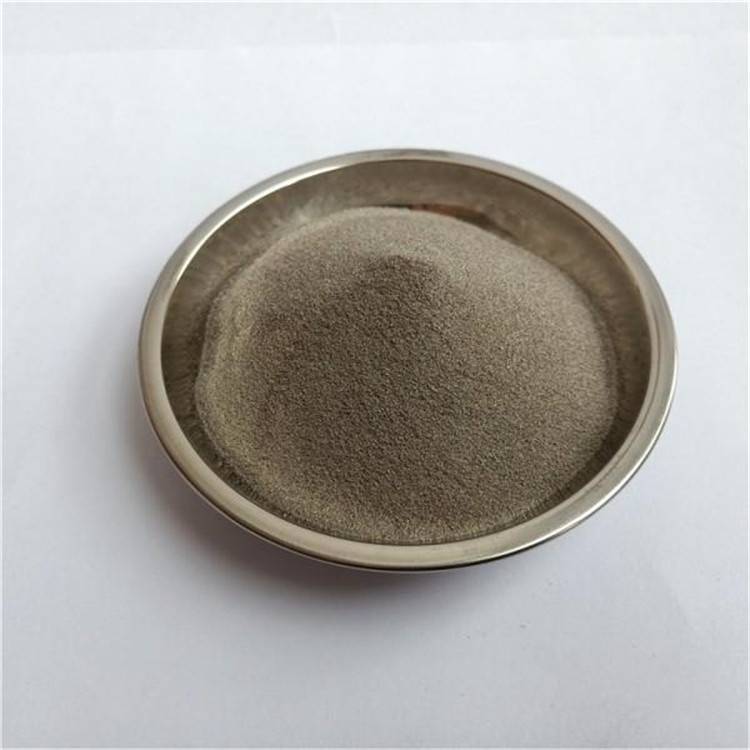
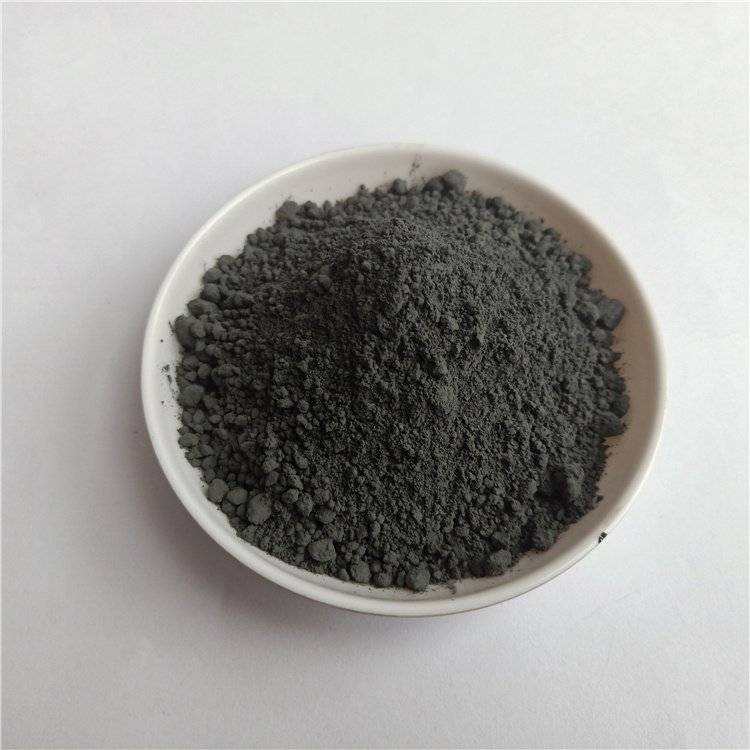
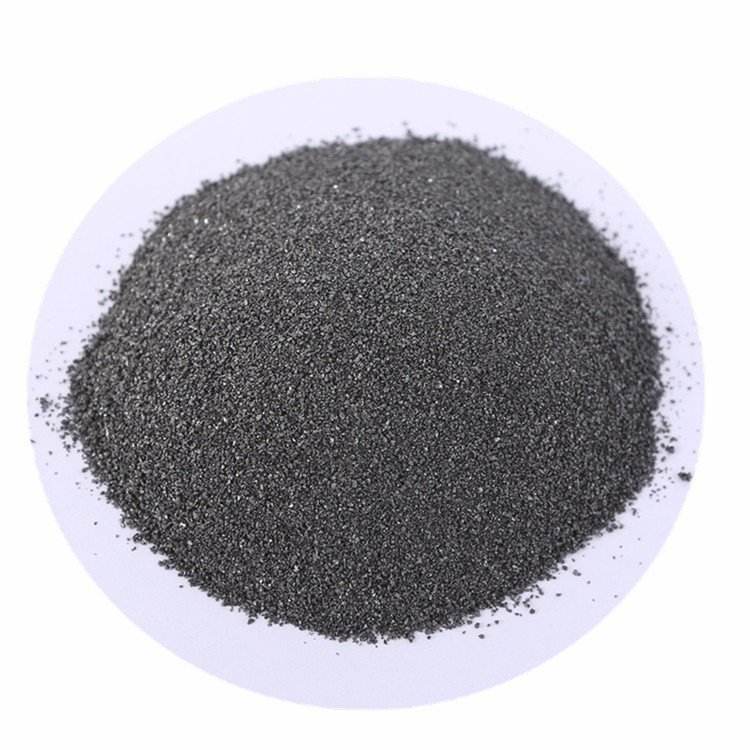
Metal material powders are materials of a light, extended, easy to conduct, heat transfer, etc. It is generally divided into ferrous and non-ferrous metals. Black metals include iron, chromium, manganese, etc. Steel is the basic structural material, called “industrial bones”。
The following are the advantages of powder metallurgical products:
1. Processable high-melting point materials, tungsten and molybdenum, are almost all produced by powder metallurgical methods because they have too high a melting point to melt。
2. Production efficiency is high because it does not require machine processing to make complex shapes, which are mostly used in small-sized parts and allow for the production of porous materials。
3 the powder metallurgical process does not melt materials during material production and does not mix with impurities from other substances, while sintering takes place in a vacuum and in a reduced atmosphere, without fear of oxidation or any polluting material, and therefore the purity of the product is relatively high。
4. Powder metallurgical is suitable for the production of products of a uniform mass, such as more expensive gears, which can significantly reduce production costs。
High mechanical strength, robust, resistant, non-fragmentable, renewable, gnawed, weldable, adhesive; metal powders with good damp and air-condensive properties, which not only block gases but also deter light, especially ultraviolet light, which allows them to be well preserved; metal powders that are easy to recover and treat, and their waste contamination of the environment is relatively small with plastics and paper