

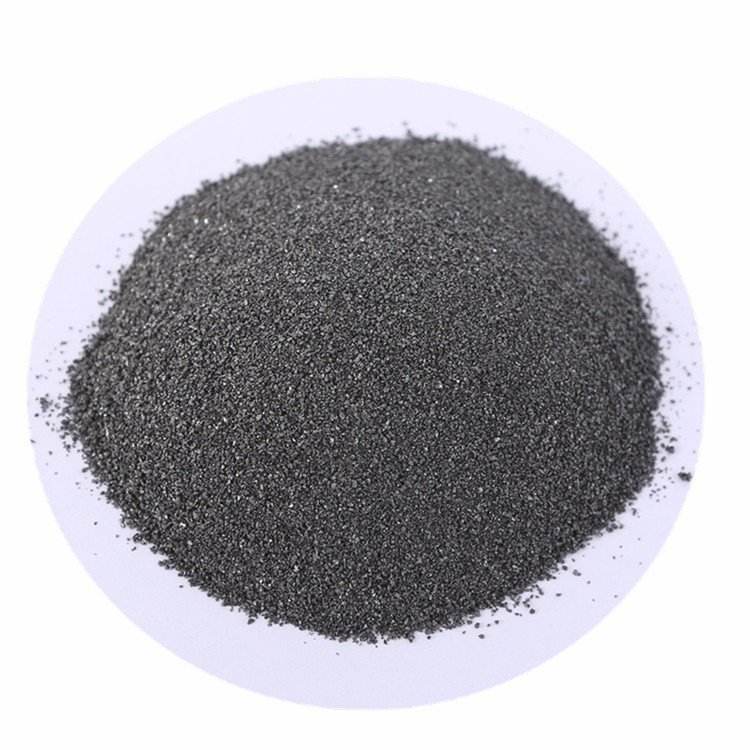
Characteristics of inorganic non-metal materials
(1) chemical components consisting of inorganic compounds or non-metal elements include oxygenate, nitrogen, silicate, carbonate, sulfate, silicate, boronide, fluoride, sulphides, silicone, thiram and carbon materials。
(2) includes polycrystals, monocrystals, non-crystals, thin membranes, fibres, composites, etc。
(3) the crystal structure is complex. There are many kinds of atom-dry crystal defects in a crystal that may contain multiple elements。
(4) the inter-atom combination is enriched by ion, covalent or separation-covalent hybrids with high-key energy and large polarity。
Special inorganic non-metal materials are characterized by:
Each has its own characteristics. For example: the high temperature resistance properties of high temperature oxides; the high frequency insulation properties of aluminium oxide and beryllium oxide ceramics; the magnetic properties of iron oxygen; the optical transfer properties of fibre-optics; the superhard properties of diamonds and cubic nitrogen oxides; the conductivity of conductive materials; and the rapid condensation and rapid hardening properties of fast hardening early-intensity cement。
2 various physical effects and micro phenomena. For example, thermal and voltage power of photo-thermal-sensitivity materials and the power of electrical and gaseous materials, gas-electricity, humidity-electricity of wet-sensitization materials, and the functional conversion properties between physical and chemical parameters。
Composite materials consist of materials of different natures. For example, metal ceramics, high-temperature inorganic coatings and inorganic fibres, crystals, etc。