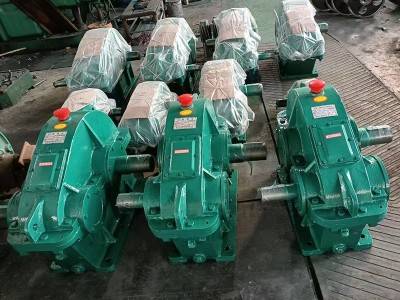



SelectionSlowerFor lubricating oil, be it engine or gear oil, depending on the circumstances. In general, speed-reducing machines are better suited to use gear oil because of their extreme pressure and grinding properties, which can effectively protect gears and bearings of speed-reducing machines, thereby increasing their useful life。
For brake machines with heavy loads, frequent start-ups or operating in bad environments, gear oils with appropriate viscosity and special additives should be selected. These additives can further enhance the extreme pressure, grinding and oxidation resistance of oils and provide greater protection for speed-reducing machines。
In addition, the type of brake machine is an important consideration in the selection of lubricants. For example, a brake machine with direct, slashed or human teeth usually uses extremely pressurized wheel oil, the viscosity of which is determined by load and rotation and may range from 68 to 460. For the hyperbolic gear structure, the speed-reducing machine is required to use a specific, quasi-breather, which is not applicable to ordinary industrial gear. For brake machines for turbine snail structures, the option may be to use specially designed turbine snail gear oil, or very hard-pressed wheel oils with a viscosity greater than 460, bearing in mind that their useful life may be relatively short。
For small closed light loads, either 0, 0 or 1 lubricant is also a suitable option. At the same time, the manner in which they are installed may also affect the choice and use of lubricants. Where conditions permit, priority should be given to the level of installation, as more lubricant is often required for stand-by installation, which may lead to overheating and oil spills in speed reduction machines。
Different equipment and operating environments will also require different requirements for lubricants. For example, when a precise speed-reducing machine is carrying heavy loads, it should select highly resistant gear oil. In high-temperature environments, high-temperature-resilient gear oils should be chosen, and in low-temperature environments, lubricant oils with anti-frozen functions should be selected. In the absence of special requirements, the use of general lubricants is sufficient。
With regard to the maintenance of the brakes, the oil replacement was recommended after approximately 300 hours of work. When oil is replaced, appropriate washing agents should be used to wash gear tanks and to avoid mixing synthetic oil with mineral oil. It is recommended that the state of the speed-reducing machine be tested every three years and that the lubricating oils, mineral oils and oil seals be replaced to ensure their proper functioning。
From: http://www. Fsjzxfsb. Com
