


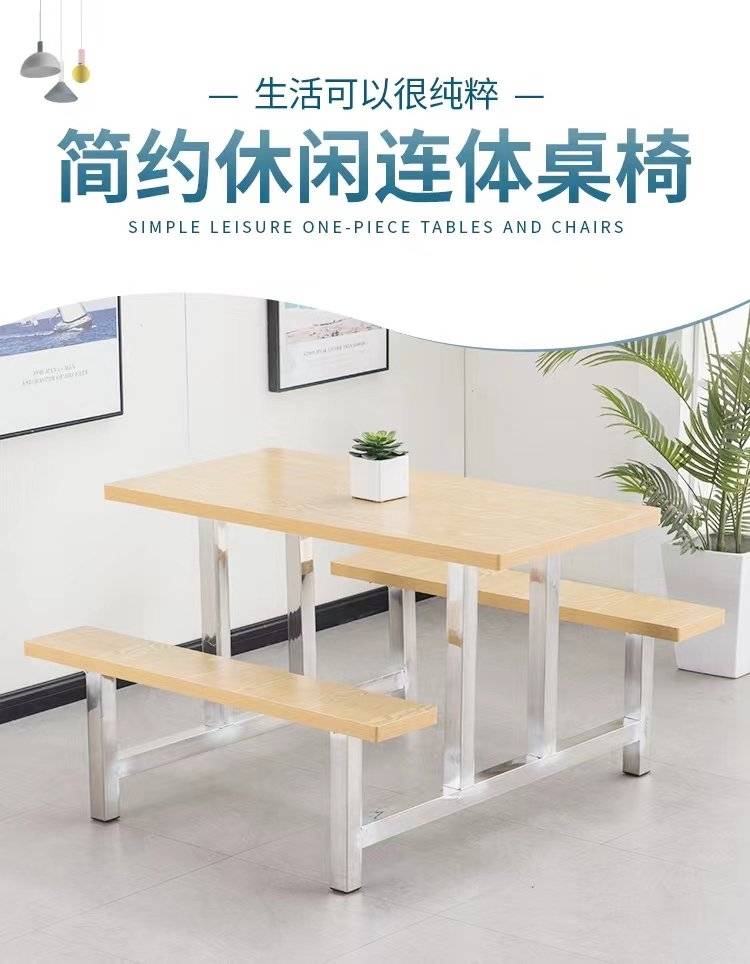

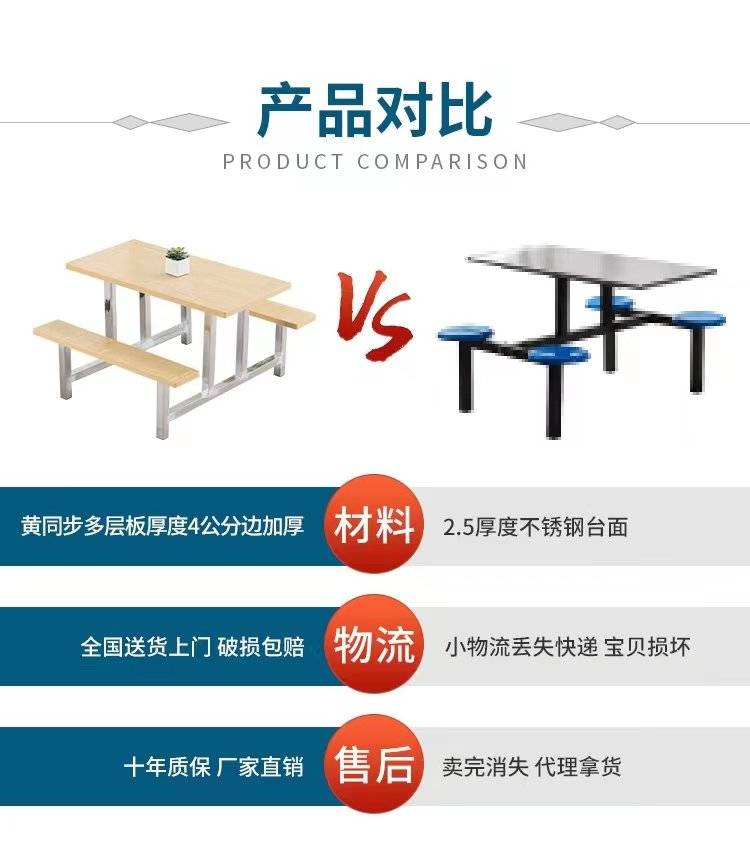

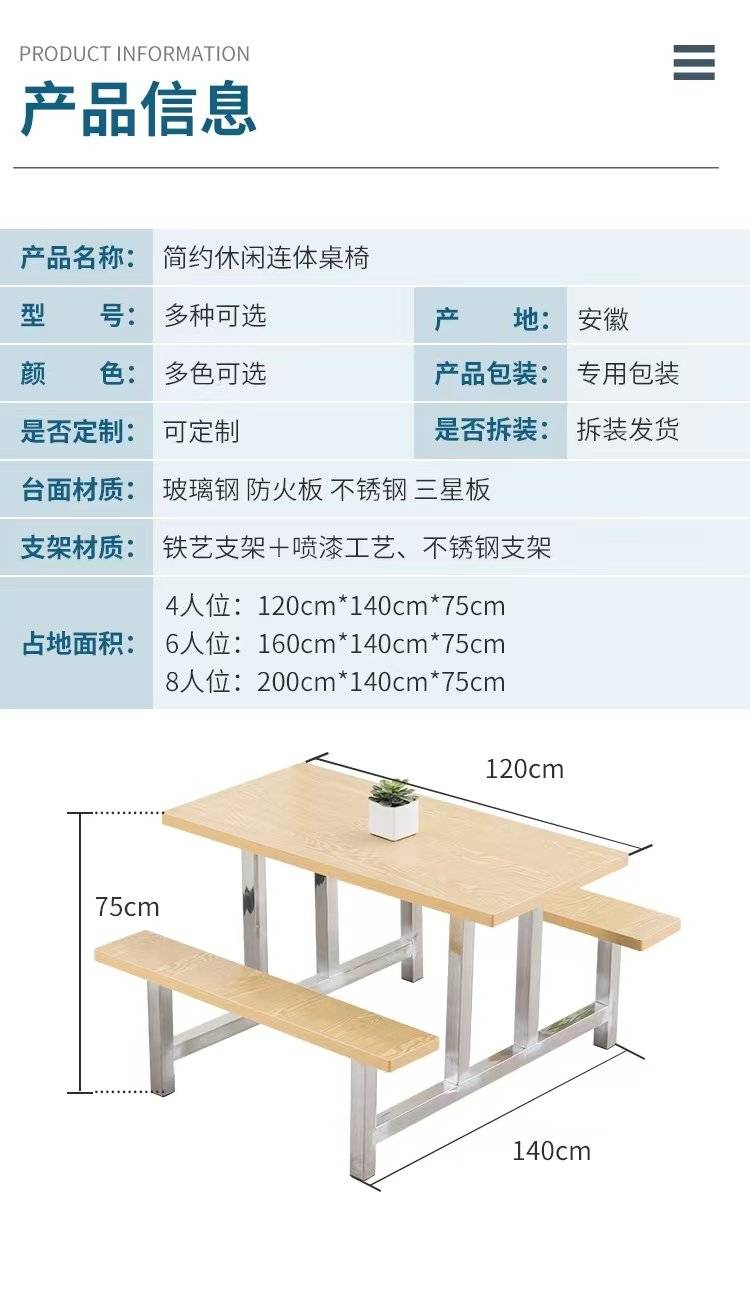
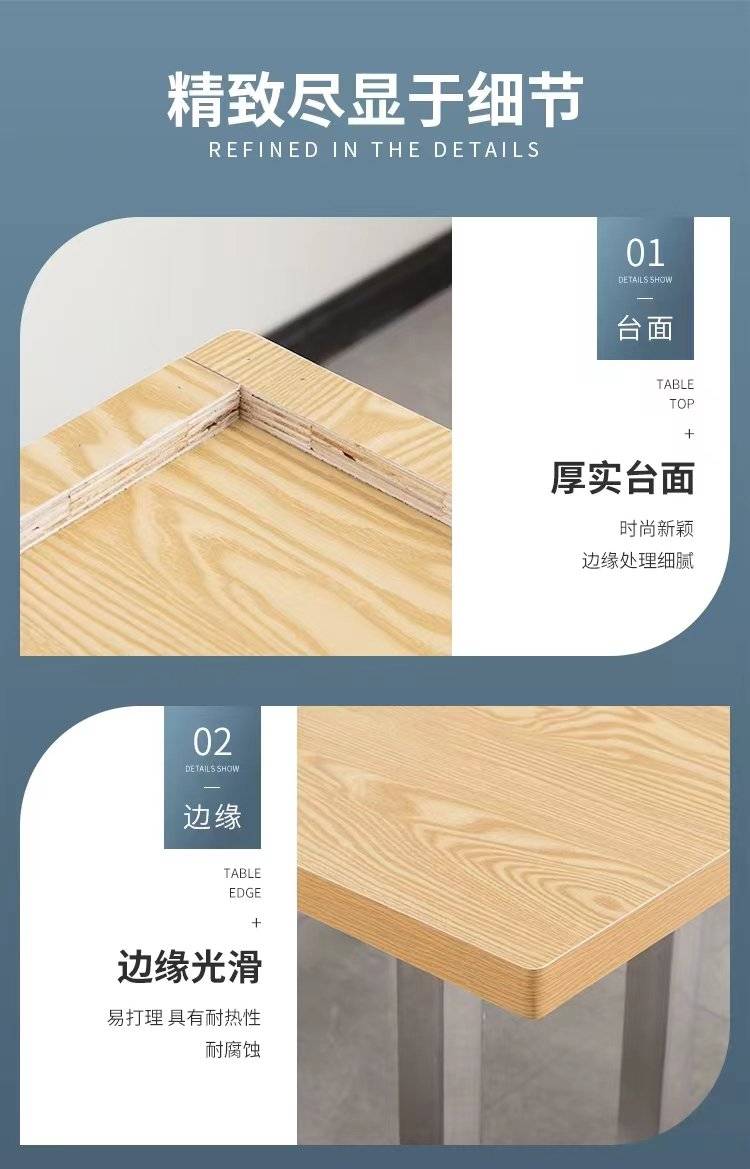
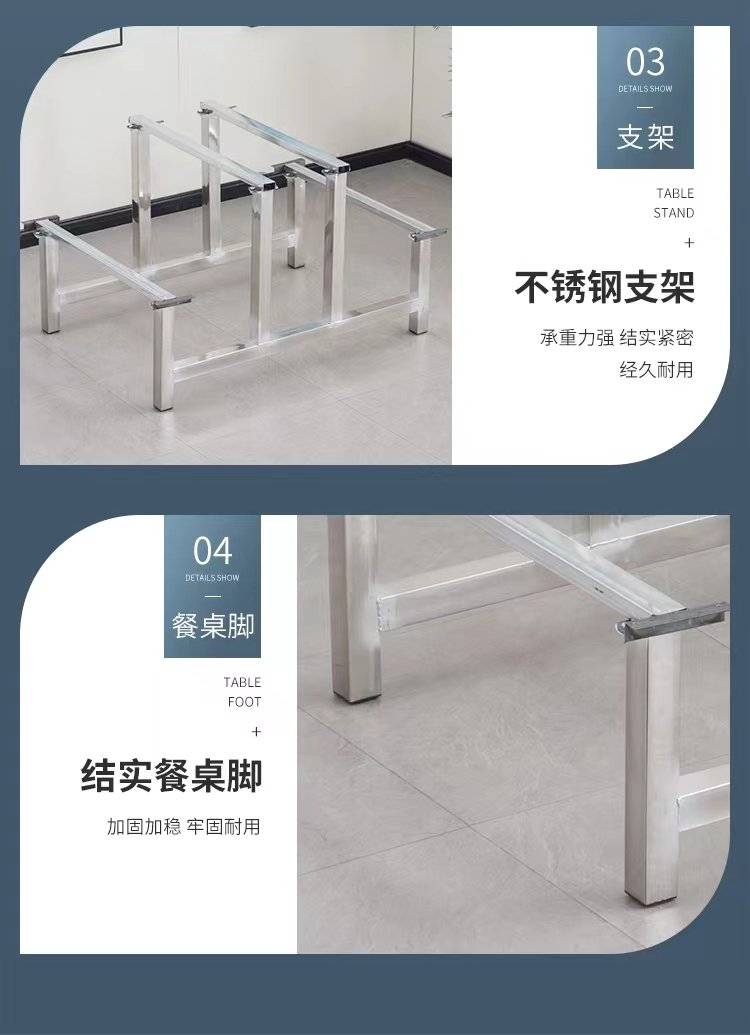
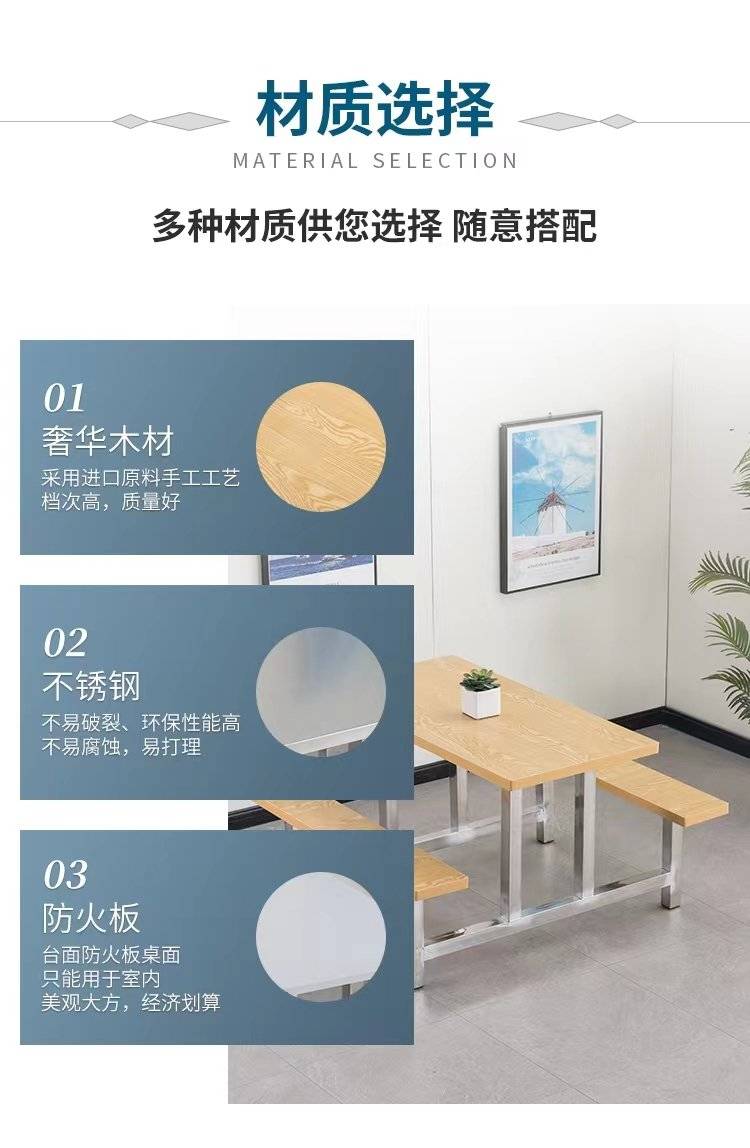
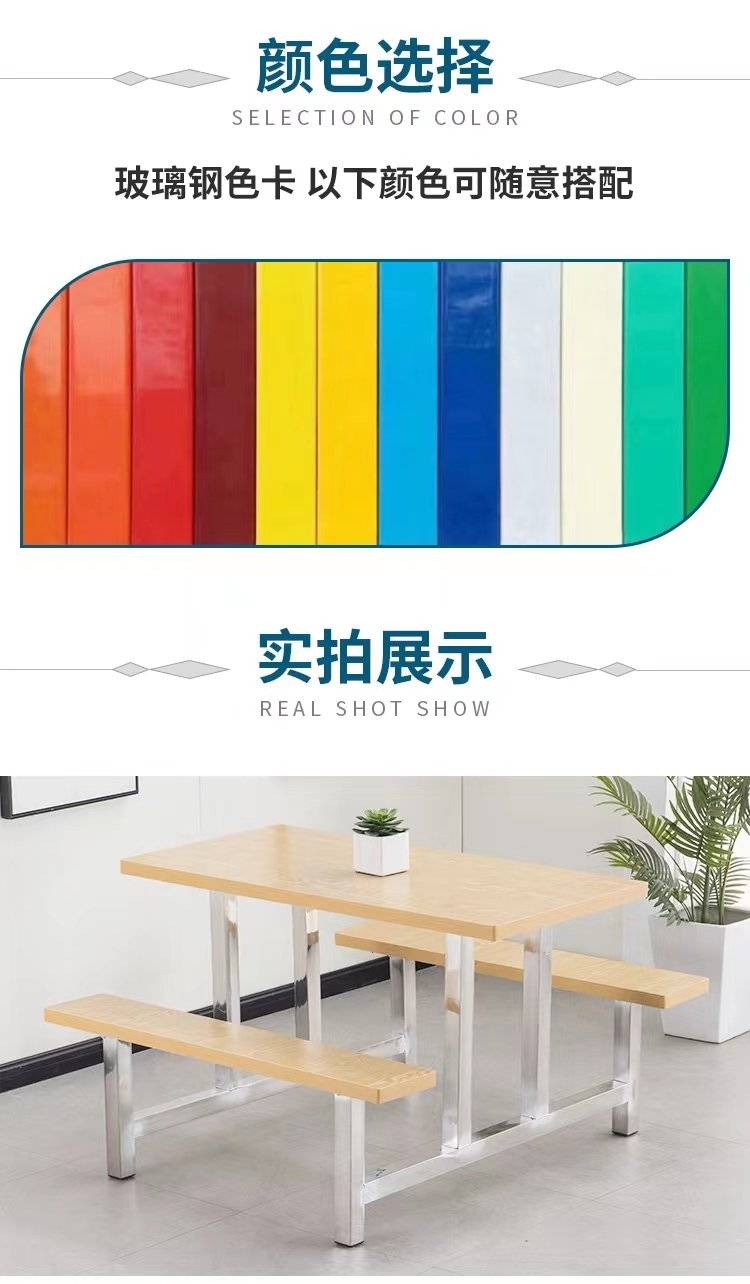

Tables and chairs shall be in a form, number and class coordinated with the slot, size and mode of operation of the chinese fast food。
The table configuration is based on the size, shape, slot and mode of operation of the fast-food restaurant, the rational selection of the table format and the spacing of the table, the determination of the location, direction and width of the channel and, ultimately, the form, specification and number of tables. A chinese restaurant has learned that, in general, medium- and low-end fast-food restaurants tend to choose longer tables and larger round tables, making it easier to put them together in a compact fashion; small square tables are used to supplement the corners, make full use of the area of business and maximize the number of seats; and high-end fast-food restaurants tend to choose round tables and small and medium-sized round tables. Such tables are suitable for large displays, which make the customers comfortable, can present a variable layout, and can make the fast-food layout more attractive. In addition, seats match the size, mass, colour, style and table。
2. The mix of customers determines the mix of tables and chairs。
One of the most important principles of fast-food management is maximizing the efficient use of seats. The selection of table specifications must be configured in accordance with this principle. In selecting table specifications, the most important criterion is the maximum statistical frequency of the number of customers per table。
3. The seating arrangements should be flexible。
People do not want to eat in crowded fast foods, but the scarcity of customers in fast foods creates an unwelcome fast food climate. It is therefore recommended that fast-food restaurants should have some flexibility in scheduling the number of seats. The chinese fast-food operator should make reasonable arrangements based on different types of seats。