
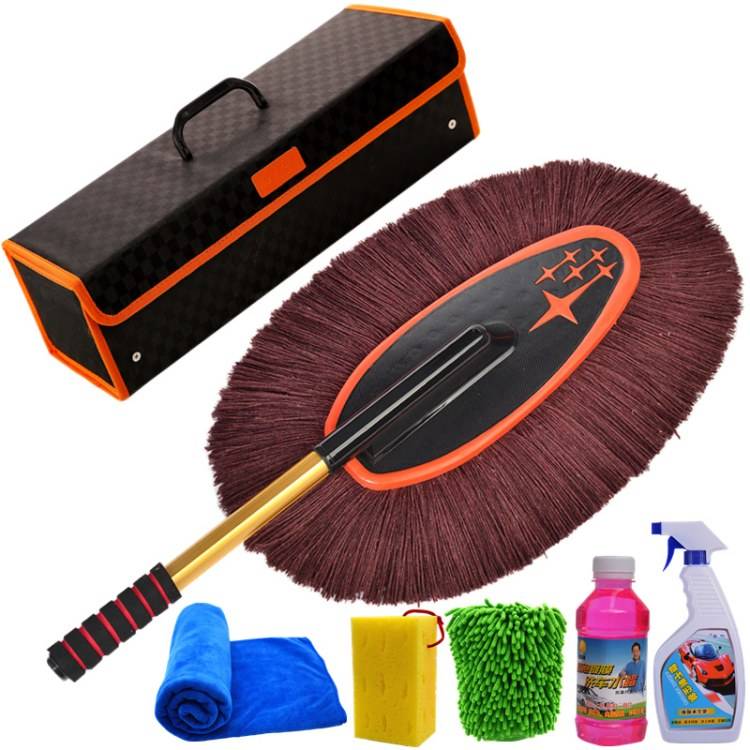








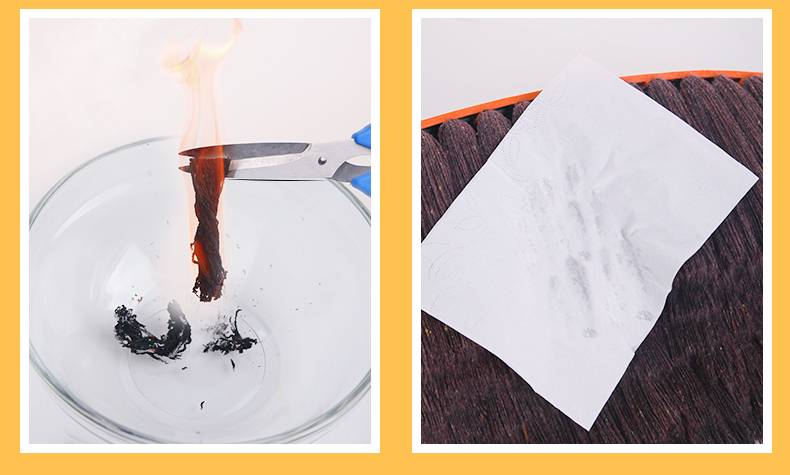
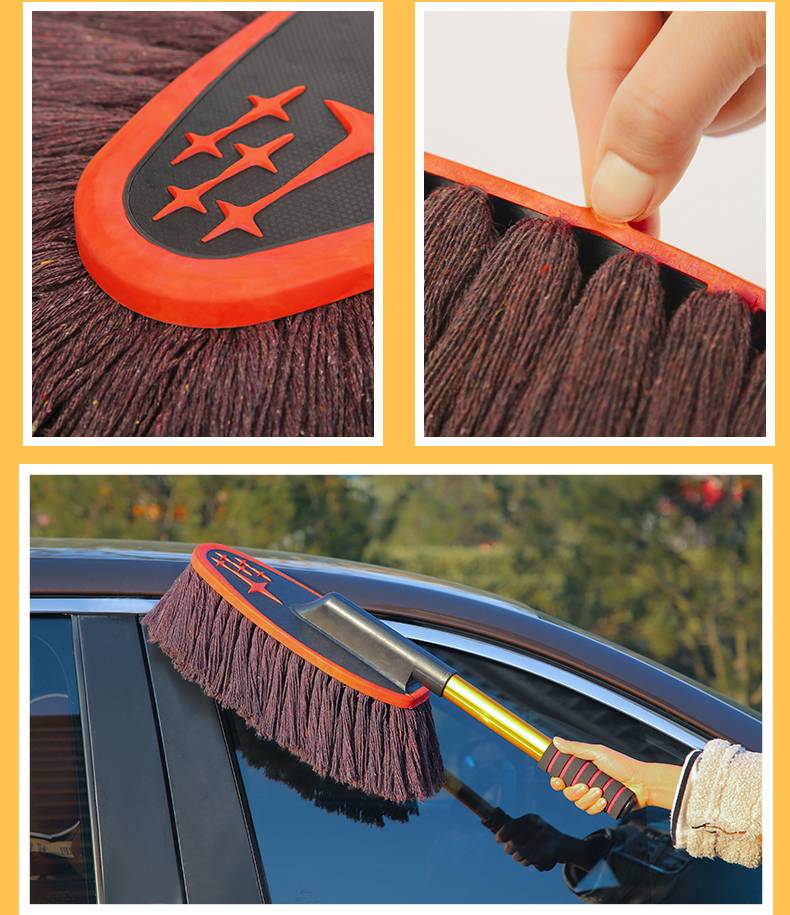



The technique of immersion wax, which is commonly said to be immersed in wax fluids before the yarn is made, is made using mechanical agents to remove excess wax fluids, which has the advantage of being very evenly permeable, persistent and not often replenished. However, due to mechanical malfunctions or manual factors, there are occasional excess waxes on individual veils (which could not be detected at the time of shipment) and partial wax marks, as wet, are formed when used. In this case, it is only necessary to wipe it off with clean, soft towels, which are not available several times, or to dry it properly in the cooler ventilator. At least you can be assured that our wax is wax, and wax is good for paint. I don't know
I don't know
I don't know
2. New wax brushes do not need to be filled with waxes. Remember. New wax brushes are fully immersed, used directly, and in normal use they are not filled with mop waxes for much of the year. Otherwise, too many new waxes would result in a mark on the brush. Users who like waxy ones can supplement them as they please. That mop wax is just a spare, and when it needs to be replenished, it's just a proper flat spray on the brush, just like we use the water. They are then placed in a plastic bag for one or two days, not immediately used, and will be used normally once the wax is fully evenly permeable. I don't know
I don't know
I don't know
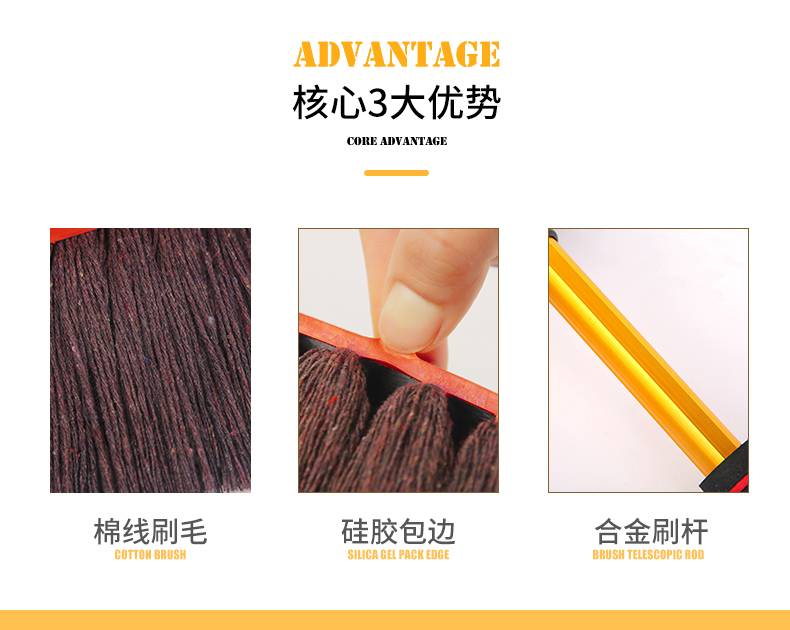
Three, wax-brushing: our factory uses mechanical hair-planting techniques, and it's popularly said that a veil like a toothbrush goes into a brush and doesn't lose hair. The new brush's gauze is machine-designed, and it's bound to be fuzzy