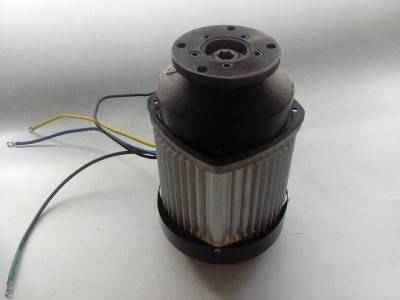
YesTourist motorIn industry, the performance of the electric radiator system directly determines the efficiency, safety and useful life of vehicles. Traditional cold and diffuse heat is limited to ambient temperatures and electric power, and is no longer able to meet the need for high loads and long-lived space. New diffuse technologies, such as liquid cooling and heat tubes, have become key means of breaking the electric dispersing bottlenecks by optimizing thermal transport path and thermal exchange efficiency。During the operation of the tourist motors, the heat generated by round-group copper consumption, fixed rotor iron consumption and mechanical friction will lead to a decrease in the lifetime index of insulation material if it is not distributed in a timely manner. For example, the insulation lifetime of a synchronous power plant at more than 80°c will be reduced by 50% for each 10°c increase. Excessive temperatures can also cause problems such as magnetic remagnetics of the steel, loss of axle lubrication and, in exceptional cases, direct burning of electric power。
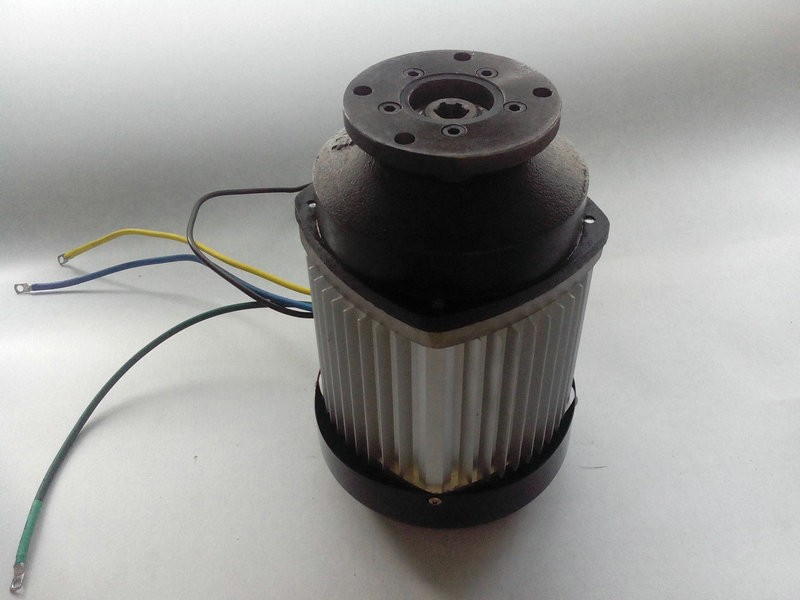
Depending on the power density and operation of the electrical power, the radiator system is required to keep the temperature of the core component below 60°c. Tourist motors use water or oil media to circulate cooling, with heat dispersion more than 50 times more efficient than the cold. Development of differentiated heat dispersion systems for different applications such as mountain and highland areas。The technological evolution of the tourist motor heat-dispersion system is moving from a single heat-dispersion mode to multi-technology integration and intelligent control. The operational stability and useful life of the electric power can be significantly enhanced by optimizing the heat transfer path, increasing the efficiency of the heat exchange and introducing smart monitoring。Source: http://www. Szmdmotor. Com. Cn