The accounting entries for meals charged by employees' canteens are based on the specific business scene, as follows:
Deduction of meals from staff salaries
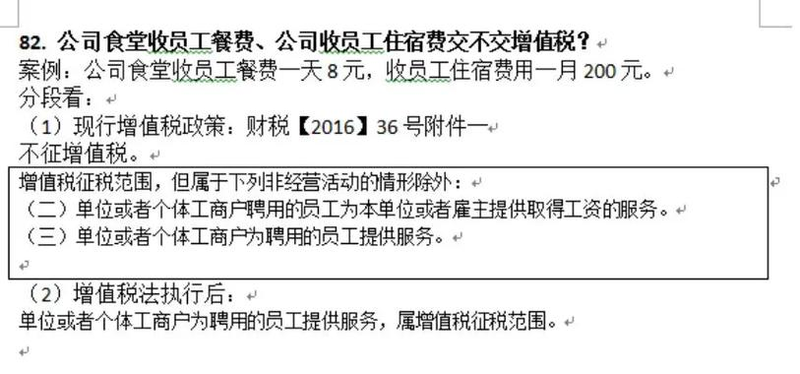
If an enterprise collects the cost of meals through wage deductions, this is done in two stages. When drawing wages, the total amount of wages due is fully included in the “payable to employees—payable to employees” line, while the deduction portion is recognized as a liability and the accounting sub-count is as follows: loan: pay due to employees—payable to employees—payable to employees: when other accounts—payable to food are actually paid for, the net amount of the deduction is paid to the employee, and the deduction is transferred to the canteen account or used to offset the cost of the canteen, and the accounting sub-record is as follows: loan: other accounts payable—payable to food: bank deposits (or other means of payment), the cost of meals is essentially a deduction for the employee's remuneration, and the enterprise is not required to make additional recognition of income, but to ensure that the deduction is in accordance with labour regulations。
In-house cafeterias provide meals and charge fees
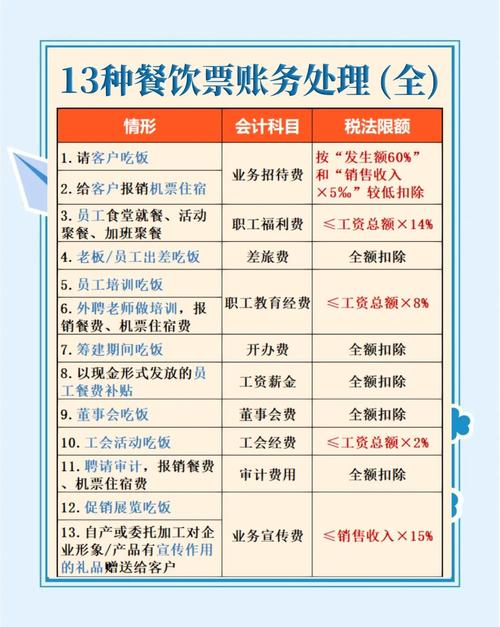
If the enterprise has an internal canteen to cover the cost of the canteen, the related expenses are charged to the employee's benefit. The accounting entry is as follows: loan: pay/benefits due to the employee: when a bank deposit (or cash on hand) is charged for the employee's meal, if the amount is small and is not accounted for separately, the expense of the benefit is directly offset. The accounting entry is as follows: loan: cash on hand (or bank deposit) is credited: if the enterprise separates the employee's remuneration/benefits from the benefit, the charge may also be deducted from the “management expenses-benefits” line, as follows: loan: cash on hand (or bank deposit) loan: the management fee-benefit is supplementary to the enterprise's benefit, ensuring that the fee is reasonable and in line with the tax law's limit on the percentage of the benefit deduction。
Outsourcing or independent operation of enterprise canteens
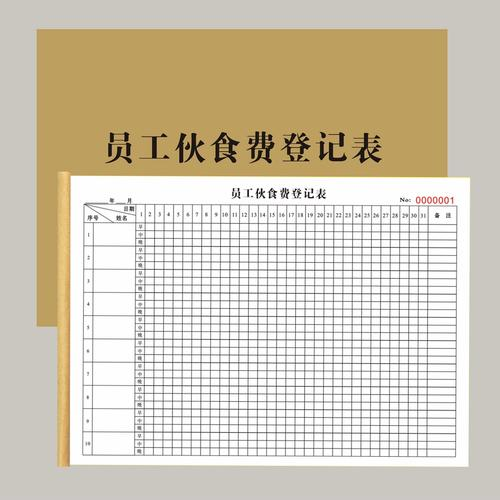
If an enterprise uses a canteen as a business (e. G. Contracting out or providing catering services), the charge for meals is subject to the revenue recognition principle. In the case of main operations (e. G. Catering companies), the accounting entry is as follows: loan: cash on hand (or bank deposits) loan: income from main operations is taxable - value added tax (vat) is due for income from the main operations - if it is non-dominant (e. G. Occasional external service in an enterprise's ancillary canteen) it is included in “other business income” and as follows: loan: cash on hand (or bank deposits) loan: tax on other business income - value added tax (vat) is due under the tax law and ensures that income and cost are accounted for。