2. 1. 2 basic concept of microwave
1. Definition of microwave
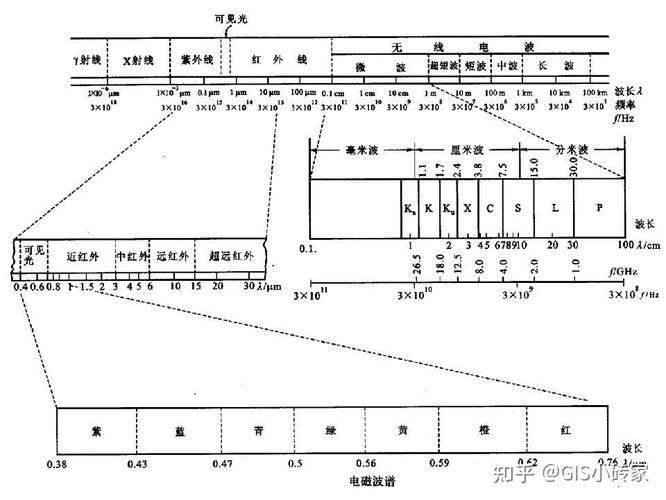
Microwave means an electromagnetic wave with a frequency of 300 mhz ~ 300 ghz. It is the abbreviation of a limited frequency band in a radio wave, i. E. An electromagnetic wave with a wavelength of 1 m to 0. 1 mm. It is the synonym of a metre wave, centimetre wave, millimeter wave, submillimetre wave. Microwave frequencies are higher than normal radio waves and are commonly referred to as uhf electromagnetic waves。
2. Microwave nature
The basic nature of microwaves is usually expressed in three characteristics: permeability, reflectivity and absorption. The glass, plastic and ceramics barely absorb microwaves, water and food absorb microwaves and heat themselves, and metal-like objects reflect microwaves. Microwaves as an electromagnetic wave have a wave particle diaphragm. Microwave transmission meets optical principles and is distributed in a straight line. Microwaves have the following important characteristics from both an electronic and a physical point of view。
(1) permeability
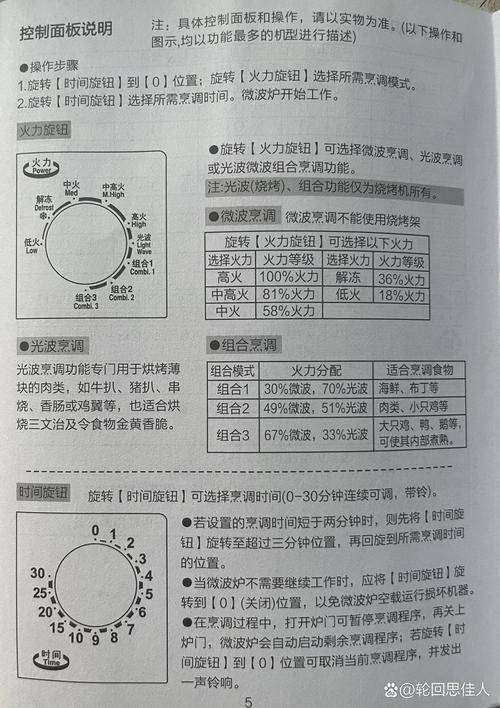
Microwaves are much longer than other electromagnetic waves used for radiation heating, such as infrared, far infrared, and therefore have better penetration. When microwaves penetrate the medium, as a result of some interaction between microwave energy and the medium, for example with microwave frequency 2450 mhz, it can produce 2450 million vibrations per second among the molecules of the medium, friction between the molecules of the medium, increase the temperature of the medium, heat up the temperature almost simultaneously within and outside the material of the medium, create a heat source state, significantly reduce the heat flow time in the conventional heating, and evenly heat up the material when the medium loss factor is related to the temperature of the medium. Microwaves are therefore used extensively in engineering, as follows:
• microwave (especially centimetre wave) signals can penetrate the ionosphere and open the cosmic window for people to explore outer space
• microwave penetration through clouds, vegetation, snow and surface layers, with all-weather capacity, is an important means of remote sensing technology
• microwave penetrators of living tissue, which is an important method of medical hyperthermal therapy
Microwave penetration through plasma is an important means of plasma diagnosis and research。
(2) selective heating
The ability of the substance to absorb microwaves is largely determined by its medium loss factor, which is greater for the substance with the mass loss factor; on the contrary, it is less able to absorb microwaves for the substance with the small factor. Owing to differences in the consumption factors for substances, the use of microwave heating is characterized by selective heating. Thermal effects vary from substance to substance. Aquatic molecules are polar molecules with a high medium loss factor and a strong absorption capacity for microwaves. Media loss factors, such as proteins and carbohydrates, are relatively small and have much less absorption capacity for microwaves than for water. Thus, for food, the amount of water content has a significant impact on microwave heating。
(3) small heat inertia
Microwave-to-media materials heat up instantaneously and at a rapid rate. In addition, the output power of microwaves can be adjusted at any time, and the temperature of the medium can be changed without inertity, without the phenomenon of “excess heat”, which greatly facilitates the need for automatic control and continuous production。
(4) optimism and soundness
Microwave wavelengths are very short, are relatively small in size (e. G. Aircraft, ships, cars, buildings, etc.) compared to the average objects on earth, or are of the same magnitude, so microwave characteristics are similar to geometric optical, i. E. So-called photometric, so that the use of microwave work can reduce the size of circuit elements, make the system more compact, produce small size, beam, directional, high orientation, high value-added antenna systems, receive weak signals reflecting back from objects on the ground or in space, and thus determine the location and distance of objects and analyse the target characteristics。
Because microwave wavelengths are of the same magnitude as objects (radio equipment in laboratories), microwave characteristics are similar to acoustic waves, i. E. So-called acousticity. For example, microwave wave conductors are similar to acoustic microphones, horn antennas and suture antennas are similar to acoustic horns, xiao and flutes, and microwave hymns are similar to acoustic echoes。
(5) non-ionism
The energy of the microwave quantum of 1. 99 x l0-25 ~ 1. 99 x 10-21 j is not large enough to alter the internal structure of the material molecule or the inter-destructive key. However, except for some substances, such as microwaves, where waste rubber can be reclaimed, molecular keys to waste rubber can be modified by microwaves. In addition, many of the resonance phenomena that occur at molecular atomic nuclei under the cyclical force of the additional electromagnetic field take place in the microwave range, thus providing an effective research tool for exploring the internal structure and underlying properties of the substance, thus forming an independent microwave spectrum。
(6) informational
Because of the high frequency of microwaves, the frequency bands available in the case of relative bandwidth are wide, reaching hundreds or even hundreds of gigahertz. This is an incomparable low-frequency radio wave, which means that microwave information capacity is high, so mobile communications, multi-road communications, image transmission, satellite communications, etc. Are almost invariably operating in microwave bands. In addition, microwave signals can provide phase information, polarized information and doppler frequency information, which is important in applications such as target detection and remote sensing target characterization。