Social co-governance
End aids
Take the rights path
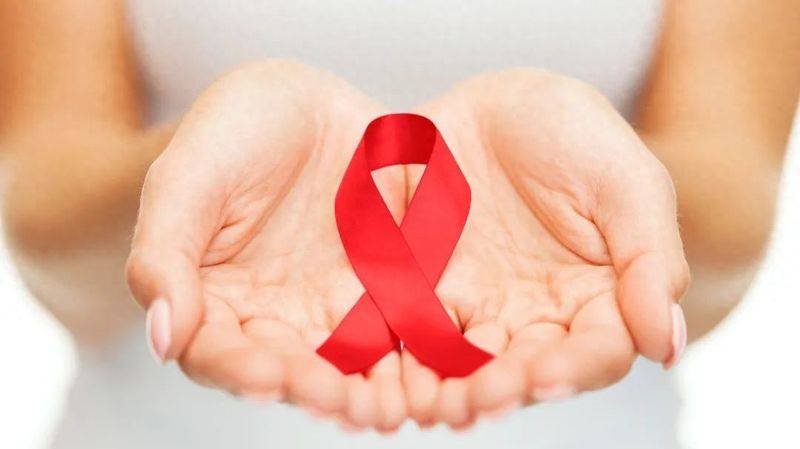
On 1 december 2025, the 37th world aids day, the theme of our campaign this year was “community of societies, upholding innovation and ending aids”。
The fight against aids is not only a medical issue, but also a social one, requiring the involvement and support of society as a whole to build a healthy society free from the threat of aids。
Understanding aids
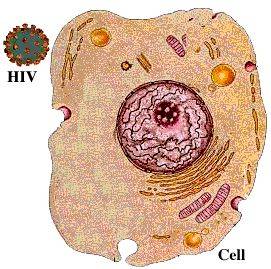
Aids is the acquired immunodeficiency syndrome (acquired immunodeficiency syndrome), whose pathogens are human immunodeficiency virus (hiv), also known as hiv. When hiv enters the human body, it primarily violates cd4+ lymphocytes in the human immune system and is constantly replicated in the body, gradually disrupting the human immune function, causing infections and tumors. Aids is a major infectious disease with high levels of vulnerability and mortality. It is currently incurable, vaccine-free and one of the major public health problems affecting public health。

Human immunodeficiency virus
Hiv
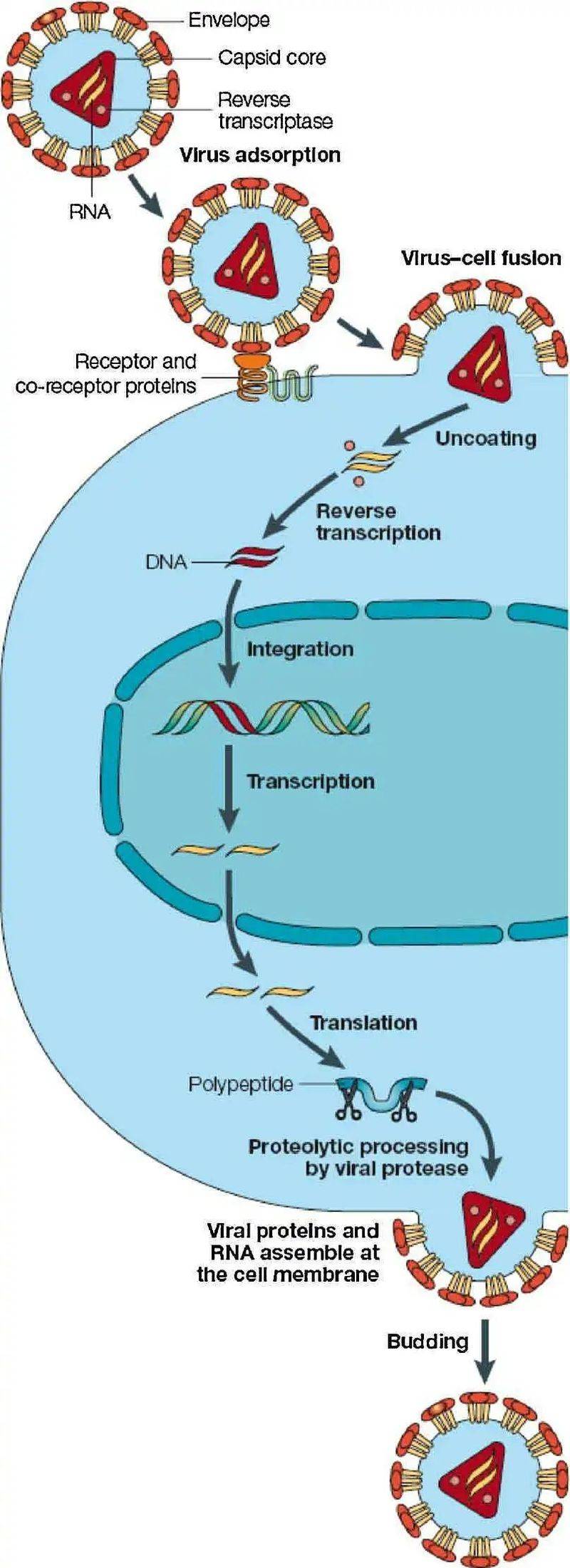
Hiv can be divided into two serotypes: hiv-1 and hiv-2, of which hiv-1 is the main global epidemic. The hiv-2 epidemic is endemic mainly in sub-saharan africa, with china using hiv-1 as its main strain。
Living environment
Hiv has a very poor ability to survive after leaving the body. At constant temperatures, hiv can survive only for hours in in vitro blood; it is difficult to survive in dry environments; hiv is sensitive to the heat and loses its activity 30 minutes under conditions of 56 °c, and 100 °c is processed 20 minutes to be completely neutralized. Common disinfectants, such as alcohol and chlorine, have good effects on hiv。
Hiding status
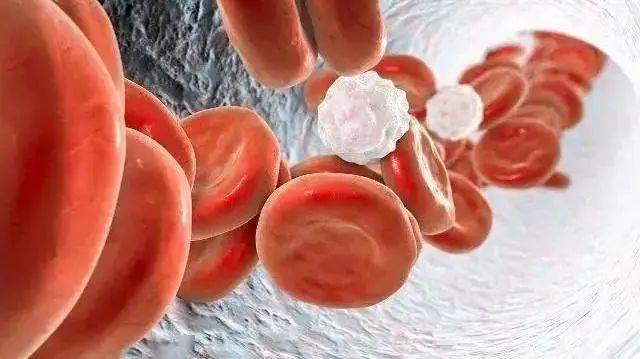
Although less resistant to the outside world and the sterile environment, hiv, when it enters the human body like a latent “enemy army”, mainly infringes on the immune system of the human body, including cd4+t lymphocytes, mononuclear lymphocytes, etc., as evidenced by the decreasing number of cd4+t lymphocytes, which eventually leads to human cell immunisation deficiencies and a gradual reduction in immunity, leading to opportunistic infections and tumors. Failure to provide timely treatment can result in death due to serious opportunistic infections and tumours. In addition, hiv infection leads to an increased risk of diseases such as cardiovascular disease, bone disease, kidney disease and incomplete liver function。