One, what's big data kill? You're probably already hit
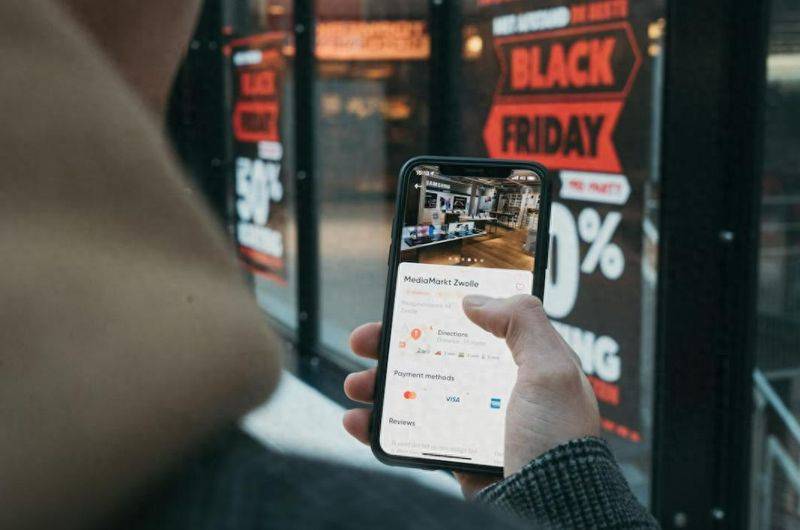
The morning takeout, the same package, you pay $35, friends only $28
When you book a hotel, the old user costs 20% more than the new user
Driving software, the same distance, your phone shows a higher price..
It's not a delusion, it's a big data kill。
The platform uses your consumption habits, your ability to pay, even your cell phone model to customise your "exclusive price". The more faithful the user, the easier it is to be cut。
Ii. The state has taken action! It is explicitly prohibited to discriminate by algorithm
Since 2025, the superintendence of markets has repeatedly stressed the need to combat "big data killing" severely. According to the latest provisions:
The personal information protection act: no unreasonable discrimination based on personal information
Consumer protection act: consumer's right to fair trade
Electronic commerce act: the platform should provide a fair and equitable trading environment
Regulation on the regulation of recommendations for internet information services algorithms: no price discrimination by using algorithms
Focus: the new 2026 regulations are further clarified and the platform must:
- express algorithm rules
- provide options that do not target personal characteristics
- establishment of a fast-track mechanism for processing price complaints
Iii. The economic environment makes it easier to cover the wallet
In the current economic environment, every penny is spent on a knife. Big data scrambling seems to cost only a few more dollars at a time, but could cost thousands more a year。
According to a consumer association:
- the "killed" price difference for the delivery platform: average 15-30%
- hotel booking for "killing" differential: average 20-50%
- driving software "killing" price difference: average 10-25%
Four, five practical ways to teach you to avoid price traps
Multiplatform price [method 1]
Don't use only one app! The same service, it's probably much worse on different platforms。
Operational recommendations:
• outgroves: beauty groups, hungry groups, shivering groups at the same time look
• taxi: drops, goth, t3
• hotels: check all travels, corps, flying pigs, official little procedures
Small technique: comparing prices with family mobile phones (especially with very few billed accounts) often leads to surprises。
"method 2" and "new devices."
The platform will be priced according to your browsing history. Try:
• browser opens the "no trace mode"
• clear the app cache before searching
• occasionally, new registrations are used to place orders
Don't be too loyal
Sounds sweet, but a modest "minority" saves money:
• not always on the same platform
• occasionally forget the usual app
• new users will give a discount to the placard
[method 4] focus on price volatility
Prices vary considerably from time to time:
• out-sale: avoid food peaks, advance or delay orders
• carjacking: pre-peak appointment, or error okay
• hotels: working days vs weekends, pre-arranged vs that day
[method 5] keep the evidence and be brave
If found to be "killed":
1 succeeding: same time, different prices for the same commodity
2. Channels of complaint:
- platform service (internal complaints first)
- 12315 consumers hotline
- complaints by the network of officials of the general directorate of market supervision
- a third-party platform for black cat complaints
3 claim for compensation: "refund to three" may be claimed under the dismissal act
Five, these aren't "killing." don't get me wrong
Not all price differentials are "killed." the following are normal:
Member discounts: fee-paying members benefit legally
New person preferences: platform subsidy for new users is a marketing strategy
Dynamic pricing: price fluctuations (e. G., peak-duking) due to supply-demand relationship
Discrepancies in coupons: various users receive different coupons
Key criteria: is there an unreasonable difference in treatment based on your personal information。
Vi. Final
Big data scrambling is essentially the product of information asymmetries. The platform has all your data, and you don't know anything about pricing mechanisms。
The new regulations were good, but the best way to protect themselves was to raise awareness。
Remember this sentence: in the face of algorithms, modest disguise and price are not cheap, but intelligent。