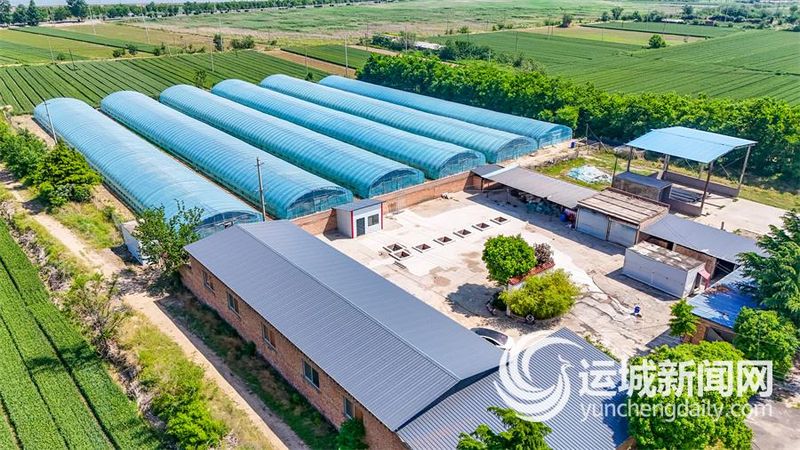
In the early summer, the warm wind passed over the land of kashi in xinjiang, with an arch shed, a greenhouse greening up, peppers full of branches and beans full of vines and vines. Growers travel through the sheds to pick and sort, and a bag of fresh vegetables is sold out of the car. During the first half of this year, the area under vegetable cultivation in the xinjiang kash region reached hundreds of thousands of acres, an increase of 2. 1 per cent over the same period。
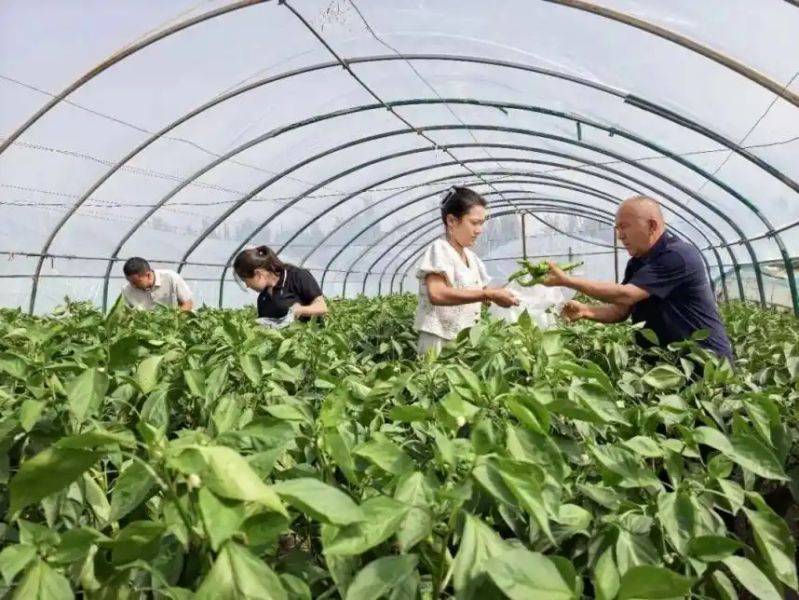
In the chili shed, farmers are picking chili. Reporter rymuk, kash region media center
On 5 june, the villagers of the village of tugbesh, municipality of ahwati, kash district of xinjiang, went into their home, where they were crouched and picked, and later piled five or six bags of chili at their feet. “all purchasers pre-ordered them and removed them early.” he's alive, and he's keeping his mind clear。
In 2019, it was the seventh year of the first attempt to plant vegetables in the shed. He is now in charge of five chili huts and has sold over 22,000 chili at the moment, which lasts until july. Once the pepper is collected, the beans are replanted and a shed has a steady income of $9,000 a year. Every year, the land is released in full benefit and the benefits continue to be good。
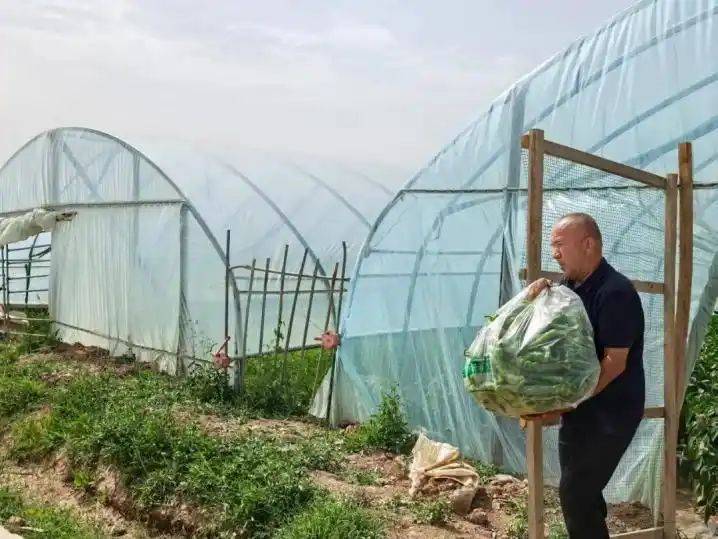
Too much exterior matignaz is packing chili. Reporter rymuk, kash region media center
In the village of tugbéhi, almost all 68 huts in the village grow screw pepper, which is a real gain to the eyes of the villagers. The relevant officials in the village of tugbesh, municipality of awati, kash district, xinjiang, said: “croping can earn money from the full complement of the village committees and the village task force. The team provided a subsidy of $0. 4 at a cost of $0. 01 to the villagers; the rags were damaged and replaced in a timely manner, and the village technicians often came to the shed to provide hands-on care and maintenance skills, with guaranteed quality. Now there's nothing to sell. There's nothing to supply.”
A thousand miles of the world. There was also a harvest in the arch shed in pawan ayzyk village, the town of ingisha. “this year, the soybeans are particularly strong, and the market is ready for collection until the fall.” the villager ismaili elken said. Last year he planted three archbean beans, each of which made more than 4,000, and this year he was able to grow directly to five, which, according to the current purchase price, is worth 20,000。
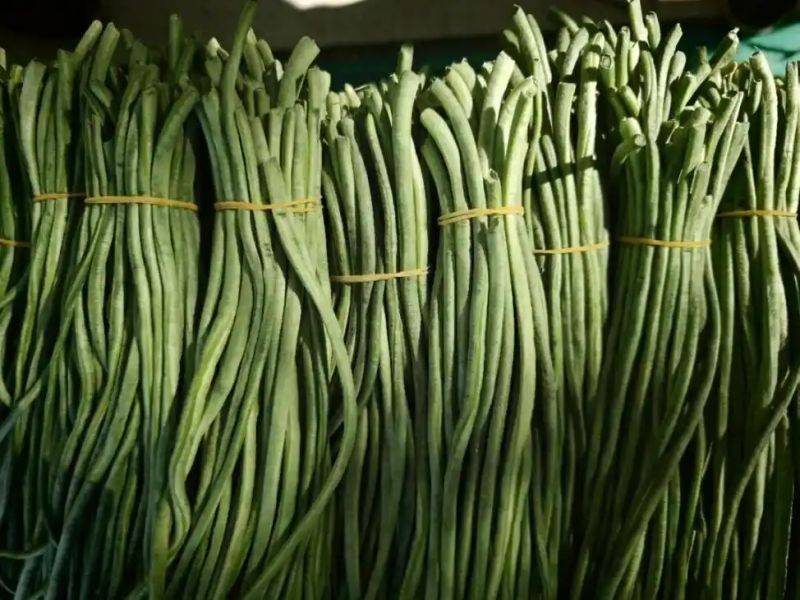
Fresh beans
The story of a growing family reflects the full picture of the flourishingkash vegetable industry. A small shed carries with it the expectations of farmers to be productive. In xinjiang, a series of agricultural support initiatives, such as seedling subsidies, technical guidance and road security, have been put in place in various parts of kashi, with a steady increase in the vegetable industry and a steady rise in the number of families living a full life。
Editor, xinjiang journalist station, china daily, mao waihua, correspondent, rymugu, eskell semati, external power