Our body has 206 bones. Together they form the skeletons of the body structure, protect the vital organs of our bodies such as the brain and the heart, and give muscle the ability to move。
Without bones, the human body would be an unconstructed, unmoveable meat mass。
1. Bones
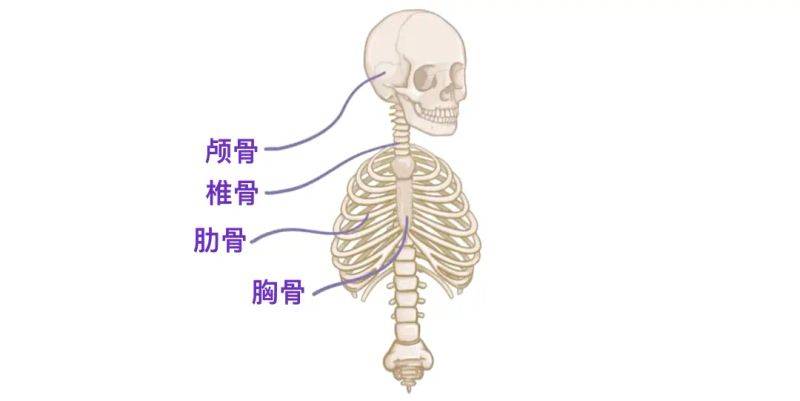
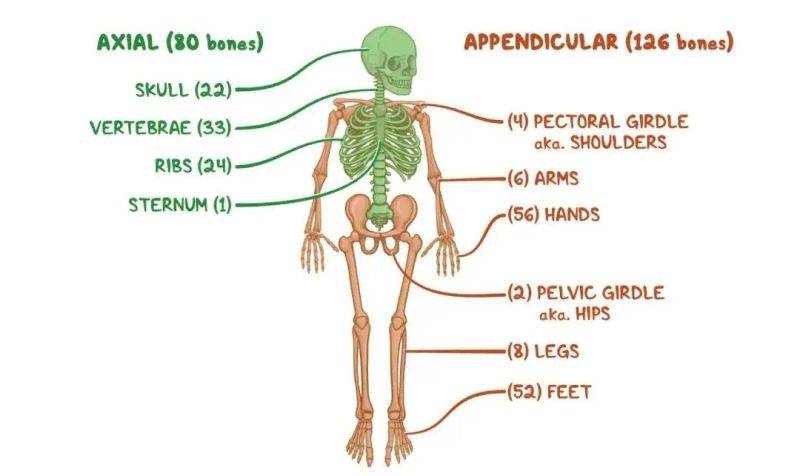
Usually, bones can be divided into mid-axis and adjoining bones。
The middle axle bone consists of bones distributed vertically along the body. It consists of 80 bones: 22 bones forming the skull, 33 vertebrates, 24 ribs and one rib。
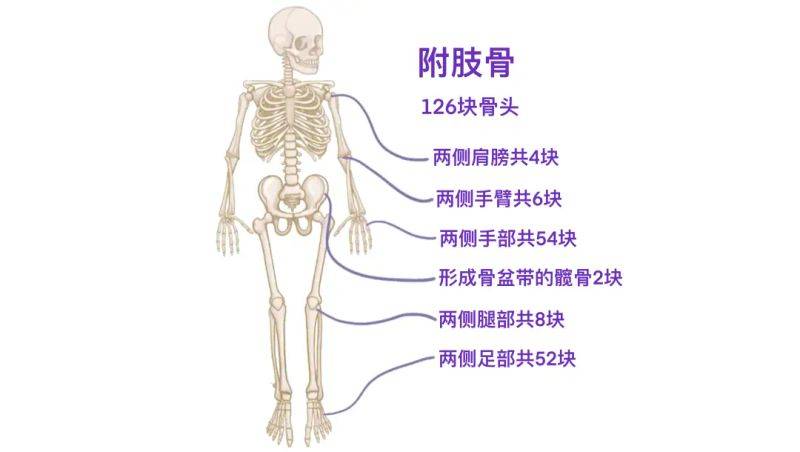
The prosthesis is composed of four limb bones and bones connected to four limbs and central axles, such as pelvis and shoulder cheekbones。
The prostheses consist of approximately 126 bones: four on both sides of the shoulder, six on the arm, 54 on the hand, two on the pelvis, eight on the leg and 52 on the foot。
Bones type
Five types can be classified according to their appearance: long bones, short bones, flat bones, seed bones and irregular bones。
2. 1. Long bones
Long bones are broadly rectangular in shape and are located in four limbs, including abrasions of the arm, abrasions, stairwell bones, as well as the palm and finger bones of the hand and finger。
Long bones also include femurs, gills, femurs, as well as gills and toes of feet and toes。
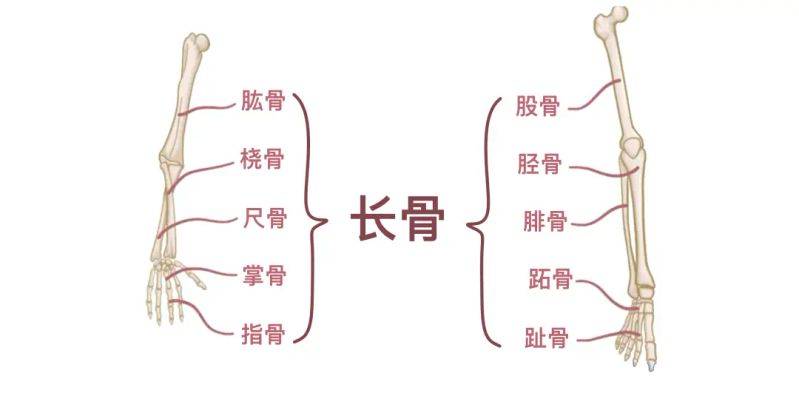
In childhood and adulthood, the continued growth of long bones determines your height。
2. 2. Short bones
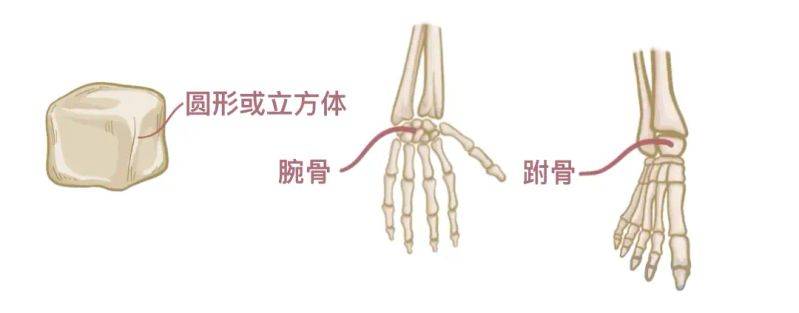
Unlike long bones, the length and width of short bones are similar, which gives them a circle or cube look. They include wrist bones and ankles; their primary function is to support the hand and foot。
2. 3. Bones
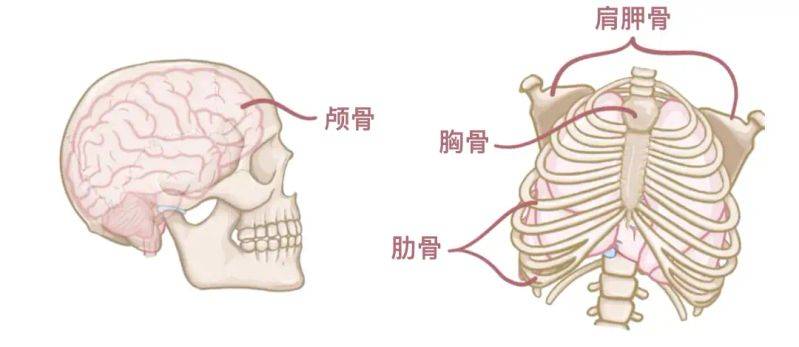
The flat bones belong to thinner bones, some of which are crooked. They include skulls, shoulder ribs, ribs and ribs. Their main role is to protect important organs of the body as “armoured”, such as skull protection, chest and ribs protection, and lungs。
2. 4. Seed bones
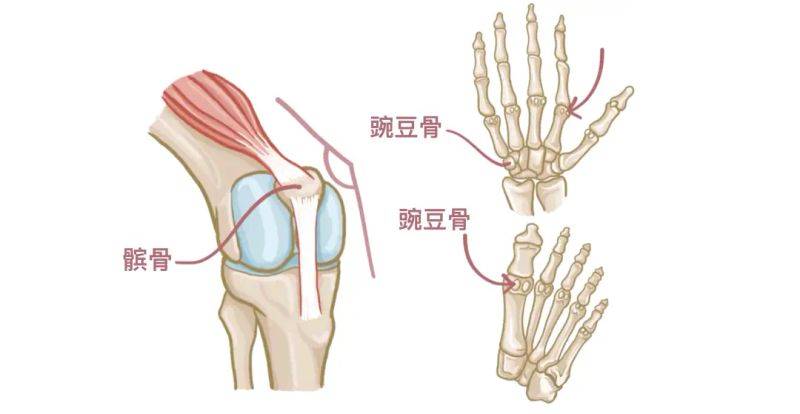
Seed bones are embedded in the muscular, shaped like huge sesame seeds. Most of the seed bones are found in the hand-and-hand joints and the toes of the feet。
The larger seedbones include peabones and gill bones (kneecaps) from the wrist。
Seed bones increase the angle between bones and muscular muscles, making muscles more leveraged. Seed bones also provide support to protect mussels from wear and tear。
2. 5. The irregular bone
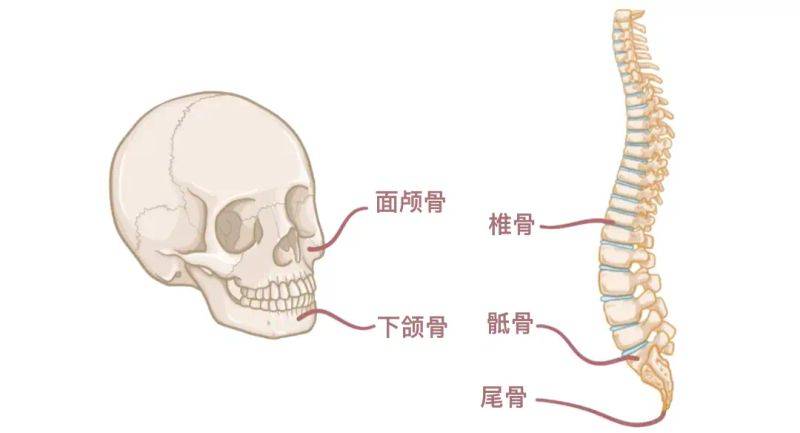
The last type of bone is an irregular bone, mainly one that is not suitable for any of the above categories. They include cranial bones, lower cheekbones, vertebrae of the spine, as well as gillbone and tailbone。
3. Surface form of bone
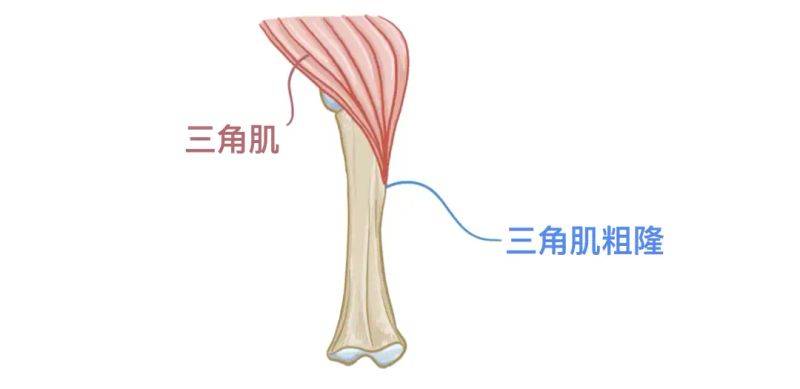
Some bones have surface forms to help them function. For example, a tiny skeletal knot is used as a muscle attachment。
Big knots are known as coarse, for example, the trigonometry attached to the trigonometry is the muscular fibrosis。
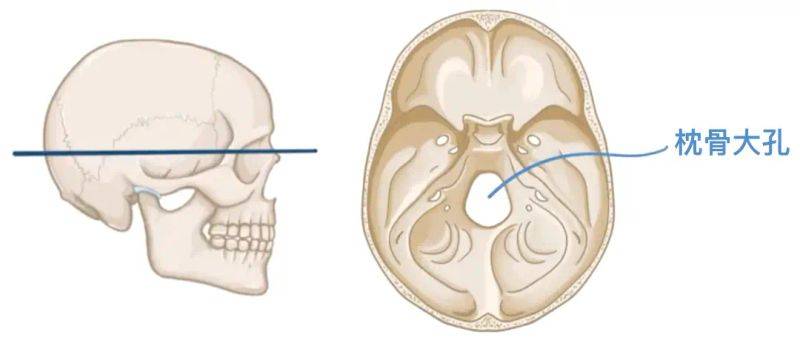
The hole in the bone is known as the hole, which allows for an vein or a nerve to cross. For example, the pillow hole of the pillow bone allows the spinal cord to pierce the skull。
Bone can also have a pipe, which is a tunnel within the bone that allows for the vascular nerve and other structures to pass through. For example, the optic neural tube of the butterfly bone allows the optic nerve to go from brain to eye。
The other name of the hole is “dove”, such as the outside of the ear, which is located in the cheekbone, causing the sound to reach the drumming。
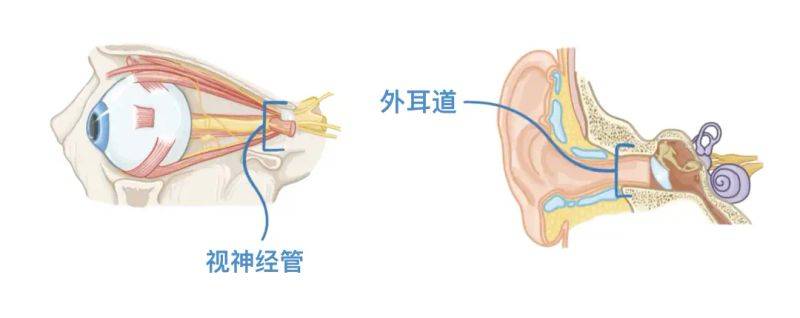
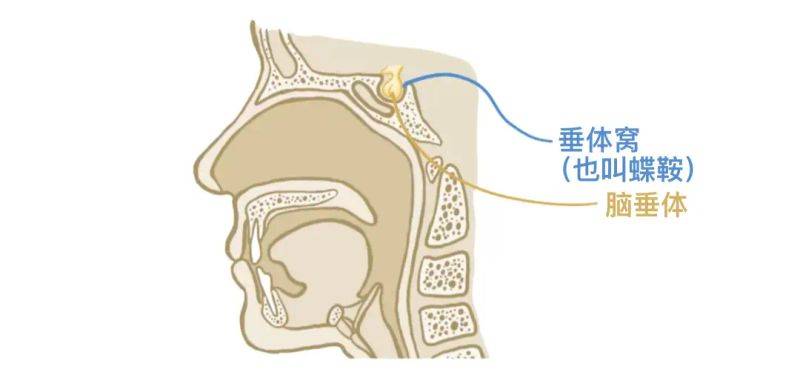
Some bones have dents in the inside of the bones, called nests, where other structures, such as the acreage of the butterfly bones (also known as saddles), are present, like a seat for the pituitary to rest。
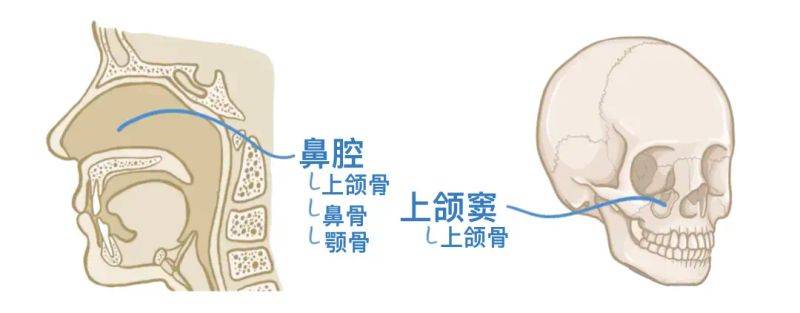
Similarly, the cavity and cavity refer to gaps in the formation of a bone or bones fusion; for example, a nasal cavity consisting of an upper cavity, a nasal bone and an osteoporosis within the upper cavity。
4. Bonestology
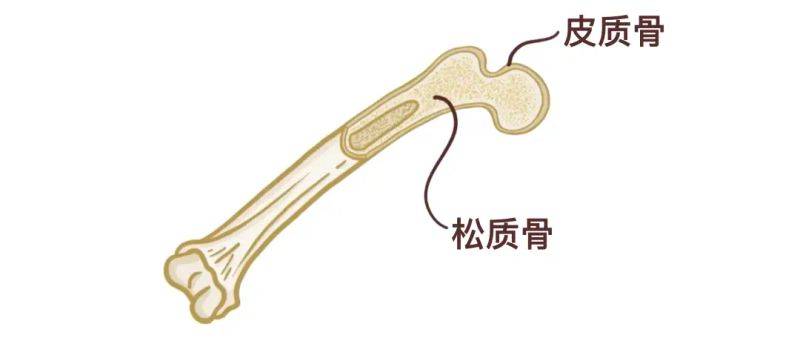
The internal structure of all bones is similar, so if we make a fracture of a bone, we can see that it has a hard outer cortical bone and a soft inner pine bone that looks like a beehive。
The cortical bone is covered by a fibrous conjunctive tissue bag called the bone film. The bone is the part of the muscle, the muscular cord and the ligament。
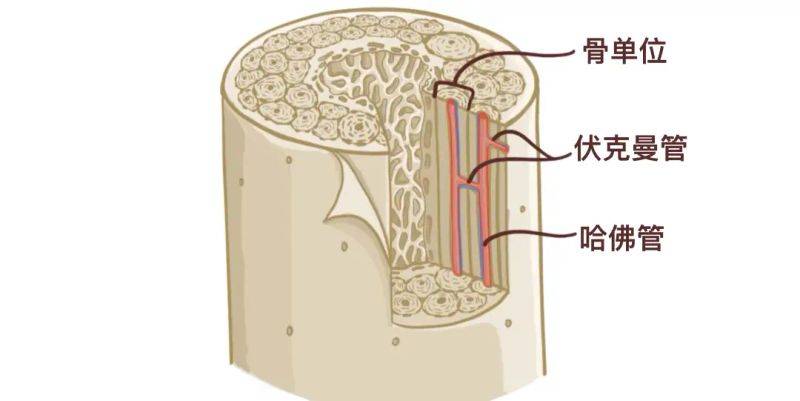
If we zoom in on the cross-section of the cortex, we can see that it is made of many structures that look like pipes and walk along long axes of bones called bone units。
Each pipe has a central cavity called the haft tube, which accommodates the blood vessels and nerves of the bone supply unit。
The adjacent bone unit is connected through a horizontal channel called the volkman tube, which carries a small vein of the main vascular branch。
5. Bone cells, bone cells, broken bones
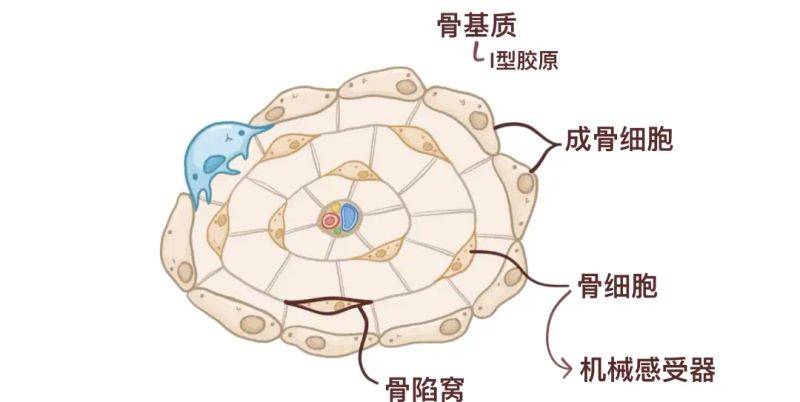
The thick wall of the bone unit consists of a concentric circle, a close pile of layered skeletons. The bone matrix consists of gelatine type i and is reinforced by hydroxyl phosphate, a mineral consisting of calcium and phosphate, among others。
The bone unit is surrounded by a circle of cells called musculoskeletal cells that synthesize the adhesive adhesive proteins of type i and hydroxyl phosphorus and form a new skeleton layer。
Some of the skeletal cells are buried in new osteoplasmic layers and mature into bone cells in small cavities called bone densities。
Osteocellular cells are less capable of synthesizing the skeleton than the musculoskeletal cells; unlike skeletal cells, the bone cells are not divided。
On the contrary, bone cells become mechanical sensors for detecting stress and damage and help control the process of remodeling when old bones are broken and replaced by new bones。
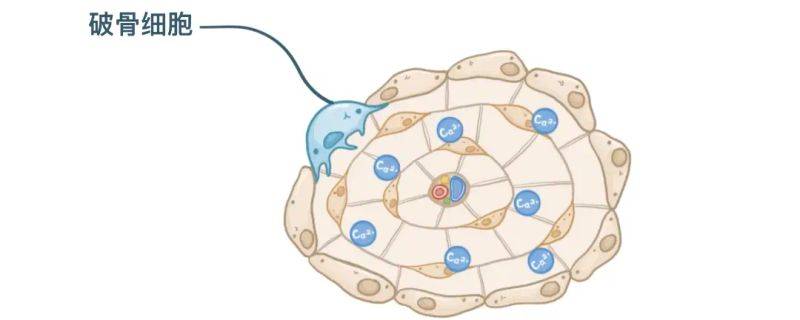
And it's found in the musculoskeletal cells. It's called broken bones。
Osteoporosis helps to destroy the enzymes of the bone matrix and releases calcium and phosphate from hydroxyl phosphate to blood. This has worked very well in the remodelling of the bones, as well as when calcium levels are low, because bones are considered to be places where large quantities of calcium are stored。
Pine bones
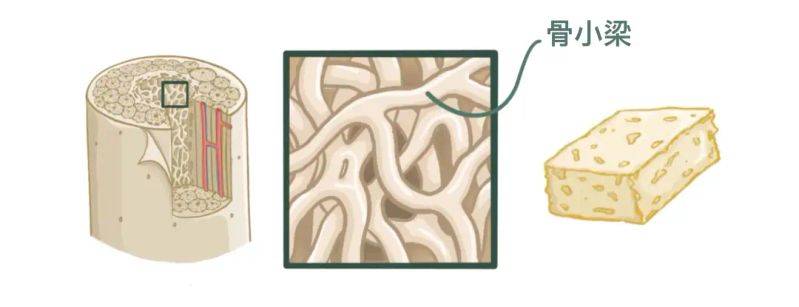
Under a hard cortical bone is a pine bone, or a beam bone。
The pine bones consist of components similar to those of the cortical bones, but their organizational structure is more lax - consisting of a network of pole-shaped branches called sorghums. This makes the pine bone less and softer than the cortical bone density and gives it a hole-filled look like a sponge。
7. Bone marrow
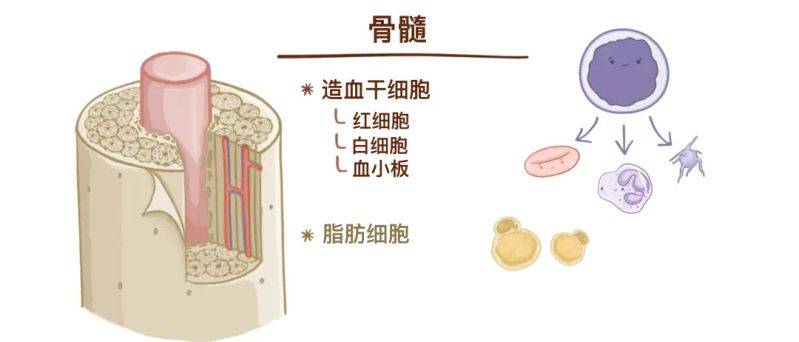
Inside the pine pelvis is bone marrow. The bone marrow consists of a mixture of stem blood cells that eventually divide into red cells, white cells and platelets。
The bone marrow also contains fat cells that store fat -- an important source of energy。
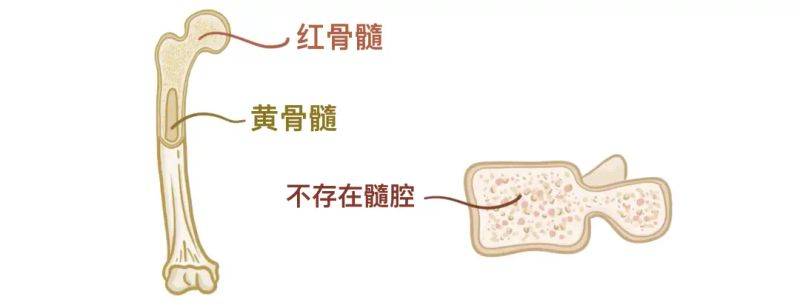
The bone marrow can be divided into red marrow and yellow marrow. The marrow contains most blood cells, while the marrow contains a higher proportion of fat cells。
In the bones that form the limbs, such as the femur, the red marrow is mostly at the end of the bone, while the bone stem contains the marrow that fills the marrow。
In contrast, the marrow cavity does not exist in the bone that forms the central axle, most of it filled with red marrow。
Summary
The human skeleton consists of approximately 206 bones divided into mid-axis and adjoining bones。
Bones can be divided into long bones, short bones, flat bones, seed bones and irregular bones。
Bones are given outside the body, protecting internal organs and moving the body. They also produce slabs, red cells and white cells, while serving as repositories of calcium and phosphorus。
Each bone has an outer layer made up of hard osteoporosis and an inner layer made up of soft mosaics。
The marrow is in the pine and the marrow is mainly in the long bone marrow cavity。