South korea’s export industry has recently been under constant pressure, under the double pressure of us tariff shocks and high korea’s won position. According to the korean daily asia, on 3 december, south korean automobile exports are expected to decline for the first time in five years in 2025, and other industrial exports to the united states are also stagnating or even “zero” due to white house tariff policies. The overall vulnerability of south korean exports was further highlighted by the fact that the exchange gains that should have been generated by high exchange rates were partially offset by industrial restructuring。
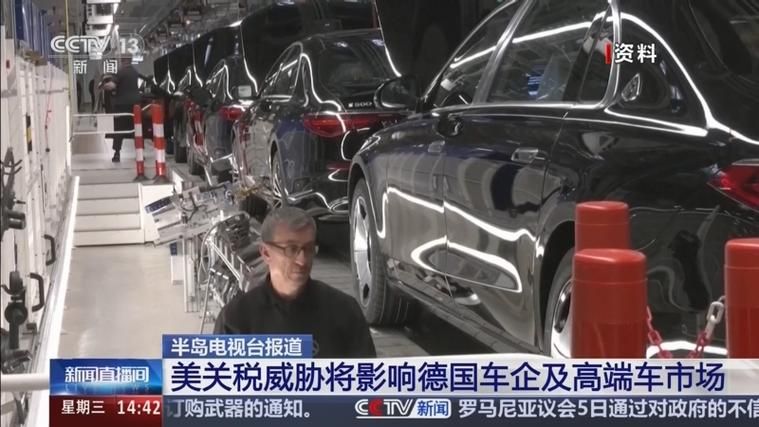
The korean association of car mobile industries projects that south korean automobile exports this year range from 2. 71 million to 2. 72 million, a decrease of 2. 3 to 2. 6 per cent compared to last year, the first decline since the new crown disease in 2020. From january to october this year, korea exported 1,17. 46 million vehicles to the united states, accounting for 49. 1 per cent of total exports, a decrease of 7. 9 per cent. While exports to the european union, central and south america and africa have increased, they have not been sufficient to offset the downward pressure on the united states market. According to korean media reports, modern motors opened its third production base in georgia this year. With the expansion of localized production in the united states, the republic of korea's domestic whole-car exports to the united states decreased accordingly. The korean media warns that the long-termization of united states tariff policy and protectionism is increasing uncertainty about south korea’s exports next year. Although the korean-american tariff agreement has lowered the united states-to-united states tariff from 25 per cent to 15 per cent, the business burden has increased significantly compared to the previous “zero tariffs”. Industry has pointed out that this year, the modern automotive group, in order to stabilize exports, may, despite downward pressure on business profits, transfer some of its tariffs to consumers next year。
Many other industrial products in korea have also been hit by united states tariffs. According to korea's central daily news, a south korean firm exporting bolts and nuts to the united states has been exporting “zero” to the united states since june this year. As a result of tariffs imposed by the united states on south korea steel, united states clients stopped their orders, resulting in the long-term detention of company products worth 2 billion won (1,000 won or about 4. 8 yuan yuan) in dock warehouses. Similar cases are common, and an elevator manufacturer in korea is suffering from tariff problems. The company disclosed that the united states importer had returned the goods on the basis of customs duties, even requiring the korean side to “pay on behalf”; that a korean food export company had been subject to a 200 per cent tariff and a “punitive additional duty” on the basis that the packaged aluminium component had been declared “russian production” when it declared its customs duties; and that a mechanical export company had suffered significant losses due to the fact that the timing of its arrival coincided with the effective date of the customs duty, which rose sharply from 10 per cent to 25 per cent。
Since this year, there has been a surge in the number of cases in which korean enterprises have sought assistance from the public tariff advisory centre for the revitalization of korean trade and investment. From 18 february to late november, the centre received 7722 consultations, of which 5383 were tariff recognition, and the concentration of consultations following the announcement of tariff adjustments by the united states and the end of the buffer period highlighted the high level of confusion that enterprises were experiencing as a result of the lack of transparency and frequent changes in united states standards for customs clearance。

At the same time, south korean exports face a very different situation than in the past as a result of the fluctuations in the level of the korean dollar. According to the korean economy, the traditional pattern of high-exchange-rate exports is weakening. Many enterprises have responded that unpredictable exchange rate fluctuations have had a full impact on production plans, investment planning and cost structures. High-cost dollar clearing industries, such as oil refining, steel and aviation, were the most affected. According to korea's daily economy, oil refineries import more than 1 billion barrels of crude oil per year, and every 10 won increase in exchange rates will result in losses of about 100 billion won. Sk innovation states that if the exchange rate rises by 10 per cent, its pre-tax profits will be reduced by 15. 4 billion won. Korea airlines claims that each exchange rate increase of 10 won would result in a loss of 48 billion won in foreign exchange. Iron and steel companies are equally burdened, and pucho iron has revealed that if the exchange rate rises by 10 per cent, net profits will be reduced by 54. 8 billion won。