Centrifugal machines are an experimental vessel commonly used in laboratories that separates solid particles or liquids from liquids by acting as centrifuges. However, in the use of centrifuges, we need to pay attention to some of the techniques and care to ensure the accuracy and safety of the experiment. This paper will present the centrifuges ' attention skills to help readers better understand and use the centrifuges。
I. Selection of suitable centrifuges
When selecting centrifuges, we need to consider the need for experiments and the nature of samples. Different types of centrifuges apply to different experimental purposes, such as high-speed centrifuges for the separation of trace samples and hypervelocity centrifuges for large-volume samples. In addition, factors such as the speed range of centrifuges, temperature control functions, etc. Need to be considered。
Ii. Proper installation of centrifuges
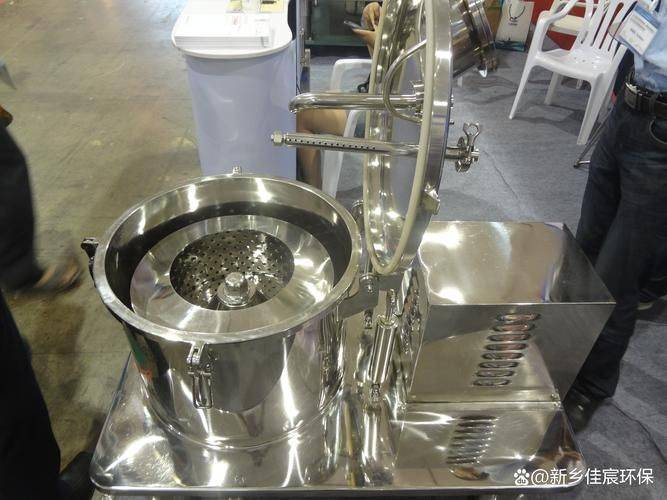
Before using centrifuges, we need to install them correctly and ensure their stability and balance. First, the centrifuge should be placed on a flat surface and ensure close contact at the bottom of the centrifuge. Second, rotors and sample tubes should be properly installed according to the instructions for the use of centrifuges. During the installation process, care should be taken to symmetry and balance the rotor and sample tube in order to avoid instability and danger associated with high-speed centrifuge rotation。
Iii. Reasonable selection of centrifuge parameters
When using centrifuges, we need to make reasonable selection of centrifuge parameters, such as rotation speed, centrifuge time, etc., based on the requirements of the experiment and the nature of the sample. High rotation speeds or long centrifugal periods may cause damage to samples, while low rotations or short centrifugal periods may not have the effect of separation. We therefore need to adjust to the needs and characteristics of the experiment to ensure its accuracy and reliability。
Note the balance of centrifuges

When using centrifuges, we need to be mindful of the centrifuge balance. If the centrifuge is unbalanced, it may cause the centrifuge to shake, make too much noise and even damage the centrifuge. Therefore, before using a centrifuge, we need to check the centrifuge balance and adjust it as needed. In addition, when loading samples, it is necessary to ensure that the quality and quantity of the sample tube is evenly distributed in the rotor to avoid the centrifuge imbalance。
V. The safe use of centrifuges
The centrifuges are dangerous at high speed, so we need to be careful about their safe use. First, ensure that the centrifuge covers and locks are intact and remain closed and locked throughout their use. Secondly, it is important to avoid the opening of the lid or the stopping of the centrifuge when the centrifuge operates, so as to avoid accidents. In addition, attention should be paid to the dispersion and ventilation of centrifuges to avoid overheating risks。

In summary, the use of centrifuges requires attention to the selection of suitable centrifuges, the correct installation of centrifuges, the rational selection of centrifuge parameters, the balance and safe use of centrifuges. Only with these attention and use skills can we make better use of centrifuges for experiments and improve their accuracy and reliability。
Heading: centrifugal techniques and attention, aid experiments accurate and safe