Gay men do not necessarily know where angola is, but it is likely that they have heard of “angolan bark”. A resourceful and generous country. After colonization and war, it is now recovering with the oil economy as an engine, with its original natural wonders and a strong colonial history, and is an undervalued travel secret on the african continent. Today, take you into this powerful country。
General
The republic of angola is a republic with a presidential republic in south-western africa with an area of 124. 67 million square kilometres and a population of approximately 379. 9 million, the official language of which is portuguese. The country, rich in oil and diamonds, is a major oil exporter in sub-saharan africa。
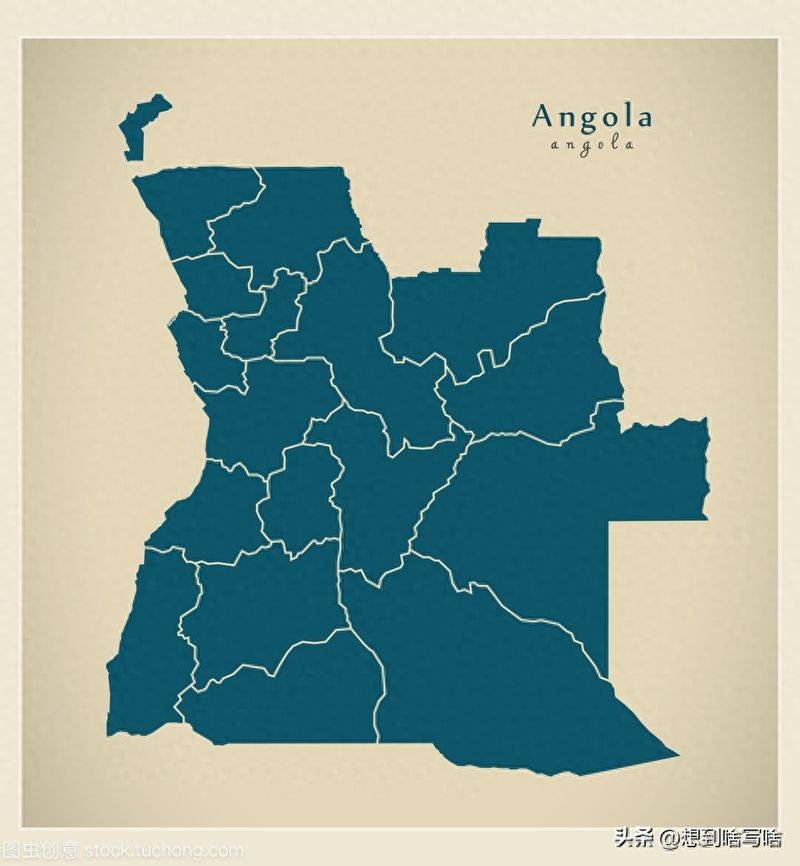
Map of the republic of angola
Geographical location
Angola is located in the south-west of africa, which is bordered by the atlantic ocean, with a coastline of 1650 kilometres; in the north by the congo (b), the democratic republic of the congo (kdr), in the east by zambia, in the south by namibia and in the north by the enclave of cabinda province。
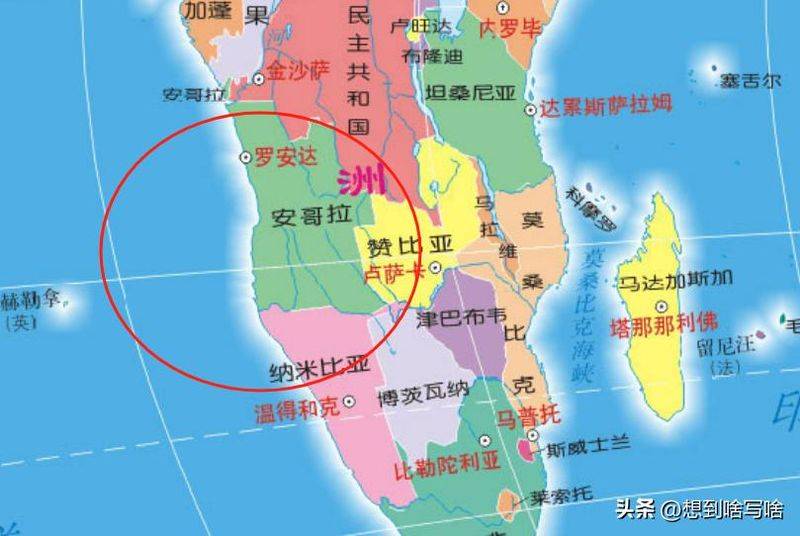
Geographical map of angola
Flag
The angolan flag is a red, black and cross-coloured flag with a long width ratio of 3:2. The red symbol of the blood and the spirit of defence that flowed in the struggle for independence, black represented the african continent; the central gold cross gears and machetes, which symbolized workers and farmers, respectively; the pentagram of internationalism and progress; and the five corners of solidarity, freedom, justice, democracy and progress, which were officially launched in 1975 when independence took place。
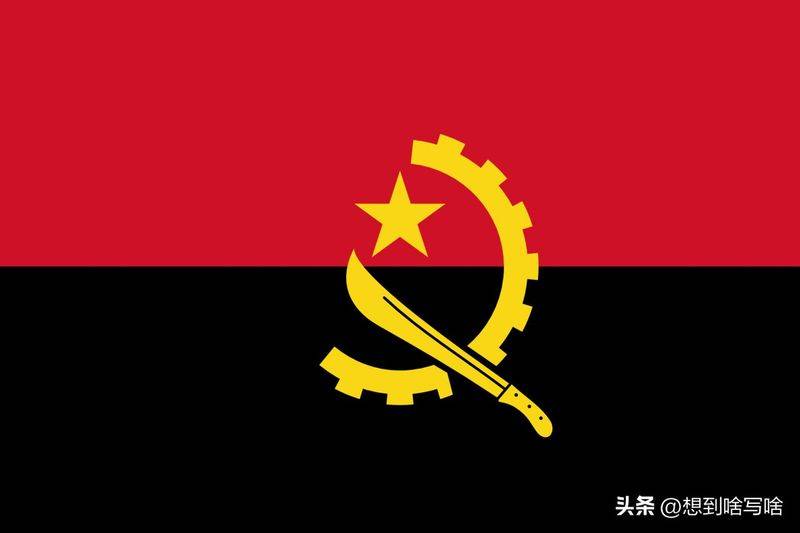
Angolan flag
Capital
Luanda, angola's capital and largest city, with a population of approximately 8. 81 million, is located along the atlantic bay of bengo, a national political, economic, cultural centre and the largest seaport。
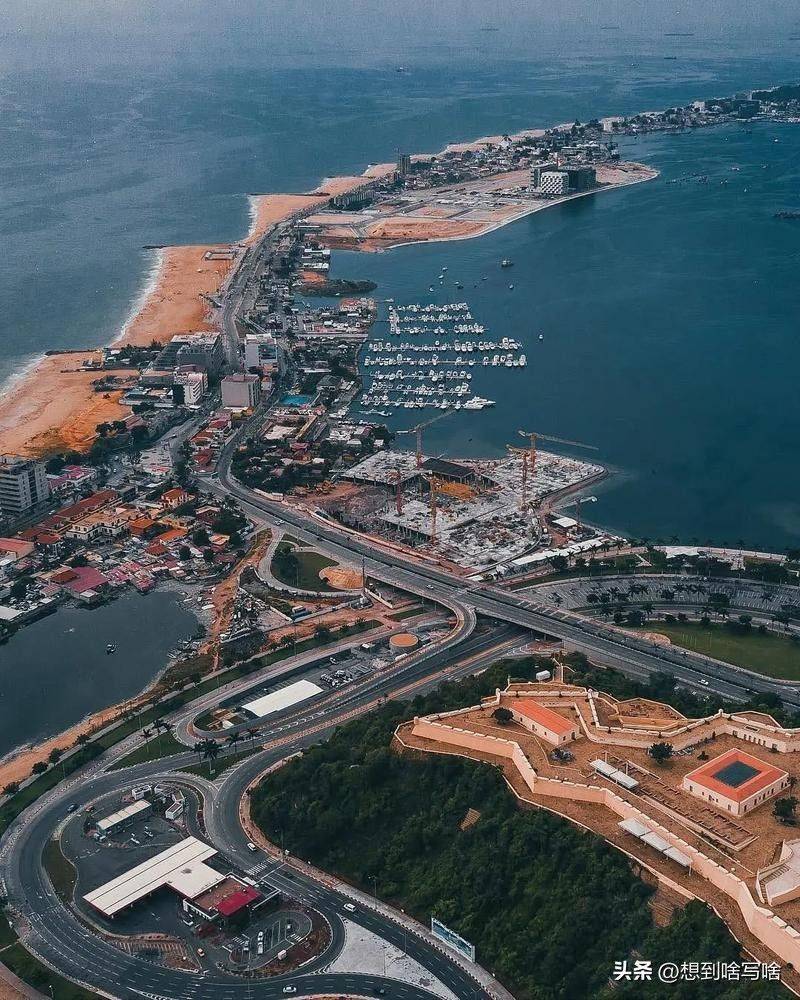
Luanda is the capital of angola and the largest city
Representative tourist attractions
Kalandura falls: africa's second great falls, with a gap of 105 metres, and the rainy season, with its currents as a wan-mazilla, is the symbol of angola's natural landscape。
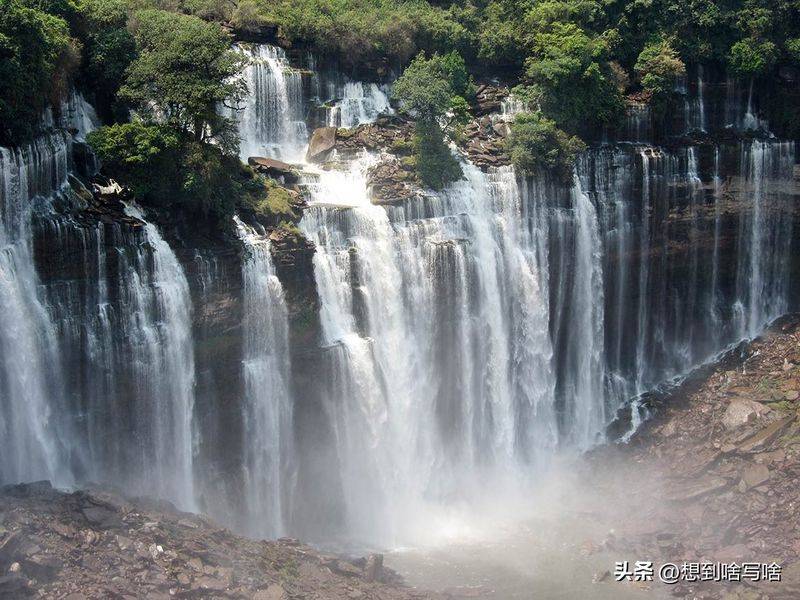
Kalandula falls
Msuru island: the “sea back garden” in luanda, made up of alluvial waters of the kwanza river and the sea, with the peshabi sea and coconut forests shaking, is an excellent place for vacation and recreation。
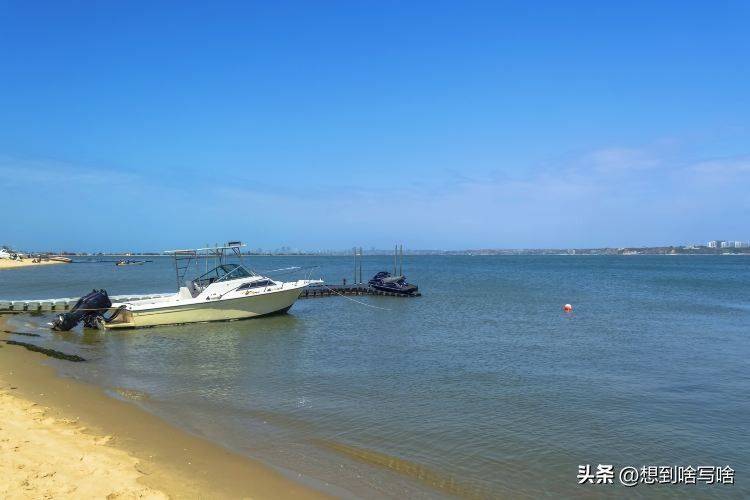
Musulu island
St. Miguel: the 16th century portuguese colonial building, located in the highlands of luanda bay, is now a military museum with a view overlooking the city and the beauty of the atlantic ocean。
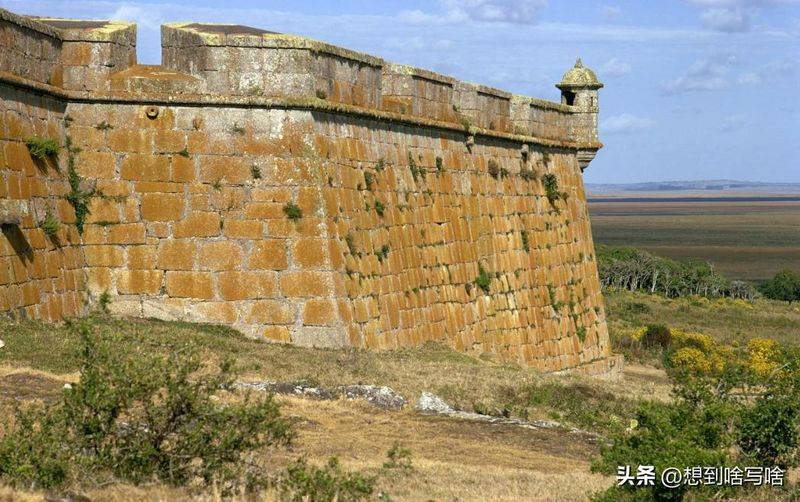
Saint miguel
The most influential
Agostiño neto, father of the angolan state and founder of the angolan people's liberation movement, led the people out of portuguese colonial rule and declared national independence in 1975 and assumed the first presidency. He laid down the direction of angola's national institutions and development and was the soul figure of angola's independence and national liberation, permanently remembered by its people。
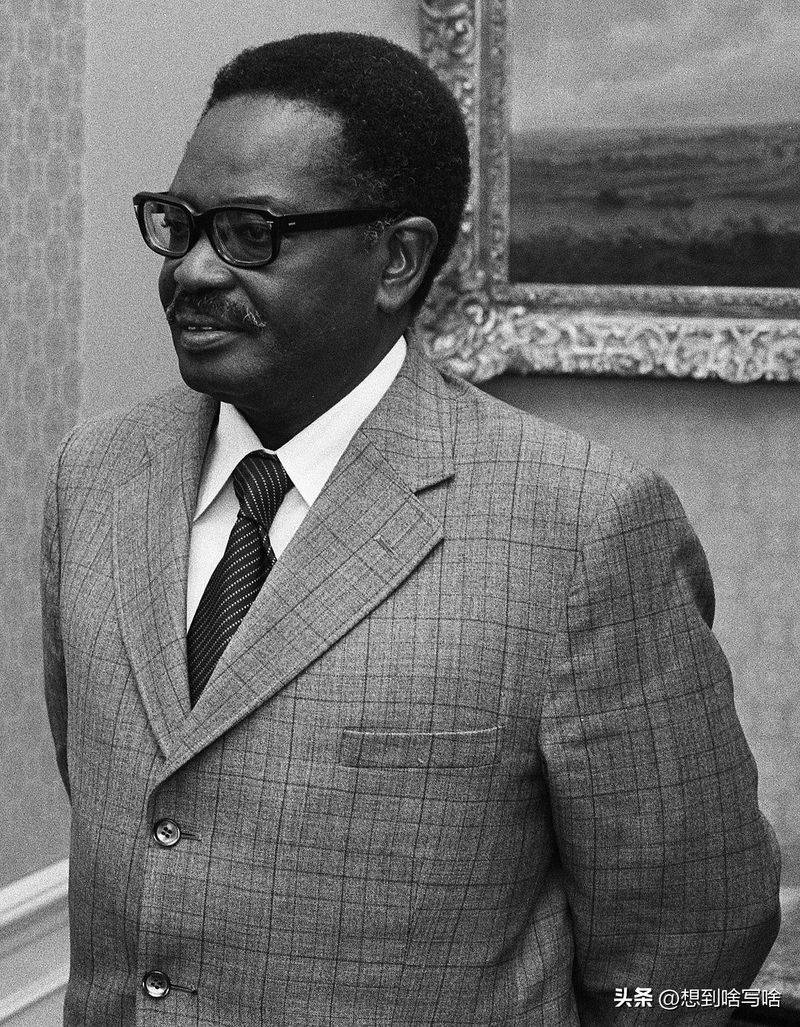
Agoshtiuni netu
Have you moved on the waterfalls and coasts of angola? The comment section talks about what you're looking for, about me, about a country, about the world