Phase i: common trouble analysis and physical maintenance
Electronic basic knowledge, key concepts of communication circuits and basic circuits, mobile circuit structure and gsm, cdma, small-channel mode, electrical resistance, capacitor, sensory, diode, triode, field effect tube, dry clarinet recognition and function, instrument use, mobile phone circuit recognition, instrumentation use (heat wind rifle, wind tank, iron, voltage, universal meter, software instrument, oscillator, etc.), cell phone infrastructure and maintenance, cell phone hardware maintenance base, cell phone casings, mobile phone mainboard, display screen circuits, telegraphic circuits, voice-ticking circuits, telephone circuits, recognition of vibrations and other circuits, identification and dyslex analysis of critical parts of mobile phones, mobile phone openings, reception circuits, transmission circuits, photoworking principles, bluetooth working principles, working and malfunction analysis of mobile telephones for major brands, from work theory to actual maintenance, to actual repair of mobile telephones to actual maintenance, identification and analysis of new mobile telephones, mobile telephones, mobile telephones for use, mobile telephones, mobile telephones, mobile telephones for use
[includes mtk (mp3, mp4) cdma, small psychics and various colour-screened mobile phones, photophones, touch-screen cell phones, circuit structures such as bluetooth phones, 3g mobile phones, rationale analysis; software and hardware failure analysis, cell-locking, software upgrades, mobile phone adaptations, bga seals, flight wires and assembly cell phones, etc
1. Twelve common malfunctions (including: no messenger, no bell, no vibrating, no display, no light, no screen, no wire, no sound, no time, no key failure, no switch-off, no signal barrier, etc.) can be repaired and complete maintenance thinking developed。
2. A 90 per cent failure rate was achieved for start-up and signal failure recovery (10 units were repaired 9). 3. Easier and more skilled to perform common welding。
4. Easier, skilled dismantling and fitting。
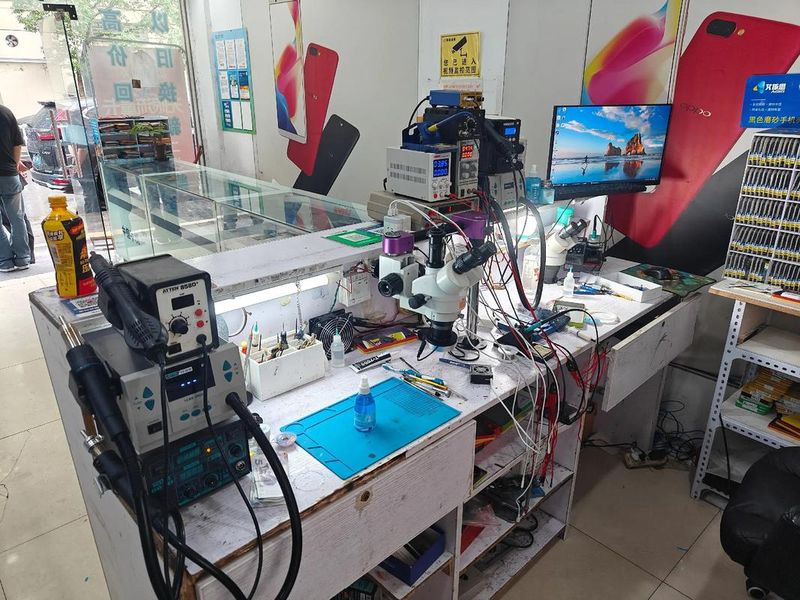
5. Proficiency in the use of all tools, including computers, up48, oscillators, frequency meters, software, steady voltage power sources, digital holograms, hand-held watches, wind guns, iron branding, tarts, iron sweepers, etc.
Phase 2: weld reinforcement
To teach the best welding techniques in the country, so long as we practice according to our methods, welding can be as good as most locals! Small pieces are removed, bga tin is planted, black tape is undefended, double layers cpu, bga flight lines are easily handled。
Phase iii: research capacity development — theoretical maps and typical machine-type maintenance
1. Noboa 7610, 6670, 6100, 3100, 8210, 8250:
1 over 85 per cent failure recovery rate
2 was able to independently complete the assembly of all the nokia main panel。
2. Samsung d508, e808, e708, s308, t408, t108, a288:
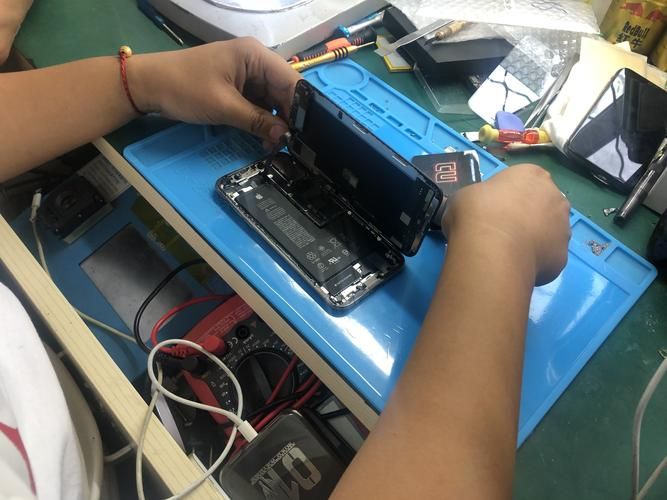
So, the barrier is 90%; 2 is capable of independently repairing the main board, skilled liner.
Motorola v3/v3i, v500/v600, v998/v8088:
A failure recovery rate of more than 90 per cent;2 ability to switch lines independently, skilledly and capable of solving all technical problems.
4. Love w800/k750, k700, t618:
1 over 90 per cent failure recovery rate;2 ability to independently repair a variety of suspicious disorders。
6. Summarize maintenance methods for various types of aircraft (e. G. Samsung, nokia, motorola, sawyer, mp3/mp4, national production machine, taiwan, cdma, market communication, etc.)
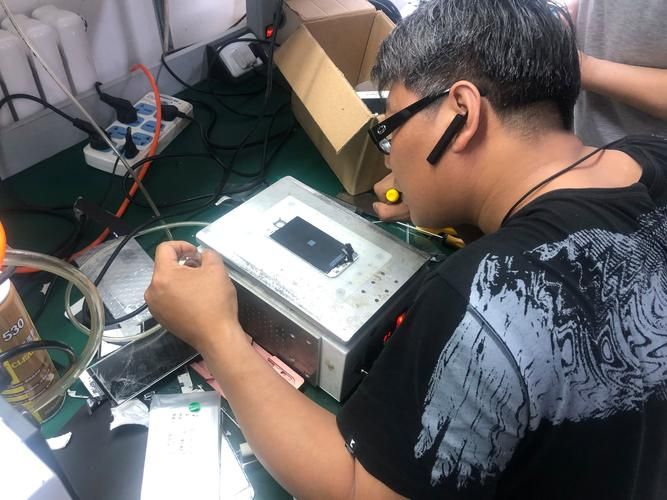
7. The ability to use methodological maps to repair various cellular malfunctions。
8. Ic capable of welding various types of glue
Phase 4: software
Mtk, exhibition, nokia, samsung, soyuz, motorbike, iphone, htc, blackberry phone brushes, upgrades, language change, unlocks, escapes, etc. One step at a time, you can fix more than 90% of the software failure by following a step
Phase v: new machine maintenance and complications
Cellular chip analysis, common malfunction maintenance, ad series chips, mtk series chips, mobile phone maintenance methods and techniques, characteristics of cell phone failure, cell phone failure patterns, basic maintenance methods, thought skills, etc., typical cell phone failure speed-up, signal jump, “system failure, contact service provider”, “over call”, double english failure, etc., mobile phone penetration maintenance, key failure, non-literacy cards, waiting lists, non-services, no network, automatic switch-off, microphone silence, etc., internships, trainees' internships at wah's maintenance shop, field exercise and maintenance at a number of mobile phone companies。