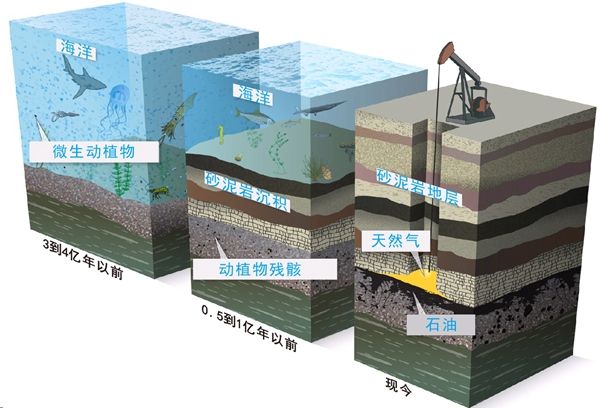
Pressure sensors are one of the most commonly used sensors in industrial practice, instrument control and are widely used in a variety of industrial self-control environments, including hydropower, rail transport, production self-control, aerospace, military engineering, petrochemical, oil wells, electricity, ships, machine beds, pipelines, etc., and are briefly described below。
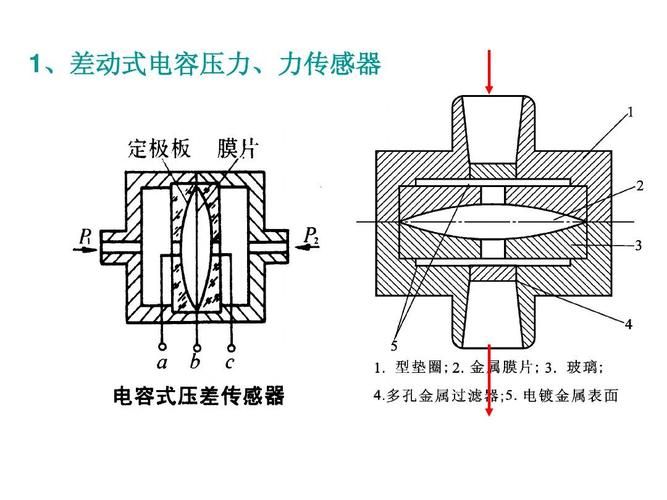
There are a wide variety of mechanical sensors, such as electrical resistance transformer pressure sensors, semiconductor reaction transformer pressure sensors, pressure resistance pressure sensors, electro-sensor pressure sensors, capacitive pressure sensors, tuning pressure sensors and capacitive acceleration sensors. However, the most widely applied is the pressure-resisting sensor, which has extremely low prices and high precision and better linear properties. We will focus on these sensors。
1. The theory and application of mutated pressure sensors:
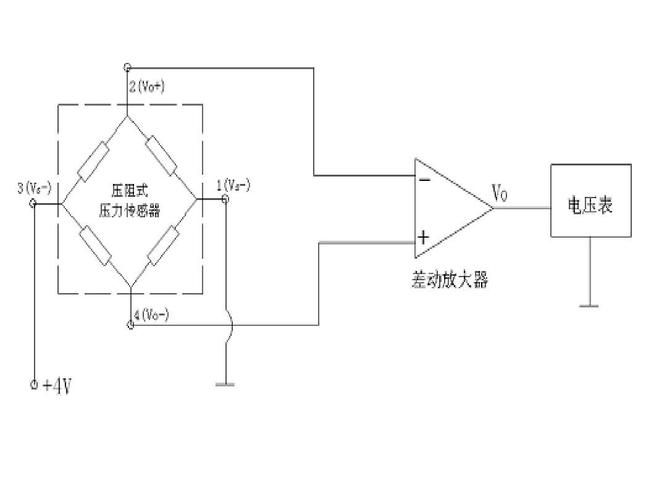
When we learn about pressure resistance sensors, we first recognize the element of resistance. Resisting film is a sensitive device that converts the variability from the test to a telecommunications number. It is one of the main components of the pressure-resilient sensor. The most commonly used resistance films are metal resistance films and semiconductors. There are also filamentary and metallic spectrometers for metal resistance. Usually, the transformer is adhesively adhesive to the generation of the mechanics-reform matrix through special adhesive adhesion, and when the receptivity of the matrix changes, the resistance-resort-resort-resort-resort-resort together produces a shape-form, changing the resistance value of the transformer and thus the voltage added to the resistance. The resistance changes in the pressure of the reactor are usually small and typically form a transformer bridge and are amplified through subsequent instrument amplifiers, which are then transmitted to the treatment circuits (usually a/d conversion and cpu) or to the implementing agency。
1. 1. The internal structure of the metal resistance film: it consists of components such as matrix material, metal resistance filaments or mutilators, insulation protection tablets and extraction lines. For different applications, the resistance value of the resistance film can be designed by the designer, but the range of the resistance value should be kept in mind: the barrier value is too small, the driving current required is too large, while the heat of the reaction film heats itself too high, is used in different environments, and the resistance value of the resistance film is too different, the output point drift is evident, and the transfer of zero circuits is too complex. The electrical resistance is too high, it is too high and it is less resistant to external electromagnetic interference. It's usually between a few dozen and a few thousand。
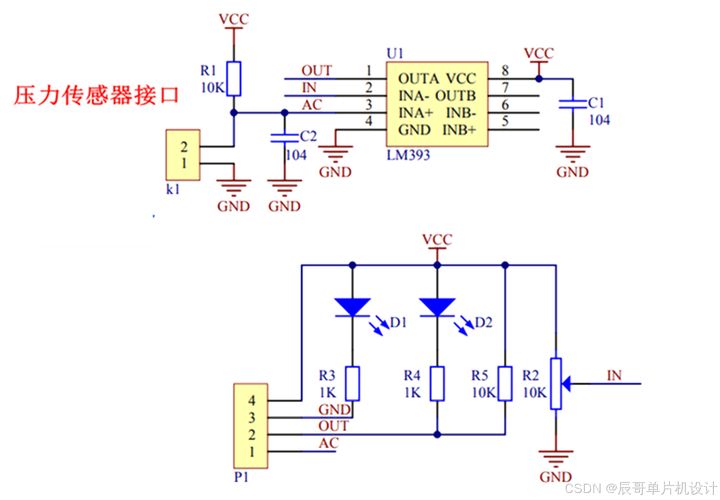
1. 2. The working method of the resistance film: the working method of the metal resistance film is that of the resistance to the transformation of the resistance with mechanical variations in the matrix material, commonly known as the resistance effect. The resistance value of the metal conductor can be expressed in the following formula: