Is it natural or human
On 8 june, guangxi quillin quincy was hit by the rare short-lived extreme rainfall, which was updated by meteorological data. Under heavy rainfall, the town of baewon, on the west side boulevard, has been affected by heavy flooding, with the entire neighbourhood reduced to “zejiang”, with hundreds of private cars heavily smelted and their owners suffering heavy losses, and has also given rise to intense controversy over “natural disasters” and “human disasters”。
Site: rivers of water in small areas, 100 vehicles nearly destroyed
After the heavy rains, the scenes were shocking. Videos released by the owners show that the main main road and the parking spaces downstairs in the sub-district are covered by muddy water, with the highest level of water approaching the windows of the vehicle, and that many white and black sedans are impotent in the water。
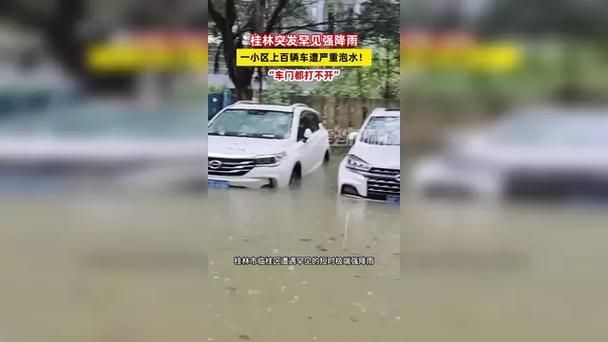
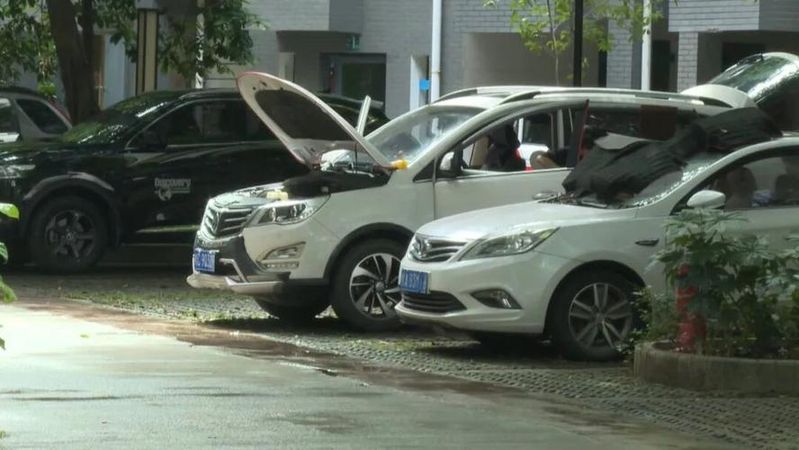
“the rain in the morning is greatest, and we're all sleeping without any knowledge. Wake up in the morning and come downstairs, the door won't open, the car is full of water.” according to the owner, the initial count of over 100 vehicles was severe water bubbles, the undercarriage, interior intubation was normal, some vehicles were flooded, maintenance costs were understated by thousands of dollars, more than tens of thousands of dollars, and many of the vehicles were nearly scrapped。
Disputes: dereliction of duty by the owner of the property, which is said to “have done its best”
Behind the heavy losses, the owners targeted the small estates and questioned their total lack of emergency disposal。
According to the owners, heavy rains and night raids, the security guards were not notified of the patrols and the owners ' group had no warning, resulting in people having missed the time to move their cars while asleep. “the property industry said it was equipped with more than a dozen water pumps, but one was not activated at a critical time, and if it was drained in time, it would not be flooded!” the owner said with outrage。
In the face of the accusations, the property industry has suffered. The responsible officials responded that the high rate of water accumulation and the rate of up-to-date water in the sub-sector rooms had resulted in the complete disruption of electricity, communications and the non-functioning of the flood disposal equipment, which could not even call the owner. Although staff members were sent to shout at the door, the rain was too heavy for many owners to hear。
In-depth: extreme weather is the cause, the short plate is buried
The 100-car bubble incident, which appeared to have been caused by extreme storms, revealed multiple deep-seated problems。
1. Extreme weather events are frequent and urban flood stress is rising sharply: against the backdrop of global climate anomalies, extremes such as short-term heavy rainfall and heavy rainfall are becoming more common, and the current rain in quillin is exceeding historical extremes by far beyond the capacity of conventional drainage systems。
2. Sub-district planning and drainage design hazards: some of the sub-districts were built with low-lying, small-calibre drainage networks, inadequate drainage capacity and insufficient consideration of the risk of extreme rainfall recharge; the entrance to the garage lacked flood-proofing facilities, such as flood-proofing pads and ditches, which were used for internal flooding。
Property management is in the form of heavy charges, light management in a number of sub-districts, long-term inactivity of anti-silver equipment and “lost chains” at critical times; inadequate contingency planning, lack of warning and clearance prior to extreme weather, slow response after an incident, exacerbating losses。
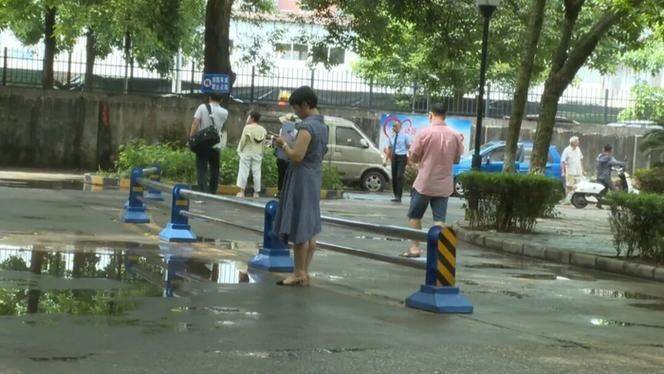
The one-hundred-car bubbles in the quillin quarter were both natural and human. Extreme weather conditions cannot be avoided, but frequent flooding in small areas and vehicle bubbles are essentially a concentration of urban infrastructure, lack of property responsibility and lack of emergency management。
For developers, it is important not only to re-sell the buildings, but also to ignore infrastructure such as drainage and flood control, which is the basic security of owners' lives and property; for the property sector, protection is not a “word”, but rather routine maintenance of equipment, pre-sequence exercises and emergency response, with charges bearing managerial responsibility; for the relevant sector, greater control over receipt and inspection of drainage and flood control facilities in the sub-districts, and the establishment of an extreme weather warning link to pre-empt risks。
At the same time, a large number of drivers are reminded that extreme weather seasons are high, that vehicles are not parked in flood-prone areas such as low-lying areas and underground garages, and that early warning messages are followed and self-protected。
Each disaster is a warning that only by confronting the problem, filling the gap and holding down the responsibility can extreme weather conditions hold the safety threshold and avoid the recurrence of similar tragedies。