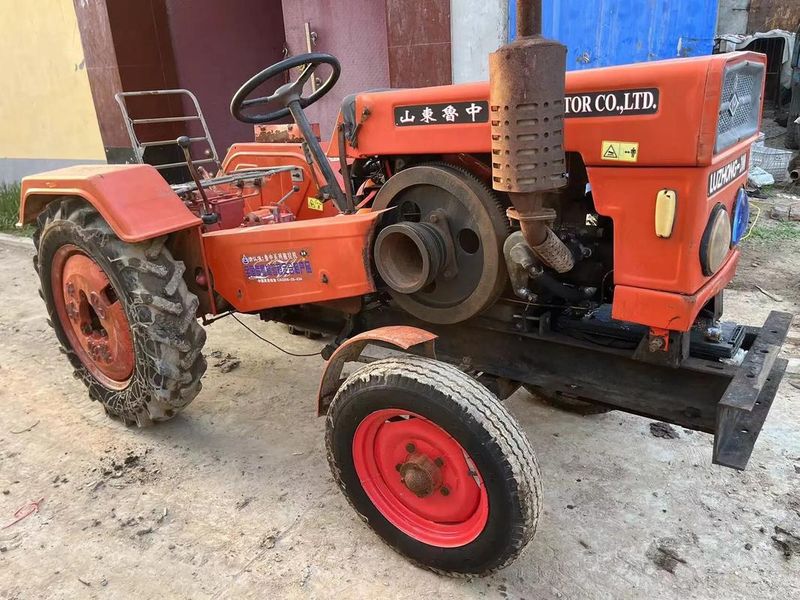
Now in the countryside, whether they grow their own land or work for others, a reliable tractor is more important than anything. The new machine is too expensive, and many people will choose to buy second-hand, high-priced, fast back。
But in the second-hand farm machine business, the water is really good. Many of the farmers' brothers are cheap and buy it back is either bad or bad, they can't work for a few days, they run to the repair shop, and finally, it's more expensive than buying new ones。
I've been dealing with agricultural machines all year, and i'm going to tell you about the bottom of the box today. If you want to buy a second-hand tractor, put this article in a collection, and when you buy a car, one by one, make sure that you don't step on the pit or cheat。
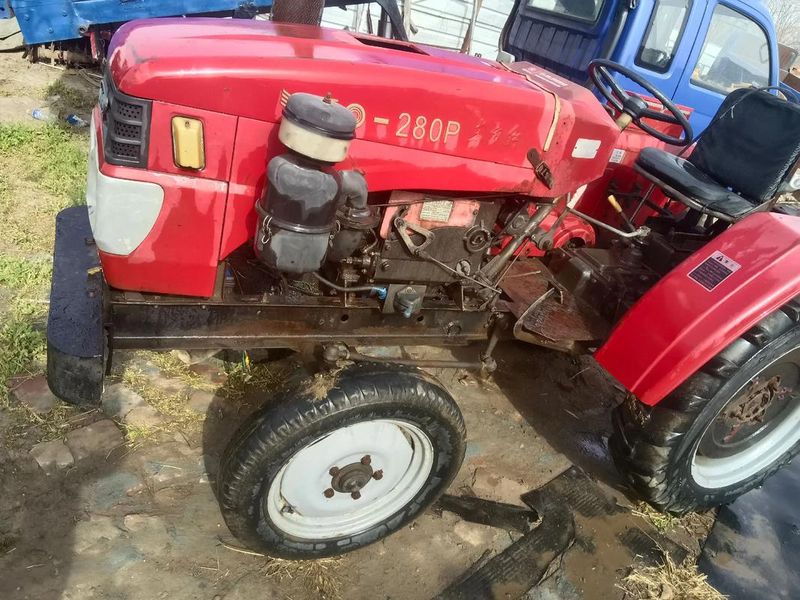
First look at the front, focus on the engine. The engine is the tractor's heart. The heart is bad, it can't be cheap。
As a first step, see if there is any seepage or oil spill. The fact that oil and diesel fuel are dripping all over the place indicates that the engine is poorly maintained and must have suffered considerable internal wear and tear. And see if the screws have been passive, and if the lids and the lids are all scratches and broken marks, the engine has been repaired 89 times. The power, fuel and life of the overhauled machine will be significantly reduced。
Step two, start listening. The cold car is activated and listens to whether the engine has murmurs, tatters, sounds. The sound of a good machine is even and steady, and it doesn't fall apart. When it comes to the gas, you have to react fast, you can't be bored or smoked. The black smoke is particularly large, either the oil-jet mouth is broken or the pistons of the cylinders are badly worn and are expensive to repair later。
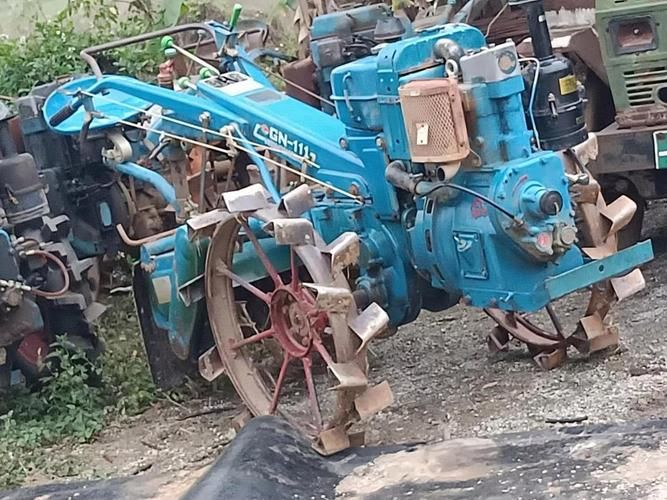
Read the engine, then the chassis and the gearbox。
Let's try the gearbox. The fences must be smooth, no carden, no hangs, no noises when travelling, let alone jumps. Some of the cars looked new, but the gearbox was already in trouble, driving itself out of the way and working down there could kill people。
Look back and forth at the bridge. There's no oil leak, there's no crack. The heavy workload of the large tractor, the high cost of repairing the front and back bridge in the event of a problem, the small problems that can be brought to work and the major problems that can be directly eliminated。
Third priority, look at tires and racks。
Tyres are the most visible place to work. It can be seen at first sight whether the grafts are deep, the degree of wear and tear, whether the drums are covered or not, or whether they are fixed. Tires are not cheap, and the replacement of four tyres is expensive and, if worn too badly, a later expense。
The frame depends on signs of deformation and welding. Cars that have been hard, overturned, hit, have been deformed at all times. Such cars are poorly balanced, work unstable, have low security and are cheap。
Fourth point, test cars must go down。
A lot of people buy cars around the road, they look fine, and they're real. In situ refuelling, ploughing, load-taking, enough power to watch the car, failure to turn off the engine and failure to sound the gearbox. It's only a car with a load。
On the road, we're going to try and see three points: a steady start, a smooth run and a bad brake. We can't do that。
Fifth focus, prices and procedures。
Too cheap a car, there must be a problem. It's the best in a second-hand farm machine. The "no work" in the car's main mouth, "no work at home", "sell it cheap and urgent", just listen。
As far as possible, the formalities must be observed. In private, it's best to find someone who knows how to go along and don't make the orders yourself。
Let me conclude with a few words:
Farmers buy tractors to earn money for work, not to buy trouble to come home。
Don't rush, watch, listen, try, ask。
The engine hears sound, leaks oil on the chassis, wears tires, looks for deformation on the frame, and tries below。
You keep these in check and buy a second-hand tractor. Farming machines are the help of our growers. They're the right ones. They're the wrong ones。