The technical maintenance of tractors, which are indispensable machinery in agricultural production, prior to the spring farming industry is essential. The main points of technical maintenance prior to the tractor farming industry are as follows:
I. Maintenance
1. Cleaning and lubricants
Removal of soil, dust and oil from various parts of the tractor. Check whether vents are open and, if blocked, unconnected; check whether spare parts are loose, especially in the walking and easy-to-facilitating parts, are being re-established; check the reliability of manoeuvres and lights such as diversion, disconnection, brakes, etc., and check the adequacy of triangulation belts; clean diesel tank filters, clean (or replace) diesel filters and maintain air filters。
2. Replacements and adjustments
Replacement of oils and gear oils appropriate to temperature, while cleaning of oil filters and replacing oil filters. It is advisable to use diesel oil to clean oil casings, oil lanes and gear tanks while they are hot; and to check gas door gaps, oil supply times, oil spray quality and adjust when this is not appropriate。
3. Commence inspection
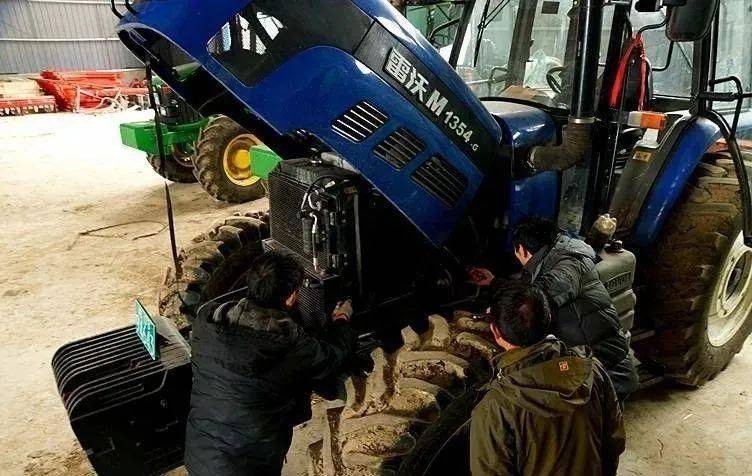
Start the engine to enable the tractor to perform a comprehensive check of the performance of the various components and to find that the problems were resolved in a timely manner and that the repairs were performed as necessary。
Maintenance of the three filters
Maintenance of air filters
Improved maintenance of air filters is an important measure to improve engine life and prevent a decline in power and economy. Care needs to be taken to check whether the air filters have good sealing of the connections to the pipes, which should be tightened in a timely manner if the bolts, nuts, clamps, etc. Are loose, and spare parts that are damaged or leaky should be repaired or replaced in a timely manner。
2. Maintenance of diesel filters
The filter is regularly cleaned, the core is found to be broken and replaced in a timely manner when cleaning the core, and care should be taken to prevent impurities from entering the inner cavity of the core during cleaning and thus entering the oil channel。
3. Maintenance of oil filters
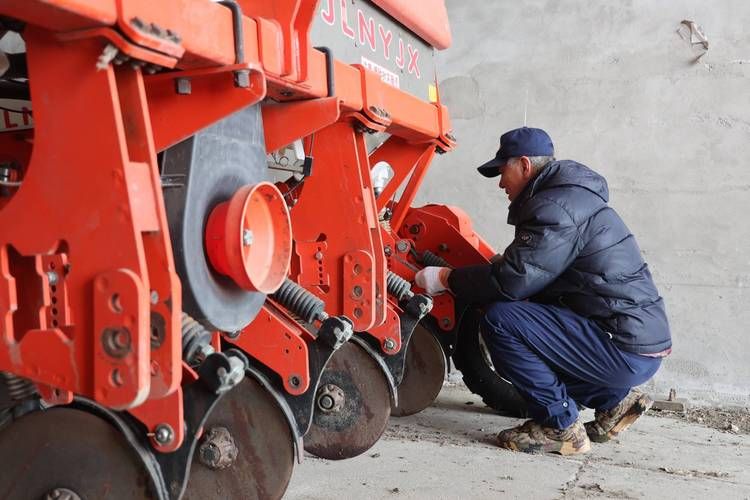
The oil filter, after a certain period of time, has multiple impurities and stains attached to the filter core and is therefore periodically replaced as required by the instructions. For normal working vehicles, oil filters should be replaced every six months or 200-300 hours of work, and for large vehicles, oil filters should be cleaned at the above time and mileage. Under harsh conditions, such as frequent traffic in dusty environments, they should be replaced with 150 hours of work。
Iii. Complete review and maintenance
1. Pre-departure inspection
Prior to the spring farming industry, detailed pre-departure checks are required, including checks on diesel fuel, oil, cooling water, brake fluids and hydraulic fluids, whether they are sufficient and leaking; checks on the adequacy and consistency of the pressure of tyres; checks on whether the motor is working normally at different rotation speeds after start-up; checks on the normality of instrumentation, lights, horns, scrubbers, signal lights, coupons, brakes, steering discs, etc.; checks on the flaccidity of the various components of the connection and the rigidity; checks on the cleanness of the holding battery poles, the tightness of the line and the smoothing of the gashole; checks on the completeness of the vehicle tools and attachments。
1. Inspections en route
The tractor should be inspected for approximately two hours. The main items include: observation of the working state of the instruments, engines and the various components of the chassis; parking to check the temperature of the wheels, brake drums, gear transformers and the back bridge; inspection of the condition and securing of the moving axes, tyres, steel plate springs, gear and brakes; and inspection of the condition of the load。
Special attention
1. Engine cleaning
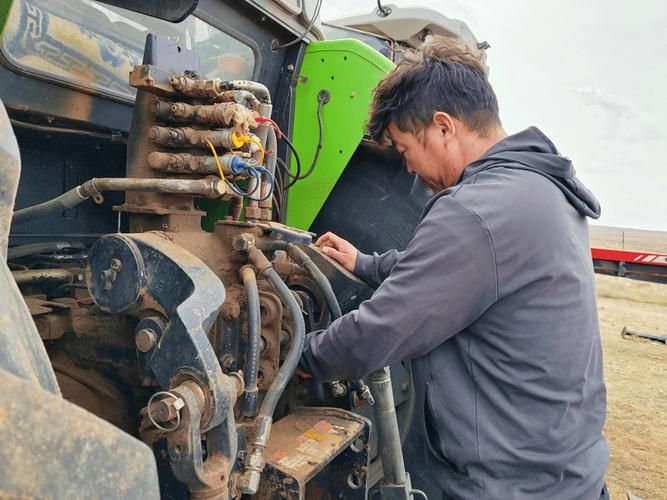
Engine cleaning is a key step in ensuring that tractors are operational. The tractor's engine is the core part of the operation, and if the engine is invaded by dirt and dust, it can cause problems of incomplete combustion and poor cooling, affecting its performance and efficiency。
2. Oil road cleaning
Oil road cleaning is an important step in ensuring normal lubricants for tractor components. The oil road is a source of lubrication and cooling of the various components of the tractor, and if impurities and dirt are present in the fuel road, it can affect the lubrication effect and even cause wear and tear to the parts。
3. Hydraulic system cleaning
Hydraulic system cleaning is an essential step before tractor operations. The hydraulic system is an important part of the tractor, which controls the operation of various operational components. If the hydraulic system is affected by contamination and impurities, this can lead to an abnormal operation of the hydraulic pump, which in turn affects the operational effects。
The detailed inspection and maintenance steps described above will ensure that tractors are in the best position before spring farming, thereby improving operational efficiency and safety。