Part i: driving skills
Watch and hear and hear: observe the road in its entirety, observe blind areas and ensure the safety of the vehicle。
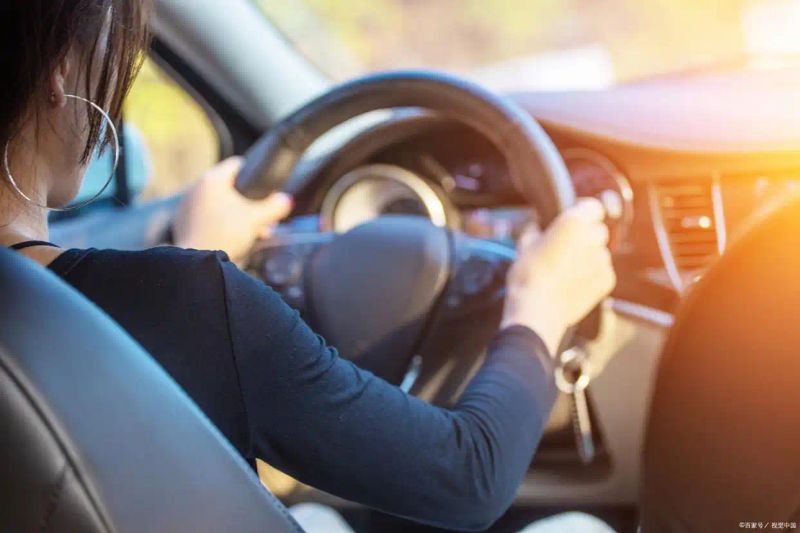
Steady start-up, steady acceleration, smooth brakes: take control of the level of step-up, gas doors and brakes, keep the vehicles smooth, reduce wear and tear and increase fuel economy。
Reasonable use of the block: select the right block, depending on the condition of the road and speed of the vehicle, to avoid excessive or too low turn。
Diagonal driving techniques: slow down before entering the curve, turn the wheel ahead, maintain stable speed and car posture, safe and smooth。
Note the distance: maintain a safe distance from the front vehicle to allow sufficient time for reaction and brakes。
Part ii: maintenance of the secret book
Periodic maintenance inspections: following the maintenance requirements of the car manufacturer, regular inspections and maintenance of engines, oil, brakes, tyres etc. Are carried out to ensure that the vehicle is in optimal condition。
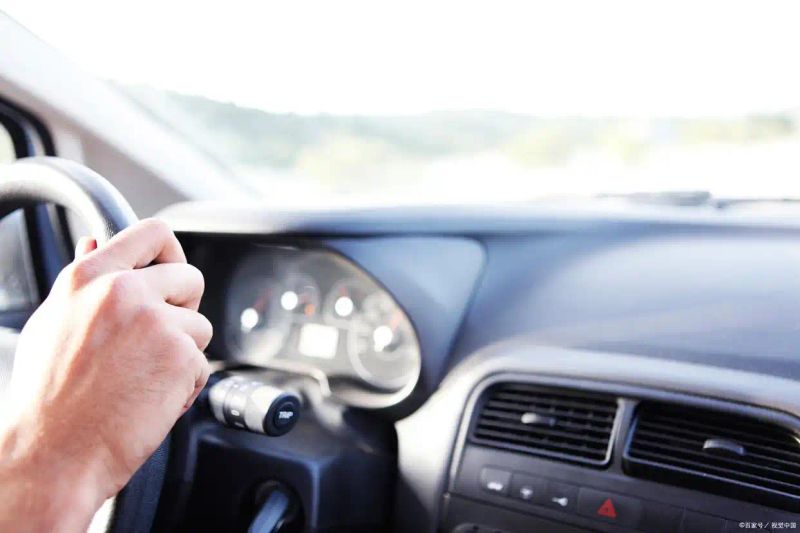
Focus on oil maintenance: regular replacement of oil and filtering, maintenance of normal engine operation and extended engine life。
Tyre maintenance: maintenance of proper tire pressure, periodic examination of tyre wear and adjustment of tyre positioning to ensure safety and fuel economy。
Maintenance of the brake system: periodic inspection of wear and tear on brake plates, brake plates and brake fluids to ensure normal operation of the brake system and to improve the brake effect。
Attention to cooling fluids and rain-shaving water: regular check of the quantity and quality of water from cooling fluids and rain-scratching water to ensure clarity of engine cooling and driving view。
Part iii: safety recommendations
Importance of seatbelts: always fasten your seatbelts to provide the most basic security protection to yourself and passengers。
Stay focused when not driving: avoid being distracted, sideline the jamming factors such as mobile phones, and concentrate on driving。
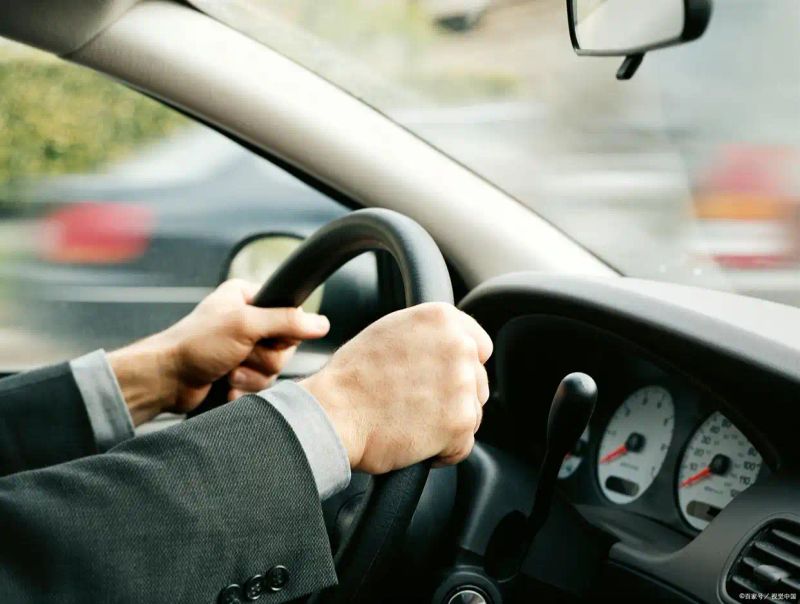
High-speed traffic alert: observance of traffic rules, non-speed travel, maintenance of distance, careful and timely diversion。
Night driving techniques: take care to adjust the light angles to enhance the night view; switch to the close light in time for the use of the remote light in front vehicles。
Response in emergency situations: stay calm in case of emergency and take timely judgement and take the right response, such as brakes or emergency shifts。
Part iv: long-distance driving techniques
Pre-planning of routes: prior to long-distance driving, it is recommended that information on routes, rest stations, etc., be planned in advance and that traffic conditions on roads be understood in order to avoid congestion and delays。
(b) rationally scheduled rest periods: prolonged continuous driving increases the risk of exhausting driving, and therefore reasonable breaks are provided for every 2-3 hours in the journey。
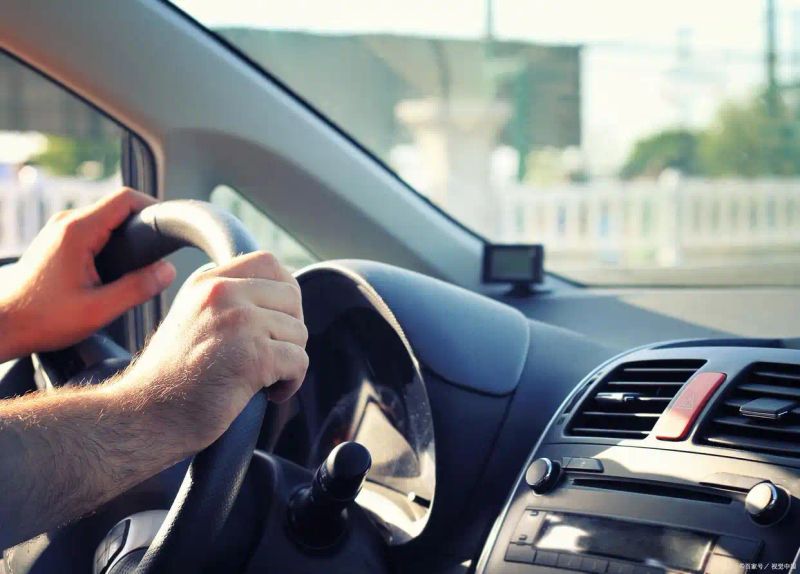
Attention to physical and mental state: it is important to maintain good physical and mental state in long-distance driving. Adequate sleep, diet and proper exercise contribute to increased attention and responsiveness in driving。
Using cruise control systems: if your vehicle is equipped with cruise control systems, it can be used for long-distance driving to maintain a certain constant speed, reduce leg fatigue and provide better fuel economy。
Carrying emergency tools and medicine kits with vehicles: in order to respond to an emergency, it is recommended to carry with them some commonly used tools such as spare tyres, jacks, batteries, etc., and basic first aid kits. These tools and kits can help when needed。
Part v: environmentally sound driving advice
Reduction of acute acceleration and brakes: frequent surges and brakes increase fuel consumption and emissions. Maintaining a smooth mode of driving and avoiding unnecessary rushes can help reduce pollutant emissions and save fuel。
Rational use of air-conditioning systems: use of air-conditioning systems increases fuel consumption. Minimize the use time of air conditioning or select a lower temperature barrier where the temperature is appropriate。
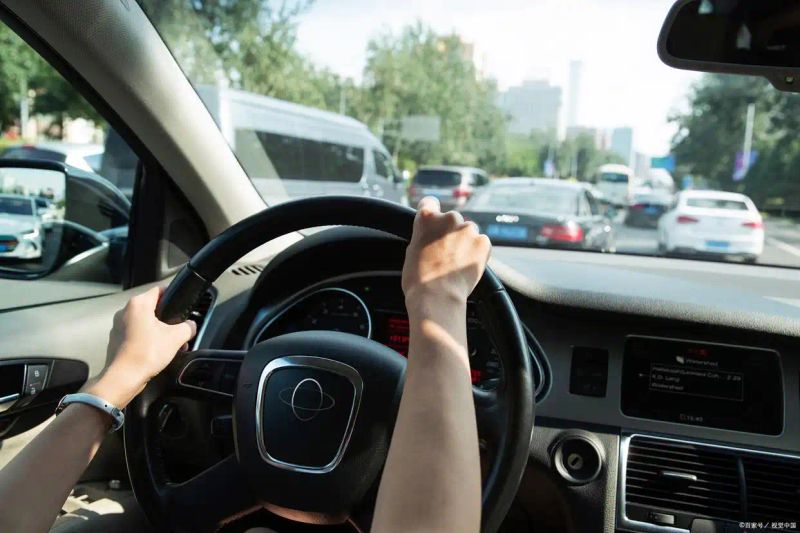
Reduction of vehicle loads: reduction of extra loads in and out of vehicles can reduce fuel consumption. Clean-up of the vehicle's contents and avoidance of unnecessary racking have helped to reduce vehicle loads。
Efficient routing: rational planning of traffic routes, avoiding congestion areas and complex road conditions to the extent possible, in order to reduce air-turning and glitch time。
Periodic tailing of emissions: periodic vehicle tailings testing to ensure that vehicle emissions meet environmental requirements, and timely repair and replacement of components of the emission system。
As an old driver of a car, it is the duty and duty to transfer driving skills, maintenance secrets and safety advice to more drivers. By following these guidelines, we can improve road safety, reduce the incidence of failure and enjoy a more pleasant driving experience. In cities and highways, let us work together to become qualified and helpful old drivers of cars. Have a nice and safe trip