I. Typical performance
Social evasive.
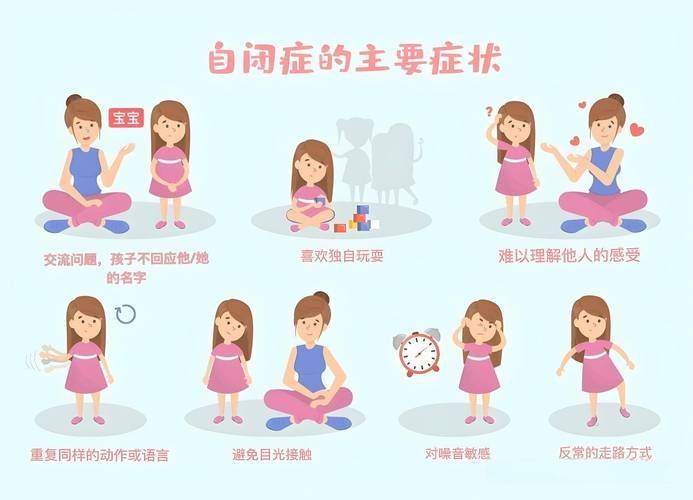
There is a tendency to work alone and avoid interaction with others (e. G. Gatherings, group activities) and a lack of interest in building interpersonal relationships. For example: refusal to invite friends, deliberate distance in public. Some may avoid others because of social anxiety, but isolated behaviour stems more from the voluntary choice of isolation than from fear of social settings。
Emotional alienation.
Emotional expression is cold and less responsive to others. For example, the responses to family and friends ' concerns or complaints are superficial and even show indifference. Such alienation may be misinterpreted as “apathy” and, indeed, as a capacity for emotional connection。
It's narrow and fixed.
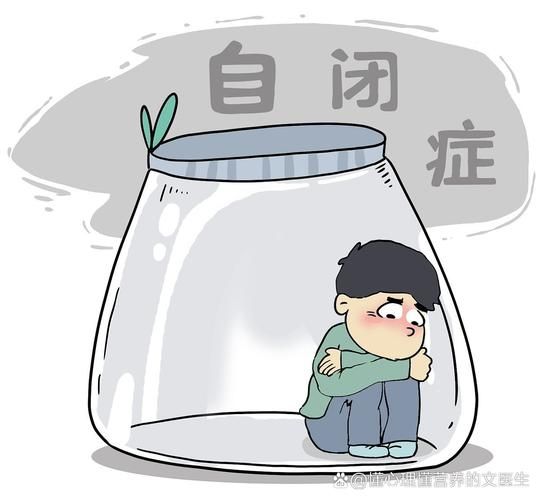
Focus on a few specific activities (e. G. Reading, manual, video games, etc.), excluding attempts at new things or participation in recreational projects recommended by others. The range of interest is limited and may be repeated over time。
Communication barrier 4.
Language exchanges are brief and straightforward and lack the will to engage in in-depth dialogue. For example, the answer to a question is limited to “yes” or “no” and does not wish to initiate the topic. Non-linguistic communication (e. G. Eye contact, physical movement) is also low。
Reliance on isolation 5.
It is comforting to be alone for long periods of time and tired after socialization, and requires the recovery of energy through isolation. For example, it takes hours or even days to “charge” after a party。
Ii. Other features that may accompany it
Iii. Distinction between isolation and mental illness
It's not rational.
It is a character that does not affect normal functioning. Examples include being able to complete studies or work, maintaining stable ties with a small number of relatives and friends, and being left alone by choice rather than being forced to flee。
It's a medical expression.

Where isolation is associated with persistent depression, hallucinations, self-harm tendencies or total social incapacity, it may be associated with diseases such as depression, schizophrenia and so forth, which require professional assessment。
Causes
V. Suggested improvements
Note that isolation is not a disease per se, but when it seriously affects life, works or causes depression, it is recommended to seek the help of a psychiatrist or a psychologist。