I. Radiation safety in medical video screening
The radiation difference between ct and the chest tablets is 1.
The radiation levels examined by ct are generally higher than the normal x-ray chest tablets (e. G. Approximately 5-8 msv for chests, whereas the chest tablets are only 0. 1-0. 2 msv). However, the doses of radiation examined individually are well below the threshold for potential health risks (international standards recommend a public-year radiation limit of 1 msv, with appropriate easing of medical examinations)。
Evaluation criteria for short-term multiple inspections.
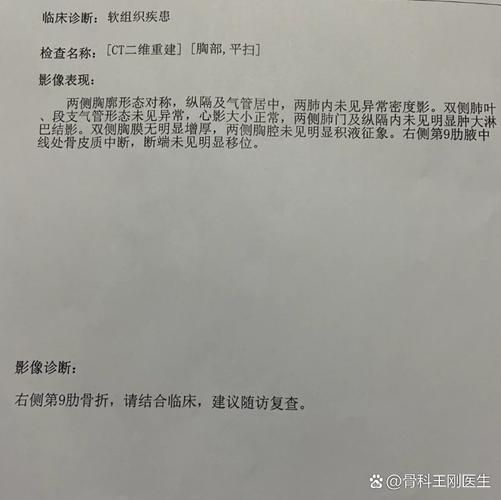
Doctors make comprehensive judgements based on the patient's condition, the radiation doses received (such as whether other ct or x-ray tests have been performed recently) and the urgency of the examination. If the medical condition so requires, even two examinations completed on the same day are reasonable。
Ii. Common situations requiring a chest plate
Additional diagnostic needs 1.
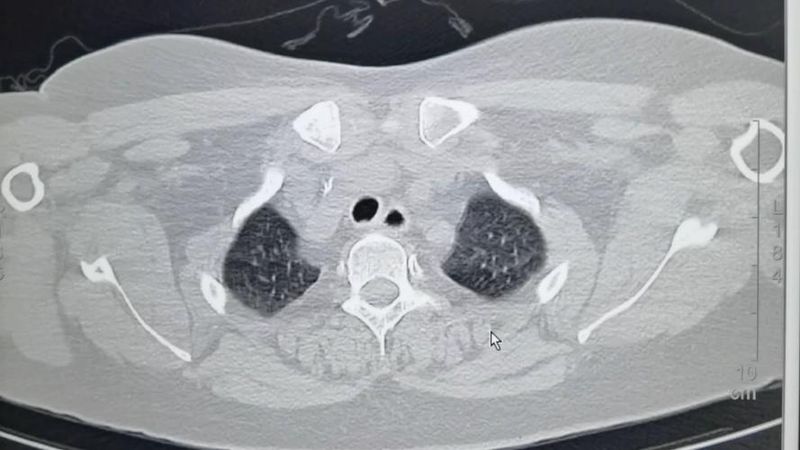
The ct resolution is high, but the chest tablets are more visible in the overall lung structure. For example, the detection of suspicious knots by the ct may require a chest plate-aided positioning or dynamic observation。
Special group of patients.
Radiation-sensitive populations, such as children, pregnant women and others, need to be more cautious, but doctors may still recommend inspections and reduce the impact through lead protection if the condition is critical (as suspected of increased pneumoconiosis)。
Iii. Notes
1. Avoid unnecessary repetition of inspection 1.
In non-emergency situations, it is recommended that two radiation-type inspections be conducted at intervals ranging from weeks to months, particularly for those who have undergone high-dose tests (e. G., enhanced ct)。
Before the examination, the doctor was informed.
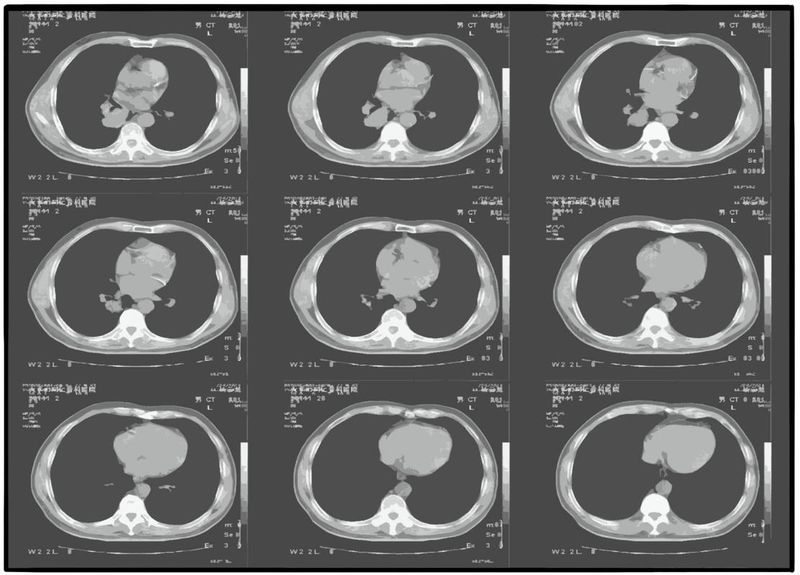
Recent video examinations (types, parts and frequency) need to be described to facilitate the assessment of cumulative radiation levels by doctors。
Iv. Processing of special scenarios
Summary
Whether or not to post-ct chest tablets is determined by a doctor's assessment of the advantages and disadvantages, with emphasis on the necessity and safety of radiation exposure. Patients need not be overly concerned about the radiation effects of individual or minor examinations, but should actively cooperate with the doctor's advice and avoid voluntarily requesting repeated examinations。