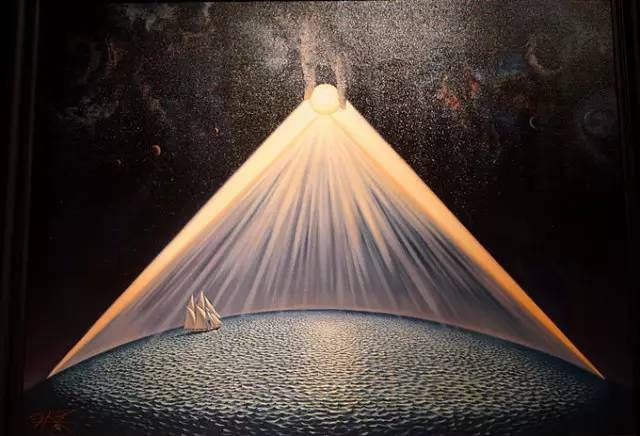
Gold snake naft
In chinese traditional culture
Snakes are often given profound meaning to wisdom, longevity and blessing
It symbolizes an insight into the mystery of the universe
And life and life
What is the cultural status of snakes in ancient times
Let's go through the literature
Increased awareness of snakes
The word “brave” in the oracle is a typical hieroglyphic text, especially a triangle of snake heads, and a twisted snake body, all depicting its morphological characteristics. From the very beginning, the word "brave" had some sign of the word "brand" and the book was even more obvious, until the example became the word "brand"。
Evolution of the word “branch”
In poetry, snakes are regarded as blessed animals. "ya skye" is a poem congratulating king zhou on the inauguration of his new palace. Vives, vives. The adults are: the bear, the man, the snake, the woman”. In the ancient book, the words “single” refer to a viper, the general meaning of which is that, if you dream of bears, gills, gills and snakes, it is a good sign that a child is about to be born。
The ancient literature records the images of snakes and snakes, most notably the images of the heads of the gods of the ancient times and of the human ancestors. As mentioned earlier, many of the ancient gods in the ancient literature were the heads of humans. Wang in-chul examined the ancient literature and argued that the other emperors, except for the voodoo and the sis, were almost all the same as the heads of men. On many occasions, the book of the mountain and the sea alone has referred to the heads of snakes or the masters of snakes, snakes, the gods of the versailles, such as the women's hyenas, voodoos, candle dragons, yonvie, hyenas, co-workers, hyenas, hymens, yellow kings, kai, luxuries and many mountain gods。
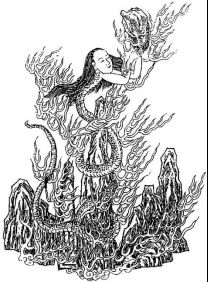
Qing, xiao yun, the woman who led the snake from the sky map
(source: the sea and sea of the mountains (false-language translation of the collection)
Why did the ancient fathers and many gods look like humans? This may reflect the totem worship that prevailed in ancient times. Snakes are a widespread animal in our country, visible in plains, marshes, mountains, hills and rivers from the south to the north. The ancients often meet snakes in their lives, find them incompetent to walk, kill them, naturally generate a sense of piety towards this mysterious creature, and imagine their magical ability to remain alive and to be reborn after observing their habits of hibernation and skinning. Life is often threatened by nature. They want to be connected to these magical creatures in order to gain their refuge and help cope with the difficulties they face in life. So they imagined the snake as a god and shaped it in the way it was, and the original and the god became the head of man, a half man and a half beast。
The process has been illustrated vividly in the vulcanization. In his view, the totem of the huasha nation was a dragon, and its backbone and basic form were snakes. At first, the snakes were the ancestors who tried to make themselves look like dragons (the more people lose their tattoos and look like dragons), which was “human animalization”. But in any case, it can only be the head of a human being, or half of a human being, or half of an animal, and not the whole snake. In the process, however, human knowledge advanced, and they began to shape the image of their ancestors as an adult snake, known as the “humanization of the beast”. As time passed, the practice of imitating myths as snakes was abandoned, even the memory was diluted, and the original was transformed into a whole person。
The way in which the images of the gods and the originals move from the beast to the homogeneity to the whole human form is due to a change in the relationship between man and nature. In the process of human conquest of nature, when nature is far more powerful than humans, the image of the gods and the originals is the whole animal; when humans find themselves capable of changing nature, the images of the gods and the originals become the same human beings; and when humans' awareness of nature deepens, transform themselves stronger and more confident, the image of the gods begins to become the masters, and humans begin to shape their fathers and gods in their own image, but snakes still have the characteristics to which they aspire for the first people who fear death, such as skins and hibernations (which symbolize the rebirth of death and immortality), so that, while the snakes walk down the altar, they do not disappear, they are the key attachments to tribal leaders and symbols of power and status。
In addition to the many antiquities mentioned earlier, there are many practical traces of the worship of snakes in our country, typical of the gugwan ethnic group living in today's fujian and neighbouring areas (who were active from summer commerce to war countries). Hsui-hyun said in words of speech: "it's about the southeast, snakes." from the bugs, the door sounds, and it says, "bein, south, snake." here it is said that the southern and south-east vietnamese clans are the clans of the viper god and are part of the south. The practice of regularly holding the king's day of snakes is still being maintained in the town of senghu, south ping city, fujian province, today, when many coastal areas are sailed out to sea. To date, the gugwan ethnic group has a veritable ethnic group, which has a similar voice to the snake。

South pyramid lake snake king day
(source: yonping media centre)
As can be seen from all this, snakes have been noble for quite some time in ancient times, but their appearance is limited to the many gods of ancient times, and the emperor has nothing to do with snakes since they were self-obsessed among the three emperors, which may be associated with the thinking of ancient dragons. When the concept of dragons emerged and their status rose, snakes slowly retreated from their positions and became ordinary。
(excerpt from animal search: found china in life, yuan jing, guangxi teacher university press)