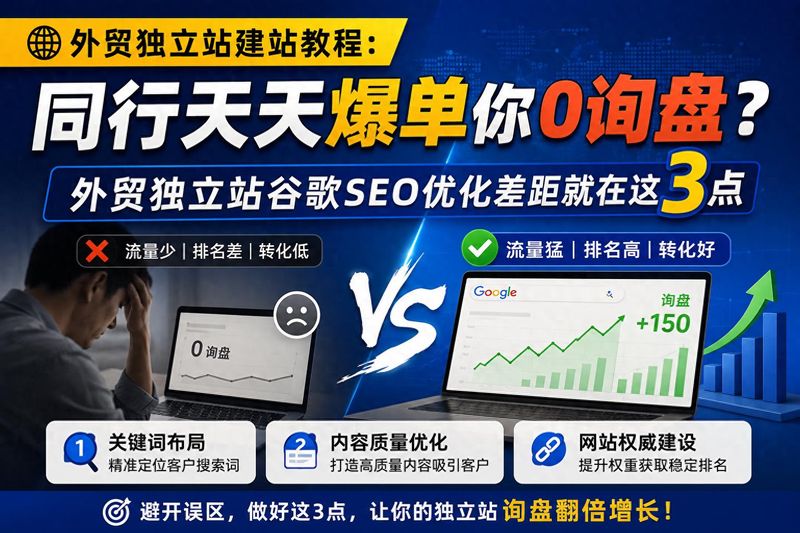
Google seo optimization is not a technical exercise that can work with simple keywords on the competitive global search engine track today. In his view, the content layout is becoming a “winner” in determining the ranking and retention of users for brands that want to break the flow bottlenecks — like a precise conductor — both to align each text with the underlying logic of google algorithms and to ensure that visitors can capture core values within three seconds, willingly staying, interacting and converting。
In particular, at a time when google continues to reinforce the eeat principles (experience, professionalism, authority, credibility), the content layout has already emerged from the “title + text” primary framework: how can professional endorsements be established quickly through an initial structure? How can hierarchical information be used to satisfy users with different search intentions? How can high-value keywords be naturally inserted in the logical chain? The milling of these details is directly related to the ability of the page to break out of tens of millions of results and to influence users ' first impressions of the brand。
Next, hingda te-yun will break down the key focus of the content layout in the light of the latest google algorithms and battle cases in 2025 and provide clear guidance on the way to your optimization。
I. Keyword strategy: natural integration to match intent
1. Precision matching search intent
Analyse user search types (information type, transaction type, etc.) through tools (e. G. Google keyword planner, ahrefs) and design content structures around target keywords. For example, “best running shoes” need to include selection guidelines, product comparison and empirical data。
2. Long end word layout and semantic extension
Long end keywords (e. G. “vegan rather backpack under $100”) should exceed 60% and have a higher conversion rate. The use of both lsi keywords (potential semantic index words) enriches the context and avoids mechanical repetition of primary keywords。
3. Strategic positioning optimization
Core keywords need to be incorporated into the title (h1), subheading (h2/h3), chapeau and conclusions, and photo alt attributes should also include descriptive keywords (e. G., “high-protein wheat salad with vegetables”)。
Ii. Quality of content: the eeat principle
1. Professionality and authority
Eeat strengthening: showcasing the author's qualifications (e. G. “chris has five years of seo experience”) and citing authoritative sources (research papers, industry reports), especially on the subject of ymyl (health, finance, etc.)。
- original content: avoid rewrite, provide unique data (e. G., user research, experimental tests) or innovation insights, and fill gaps not covered by competitors。
2. Confidence-building
Add real cases, user witnesses and clearly indicate the source of content. The use of ai generation requires a declaration of manual clearance process to enhance trust。
Iii. User experience and content structure
1. Readability and visual optimization
- insert subheadings for every 200 words, combining multiple elements such as charts and videos, to reduce the reading burden。
- the first screen content needs to be directed to user needs (e. G. Solution ahead) to avoid the absence of large text maps。
2. Silo content structure
The use of the “total-score-subsidy” level (e. G., the top-level “hygienic and nutrition programme” and the bottom-level “improtein selection guide”) enhances the efficiency of thematic relevance and intra-chain weight transfer。
3. Design to reduce flight rate

- internal links: 3-5 links to the relevant anchor text are added to each article to avoid stacking of keywords。
-moving end appliance: ensure load speed
Iv. Technological seo foundation
1. Structured data tags
Use of schema tags (e. G. Article, product) to enhance the opportunities for rich media presentations。
2. Url and navigation optimization
- logical url structure (e. G. `/canine-care/dog-training/treaties ' ), avoiding dynamic parameters。
- bread crumb navigation enhances user positioning (e. G. Home > blog > seo tips)。
V. Long-term maintenance and monitoring
1. Dynamic updates
The top50 page is reviewed every six months to update outdated data and add new keywords (through ahrefs opportunity report)。
Data-driven iterative
- watch google search console: optimizing displays but hits
- analysis of user behaviour (hot attempt, stay time) and targeted restructuring of content。
Vi. Guide to pit avoidance
- misuse of keywords: overdensity or stacking may be considered fraudulent, giving preference to natural language expression。
- neglect of eeat signals: content that does not show the author's background and that is authoritatively endorsed cannot be ranked high。
- technical defects: uncompressed images, lack of xml site maps, etc., can delay the overall effect。
Google seo content layout is essentially about balancing algorithmic rules with user values. The key words are skeletons, eeat is flesh and blood, user experience is soul, and the three work together to build sustainable ranking advantages. Regularly optimize content ecology through tools (e. G. Semrush, search console) to monitor traffic and eeat health (expert reference rates, content timeliness)。
For many years, with a vast team of experience and expertise, hingda yoo-yo, you have been able to customize your website to optimisation, from strategy development to landing to full escort, to help you out of the search engine and achieve double growth in traffic and transformation