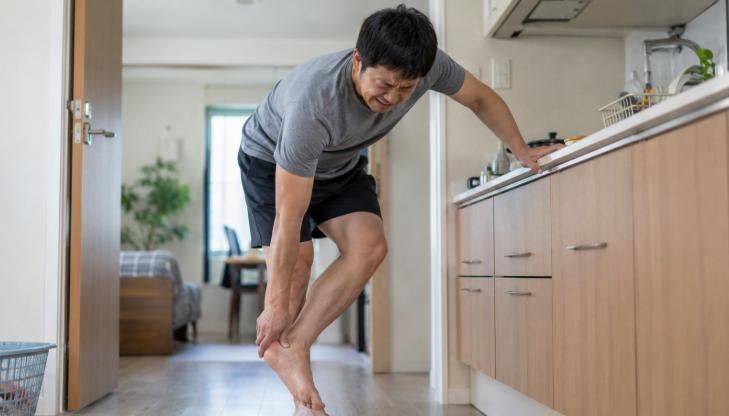
Some of the heel hurts, and the worst is not walking, but getting out of bed in the morning. The night before, the heel just stepped on the ground the next day, suddenly stinging like a needle to the tip of a needle, and the pain almost stood up. After a few steps, it seemed like it was slow again, so it wasn't too serious. Some people think they're not wearing shoes right, others think they're too tired to walk, and others think, as soon as they hear the pain in their heel, “is it a long bone?”。
In fact, the first foot in the morning may have had to do with bones, joints, shoes, weights, exercise habits, but there is one place that is often overlooked, namely, the bottom band. It is not something mysterious, it is a simple understanding of a stronger “band belt” at the bottom of the feet, extending from near the heel to the root of the toes, like a tight bow, helping to maintain the bow and sharing the pressure while walking, running and standing. Every day, his feet step on the ground, and his body weighs a little bit, and the membrane actually works。

Under normal circumstances, the foot endembracing is flexible, helps buffer the soles and makes the walking more stable. But small damage can occur where the long-term standing, walking too much, or suddenly increasing the amount of movement, the bottom of the feet is repeatedly pulled and the backs and heel are connected. The damage must not have been serious at first, but rather acid, swelling and discomfort. But for a long time, it has been repaired, irritated and irritated, and the locals become sensitive and even painful。
Why is it the most obvious first foot in the morning? This has to do with the characteristics of the foot bottom band. When people sleep, their feet are usually relaxed, and their bottoms are reduced and tightened. After one night's rest, partial, though no longer continuously pressurized, do not fully restore softness. In the morning, when the heel came down, the soles were pulled apart, and the sensitive connection points were stimulated, and the pain of the “like a needle”. After a few steps, the cortex is slowly pulled apart and the local blood cycle is active, so pain may be reduced. And that's why many people would have mistakenly thought that “go away and be all right” and that the result would be months。
It's not only for people who love to move. People who stand for long periods of time, such as those who often do household chores, who work long hours, who travel many ways every day, are also vulnerable. Others, who are not always moving, suddenly have a rush to walk, climb, jump, their feet are unadapted, their burdens are increased, and they are also subject to pain. Increased weight, too thin the soles of the shoes, too soft the shoes are not supported, and often wear slippers to walk on hard floors, which also makes the soles more tiring. The foot itself is more likely to be pulled over and over again if it is flat, or if the bow is too high and the pressure is uneven。
As soon as they found a bone puncture, they returned all the pain to the bone. It's not completely unreasonable, but it's not accurate. The foot is often associated with long-term holding and partial stress change, and it may and may not be the sole cause of the pain. In reality, there are also some who have no pain in their bones and others who suffer clearly, but not necessarily very much. Thus, heel pains cannot be seen only in the “tips” of the film, but also in the location of the pain, the pattern, the walk position and the bottom stress。

The pain is usually concentrated on the inner side of the heel and sometimes leads in the direction of the bow. The first foot of the morning rises clearly, and it hurts to get up again after a long sitting. It is more common to see the pain in the beginning of activities, which abated a little, but increased after too long a walk and too long a stand. Some described it as a needle, some as a pebble, and others felt their feet torn. It may not be red or swollen or hot, so many people can underestimate it。
The problem is that, although not rare, the pain in the soles can easily be dragged into “oldness”. It started with a little pain in the morning, then it could turn into walking pain, standing for a long time, going up and down, and even taking a few steps at home. In order to avoid pain, the body will not consciously change the walk position, such as pressing the outside side of the foot, landing the toe first, or retrieving the other leg. In this way, knees, hips and waists may also be uncomfortable. The bottom problem, sometimes as it is, is small at first and has longed to affect a lot of places。

In order to alleviate the problem of the bottom dyslexia, the point is not to be simple or blindly massaged. When pain is evident, it reduces the constant irritation of the soles of the feet, such as long periods of rushing, climbing, jumping, foot-stomping hard and walking around in thin bottom slippers. Many thought that the foot pains were going to be more “moveable” and that it was possible to move in a short and light time, but that it was very far away and could cause local injuries. It's been screaming pain on the soles, and it's going to be hard。
Shoes are also important. The soles of the shoes are too thin and the heel is like a direct impact on the ground; the soles are too soft, the bow is not supported, and the bands are more tired. More suitable shoes should have some thickness and support, not too hard on the heel and not so soft as to collapse. The hard-earned people in the family do not walk around barefoot, especially when they wake up in the morning. Many times, a more suitable pair of shoes is more tangible than repeated ointment。
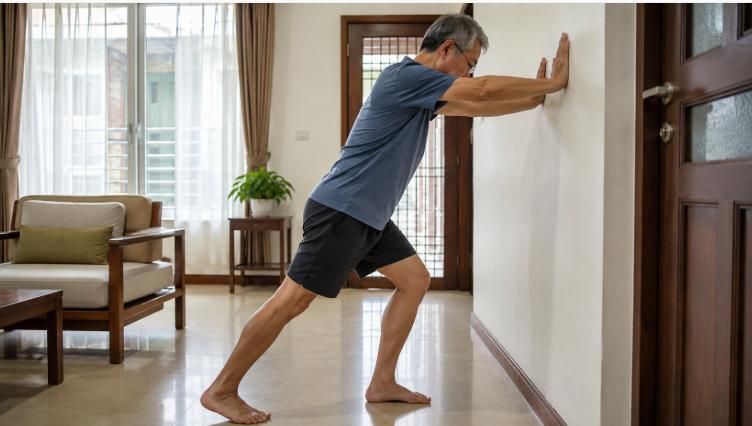
And stretching can help, but it has to be methodological. The bottom band is closely related to the rear muscles of the calves, the calves are too tight, and the heel and the bottom are subject to increased pull. It is usually possible to do some mild stretching, such as pulling the legs with the wall, holding the soles gently with a towel, or placing the toes on the top with your hand, so that the bottom feels to be pulled off. Don't move hard, let alone push hard while it hurts. Before getting up in the morning, a lot of people will be comfortable when they move their ankles in the bed, hook their toes and wake up the band slowly。
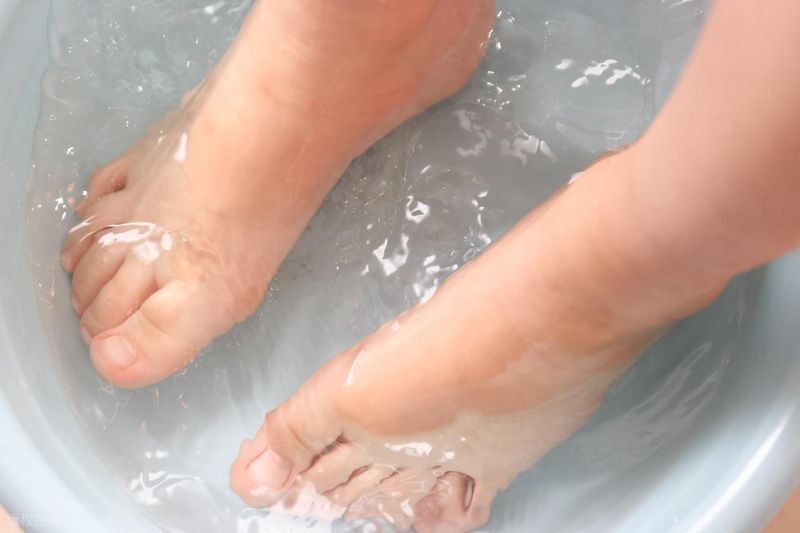
Some like to bubble their feet with hot water, some like ice. It depends on the situation. The short-term cooling can help to reduce the stimuli, as they have just gone too far, and the heat may be more comfortable if they are long-term rigid and tight. But whether it's cold or hot, it's not fundamental. They are more like auxiliary, and what is really important is to reduce excessive pull, improve stress and give the membranes the opportunity to repair。
And there are people who roll around with bands and tennis. This method can be used, but less intense. It's not right to roll up to a microtacid, and it's not right to suffer. The bottom is not as good as the bottom, much less as the pain. In cases where local sensitivity is already present, rough massages may make the pain more visible. In particular, some people heard that “were good to open up” and then they press and press every day, and the pain gets worse, and that's a little too much。
Of course, heel pains are not always a problem with the soles. Similar discomfort may be caused by problems associated with hysteria, bone stress injury, neuropressure, arrhythmia, rheumatism and even vertebrate problems. If the pain is increasing, the walking is clearly affected, the heel is red and heel is hot, and the night hurts, or if the rest is prolonged, it cannot be judged on its own. In particular, the elderly, diabetics, and persons who take certain medications for long periods of time are more cautious about foot problems and, if necessary, are assessed at the hospital's bone, rehabilitation or sports medicine-related clinics。
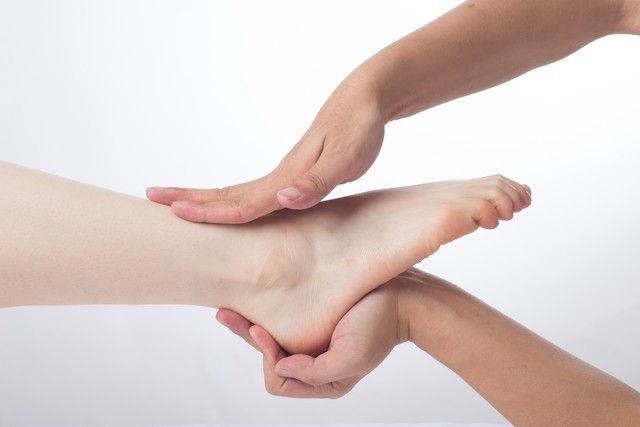
In most cases, the problem of the foot bottom can be slowly improved in a conservative manner, but it takes time. It is not realistic that many are anxious to hope that today will be a painful day and that tomorrow will not be a painful day at all. The pain caused by long-term ripples is not caused by a single day and it is difficult to end with one treatment. Regular stretching, reducing the burden, wearing pairs of shoes, weight control and appropriate rehabilitation training, which look common but in a more secure direction. If the pain lasts longer, the doctor may arrange video examinations, physiotherapy or other interventions according to the circumstances, not to scare people but to find out where the problem is。
The first foot in the morning is like a needle, not necessarily a major disease, but it's not a phrase that can be taken by an “older”. The body weight on the soles of the feet is felt daily, and many minor problems become apparent in one push. When the pain first appeared, the body was in fact a reminder that the bottom stress may have been a little out of control, or that the dysentery might have been a little overstretched. It would be much easier to adjust in a timely manner than to drag to walk and to reprocess。
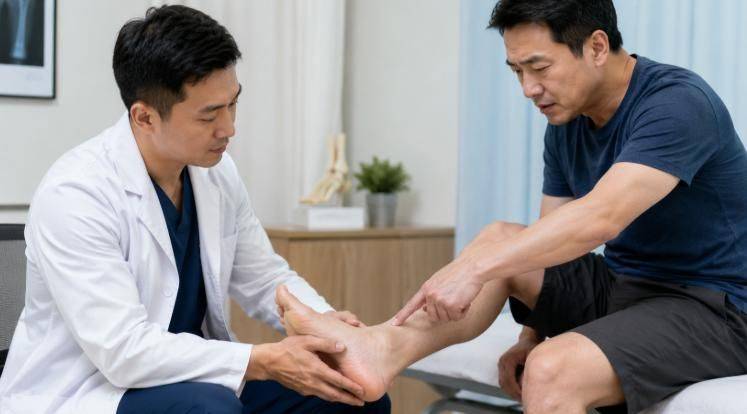
So, when you get a sting on the ground heel in the morning, don't just think about a sting, or just wait for it. Pay attention to the location and pattern of pain, reduce excessive access and give a little bottom-up support and recovery time. I can't see my foot, but it's critical. Once it has suffered for a long time, the most common little thing to walk will become less relaxed. A really smart approach is to take it seriously when the pain starts to appear, so let's not wait for every step to be fixed before we can remember the bottom of our feet。