At the end of april, when brent's crude oil touched a barrel of $126, many people said it was broken, and the price of oil was running at $10 a litre。
It's been over two months, and the oil dropped to $93, almost 30%. But if you go to the gas station, it's more than 20 cents cheaper than the peak。
To be honest, the big drop in the futures market, it's in your purse, not even the rain。
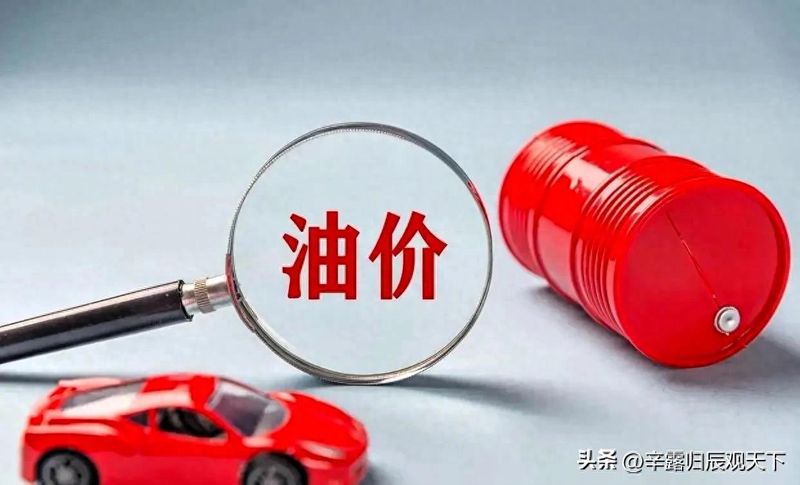
Why? One sentence: now the fall is the echo of a high-level shock, not really the lack of tension。
You read the inventory data. The crude oil stock in the kuchin region of the united states is almost at the lowest operational level, as your rice tank is at the bottom of the line。
The strait of hormuz has been sealed for 14 weeks, almost three months. This place is stuck in one fifth of global crude oil trade. There is still talk on both sides, and there is no end to it. So there's a 15 to 20 dollar "fear money" in oil prices, and it's not going to go away。
I have calculated that fitch recently reduced the estimated annual average price of oil for the whole year from $70 to $87, a 24 per cent increase. More directly, the world bank said that energy prices had risen by 24 per cent overall this year. You're right, it's up, not down. Now that's a lot of relief。
Copper and aluminium are still rising。
Copper prices have stood at $14,000 a ton, with a cumulative increase of 13 per cent this year. Aluminium prices reached a new four-year high。
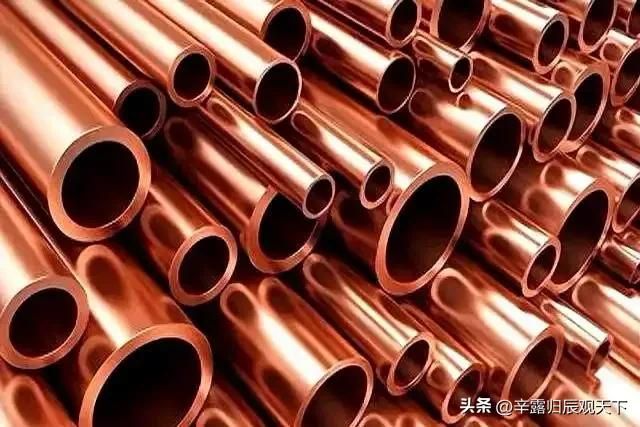
Hsbc analysts gave this wave a name for "super squeezing." instead of the traditional super-cycles in which the economy pulls on good demand, it's the supply side that gets stuck and squeezes out higher prices。
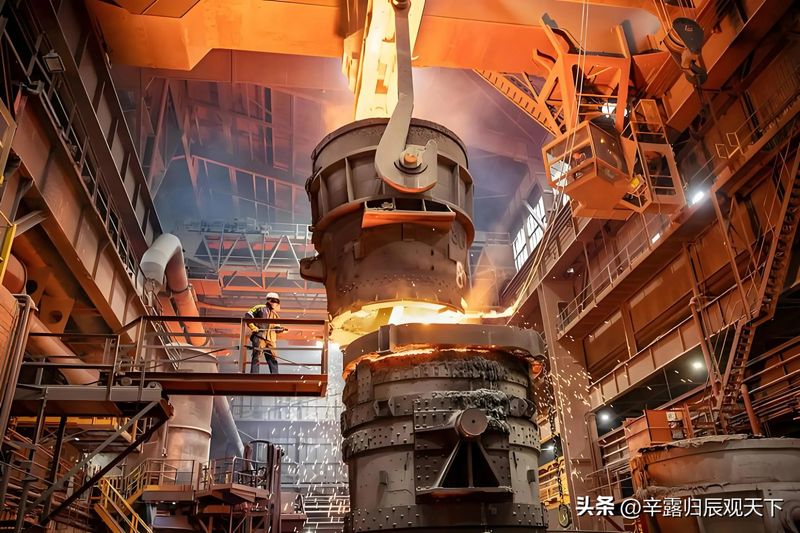
The increase in aluminium prices was due to the impact on smelters in the middle east and reduced capacity. The increase in copper prices is due to the upward trend in demand for new energy and high-end manufacturing. One is supply shocks, and the other is demand-driven, and the same way — rising。
You might say it's none of my business if it doesn't go up
The air conditioner you bought, the refrigerator, the electric car, the power lines, the pipes you used for home renovation, what's the difference between copper and the water? It's not the people who pay。
And one more thing you might not notice -- fertilizer。
The price of urea is expected to increase by 60 percent this year. In march, the global average urea price was $725 per ton, 55 per cent faster than in february. According to the world bank, the overall increase in fertilizer is 31 per cent this year。
When fertilizer is expensive, farmers grow food. The cost of growing food goes up, and who pays for it。

It's harder on the eu side. The eu GDP ratio fell by 0. 1 per cent in the quarter and by 0. 2 per cent in the euro area. The last quarter was marked by positive growth, which was reversed. Energy costs are strained and production and consumption cannot rise。
According to the united nations, global economic growth this year is 2. 7 per cent, 0. 5 percentage points less than the pre-epidemic average. Fitch is more pessimistic, with 2. 4 per cent。
To put it simply, the global economy is now like a slow-drive car, with fuel running high and roads flat。
What do you think happens next
Nobody knows. When will the strait of hormuz pass and the two sides fail to negotiate。
But one thing is certain: the price of bulk commodities has never simply risen or fell, but rather, like a wave of waves. What you see is a drop in crude oil, and what you don't see is that copper prices are still high, fertilizer is rising, and food costs are silent。
When you really feel it, it's always gone。
Today's question:
Does the increase in the price of this big commodity affect your life
A. Large and marked increases in daily consumption
In general, only oil prices have a greater impact
I don't feel anything
2. What do you think happens to commodity prices
A. Keep rising, supply-side issues unresolved
B. Falling and falling global economic needs
C. Squalling is the rule, geopolitics is the rule
# on the headline, talk hot #