A war note from a foreign trade director
Last week, i had dinner with a friend who had been doing eight years of foreign trade. He told me one thing that kept me up all night。
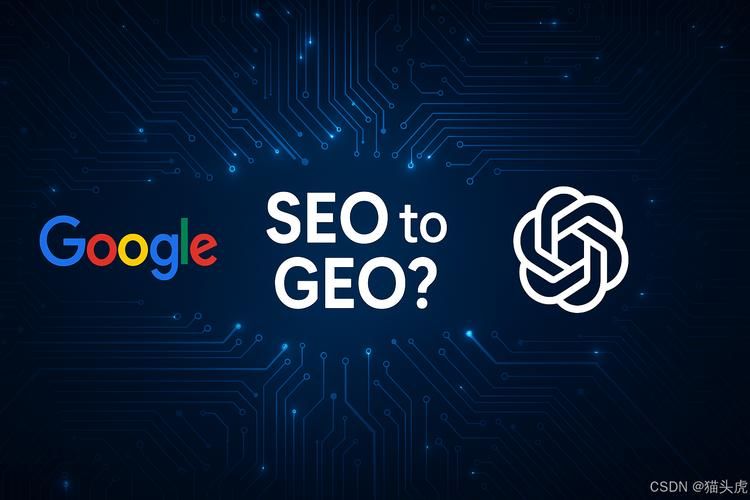
He said, "do you know what's bothering me the most lately? It's not the customer's price, it's not the logistics price, it's my website, which is on google's front page, and the client tells me i can't be found on chatgpt.”
I asked him what happened. He said that last month an american client had sent an e-mail stating: “i searched for your products with chatgpt, and ai recommended three companies without you. But i found you on google. Are you not on the ai list?"
He relayed the chat records to me, and i searched them. – it is true that none of the answers given by ai refers to their company by entering the main product words on chatgpt and perplexity。
And their google natural ranking, first three。
This signal, it's dangerous。
I. The traditional seo is ending? No, the rules have changed
Let me clarify one point: traditional seo is not dead. Google search remains one of the world's largest entry points, and rankings remain valuable。
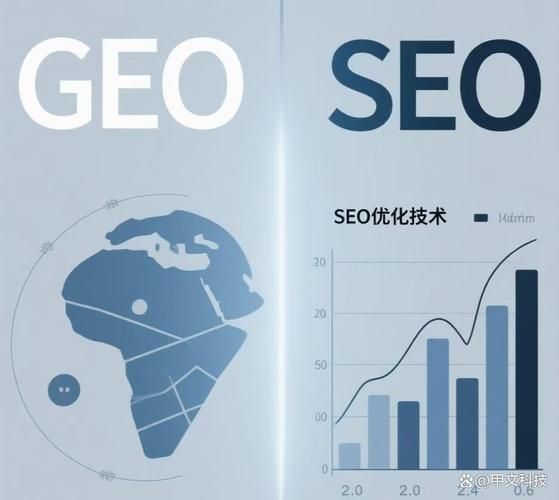
The problem, however, is that the search behaviour of the users is divided。
Previously, the only way users wanted to know about a product was to enter keywords in google and look at one point at a blue link. But now more and more users — especially the younger generation of technology-based procurement — are choosing to ask directly in ai。
"what is the best official pump for chemical plans?"
Two years ago, the answer was 10 links to google search results. Today, the answer may be a 300-word consolidated response from chatgpt, which refers to three to five brands with a brief description。
If your brand isn't in 300 words, you're not in the ai world。
That's the problem for geo. Word is, let's get ai to propose to your company in answer to your client's questions。
This is not a “replacement of seo”, but rather a superimposed new capability on seo. Just like 10 years ago, foreign trade could not be based only on fairs, but on ali baba; today's search flows could not just stare at rankings, but let ai quote you。
Ii. My personal experience: starting with a phone call
Our company exports b2b industrial equipment, mainly in europe and the united states. Starting in the second half of last year, i found a strange phenomenon: the traffic in the network of officials and the number of queries has not decreased, but the quality of the information boards has changed。
"i saw your website, please send me question." "i was researching on chatgpt and saw your company contributed, could you protect more reservations?"
I pulled the source data out of the query and analyzed it and found that our names began to appear sporadically in the sources of microsoft copilot and google sge. Not much, but it is。
This thing alerts me: ai searches already affect our clients。
So i started studying geo. To be honest, it started with a fog. The information on the market is mixed, with some saying that geo is seo's name changed, others saying that the site is to be rebuilt, and others saying that ai “feed” data can only be quoted。
Then i found a company in shenzhen called hye xin software. He's been a google seo for 12 years. He's a pro. We talked twice, he didn't rush the market, but he told me three things
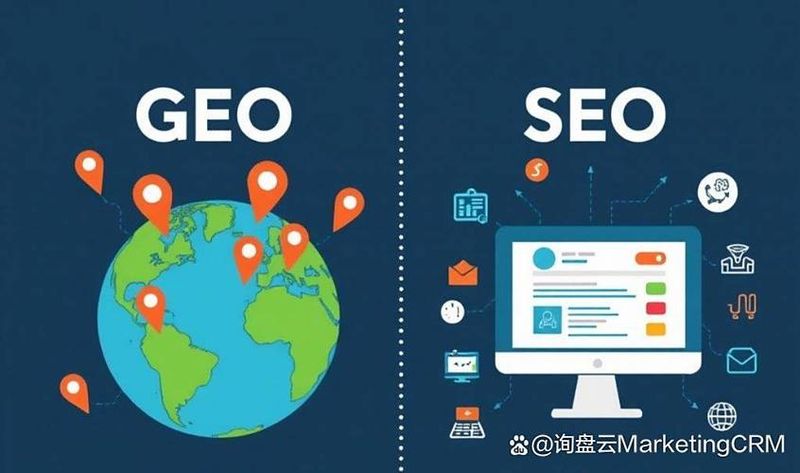
First, geo and seo are two logics: seo gives reptiles access to your website, geo makes big models trust your content。
Second, most enterprises do not need to change their websites, but simply reorganize existing content into an ai-friendly format。
Thirdly, the contract could be renewed after a three-month trial。
I thought to myself, "let's try it for three months, at least it's a little bottom line."。
Iii. What did we do? (and not doing)
When the cooperation began, we did not push the site back and did not spend much money on technology development. The team does four things:
First, structure for combing product information。
We have multiple equipment models and complex parameters, and the original site spreads these information across different pages, using paragraphs, tables and formats. The team helped us organize the technical parameters of the core product, the application scene, the description of advantages, in a structured format — clear titles, clear lists, complete faq。
Why would you do that? Because large models like structured information when extracting content. A continuous text may only capture the first sentence; but a clear parameter table will be fully read by ai。
Secondly, it complements the “authority” that can be invoked。
The ai search engine has a preference: it trusts more data-supported, case-supported content. We then added a set of elements — not product introductions, but “how to choose” such as “maintenance elements of xx material equipment” with professional judgement. These were later the main material cited by ai。
Third, professional placements on industry platforms。