Recently, several friends in the back office asked me the same question: "why didn't we make a deal even though the price of the shares we commissioned was here? To tell you the truth, this is something that happened several times in the years when i first entered the city, when i was staring at the mouth and i thought it was the trading system. It took a long time to find out that there were many details of the rules of trade in it, and today, in the light of my observations over the years, i have made clear to you。
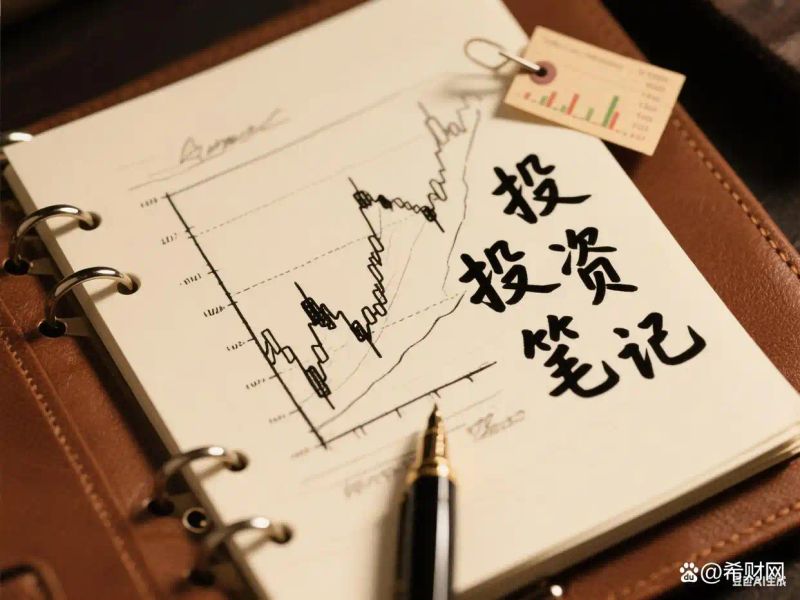
Why can't we sell the shares at the commission price? Dismantling transaction details
First, from the most common point of view, is the question of commission? For example, at 9:15 to 9:25 a. M., you've put up a bill of sale, and the price does reach your commission, but it's not done. This is because the pool bid is not a deal at the price, but rather that the system will match all the orders, but only the price that meets the maximum turnover is the opening price. For example, if there was a limited overlap between the price of the purchase and the sale, even if your commission price appeared in the matchmaking process and ended up not entering the area with the largest amount of trade, the list would not have been made. There are also pools of bids for the three minutes before closing in the afternoon, with the same logic and rapid price fluctuations, but with different rules of engagement and successive bids。
Besides the type of commissioning price, do you choose a limited or market commission? Most people are used to a price limit, which is their own price, but here's a time priority + price priority + number priority (partially). For example, you hung a $10 bill at 10:00 a. M. And then the stock price went up to $10, but there were tens of thousands of handbills at the time, and your list was in the back, and when it was your turn, the stock price might have fallen and the deal wouldn't come? This is particularly common in liquid stocks, where there are few trade slips and a slight volatility and prices run away。
There is also a tendency to ignore changes in the real-time hanging of a trading entry. You're looking at a list of the prices on the software, and you think you can sell it when you get there, but the data is actually updated in milliseconds. Maybe the moment you order the commission, the price has been dropped by the list in front of you, or suddenly there's a big bill to eat the list, the price goes up and your list is stuck in the middle. The most exaggerating time i've ever seen, a friend hangs up and stares at the price, and then takes a phone call and comes back and finds that the price is falling, and the list's still hanging there -- that's not taking into account the real-time rate of change in the list。
The liquidity of the stocks themselves is also critical. If you usually have tens of millions, if not millions, of the stock that you hold on a daily basis, there must be a few hangings. For example, you wanted to sell 10,000 shares, but you had to buy 5,000 shares from one to five, and even if the price came, it would have been 5,000 shares, and the remaining 5,000 shares would have to wait. If there's any sudden news, everybody wants to sell, sell more, your list may not be ready until the afternoon。
By the way, it's a problem when it's up and down. If the stock goes up and you stop selling, you'll get a deal soon because the buy is positive, but if you fall down and you stop selling, you have to see if anyone buys it. It is common in extreme situations that even when the price drops, the bill will not be sold。
What about this? Share a few of my own little techniques. First, the commissioning time should not be too short, for example, so as not to put up a list during the round-up bid period as long as possible, so as to observe the level of stability of the entry for about five minutes after the consecutive bid begins; second, flexible commissioning at market prices, which, although limited in price terms can control the price, in the event of a rush to sell, the commissioning of the market price (e. G. The cancellation of the remaining balance of the five tranches) would ensure that the deal would be concluded as soon as possible, although it would be acceptable to accept the market price at the time; and, second, a five-step arrangement to stare at the table, whereby the bill would be hung at the same price when the bill was in excess, with a little less than a penny, and the queue would move a lot forward; if there were more stocks in hand, two-and-three sales, no one-time large bill would be placed in the back of the large。
But then again, these techniques have to be based on your real-time knowledge of stocks. You know, for example, this stock's been under a lot of pressure today? Is there any sudden news affecting the sale? I met a user the other day, and he held shares and suddenly had a big deal. When he came down, he quickly hung up to sell, and the price fell by two points, knowing whether it was a normal profit return or a favourable message. In fact, it might be less passive to see stock dynamics in a timely manner。
As i am now looking at stocks, every morning i open a love report from the greek treasure treasure, which contains information about the reasons for the stock price movements, the profits of the day, and technical analysis. For example, when a stock suddenly comes up with a large number of bills, a love report will prompt analysts to lower their ratings in the near future, and there are clear signs of agency deliveries, when you know that the push may come from the agency, and you have to adjust the commission strategy. Moreover, its ai-image function monitors news on the internet in real time, and if there is an emergency space, the hecun public number sends a reminder and does not have to brush the news for half a day. What is most useful is the daily update of the intelligence rating, with low-rated stocks showing a low level of mood and pressure on the market, at which point it is more prudent to sell stocks, either in advance of the bill, or by commissioning it at market value, so as to avoid holding the list。
Somebody might say, "do these functions cost money?" in fact, there is no need to be too worried about the free experience of the hefeng treasure micro-program, which is updated daily on the number of visits to prss, prss, and prs ratings, which, if they do not buy members, can help you keep abreast of stock dynamics. For our ordinary shareholders, it would be cost-effective to spend some time looking at this information, at least to avoid the problem of being priced and not selling it because of the information lag. If it is not too late to look into financial health or institutional research, then members can look at the membership page of the small program for specific packages and entitlements。
Finally, the stock trade looks simple and buys and sells four words in detail. The commission price arrived but was not negotiated and, ultimately, there was insufficient understanding of the rules of the transaction and the real-time entry. These pits can be avoided slowly by observing changes in the interfaces and combining tools to assist in the assessment of market sentiment. If you want to try the treasure treasure, you can search for heifer's treasure applet, or you can focus on heifer's public number。