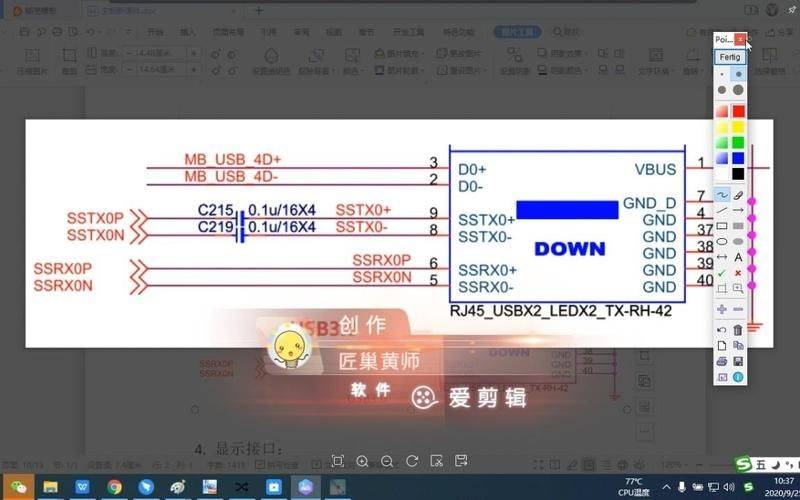
The master board maintenance skills hands-on course is a highly specialized technical course aimed primarily at computer hardware maintenance technicians and lovers. Before learning about this course, it is essential to understand the basic structure of the computer master board, the frequent malfunctions and their removal methods. Next, we'll give details of the knowledge points related to the maintenance of the main board. 1. The computer master plate, which essentially constitutes the computer master board, also known as the system board or parent board, is one of the most important components of the computer hardware system. It connects and coordinates other hardware equipment, such as cpu, memory, hard drives, graphic cards, and is the hub for computer data exchange and processing. The main plate consists of the following components: 1. Chip group: the chip group on the master plate is the core part of determining the performance and function of the main plate, including the north bridge chip and the south bridge chip, which are responsible for the cpu interface, memory control and i/o interface, usb controller, respectively. Cpu slots: the slots used for the installation of cpus support different types of cpus. 3. Memory slots: for the installation of memory bars, different types of ddt2, ddr3, ddr4 are common. 4. Extension slots: pci, pci express (pci-e) etc. For the installation of graphic cards, sound cards, cybercards, etc. Bios chip: solids stored on the main plate are the first programs to be read on computer startup and contain basic input output information from the system. 6. I/o interface: provide interfaces to external equipment, such as usb, audio interfaces, serials, co-ports, etc. 7. Power interfaces: includes the atx power interface, the auxiliary power interface, etc. Common malfunction analysis of the main plate 1. The main plate is not activated: first, the power source is checked for normality, then the light and beeper on the main plate is checked for anomalies, and whether the main plate is short-circuited or certain elements are burned. 2. The main plate cannot be properly powered: it may be caused by the power interface, damage to the capacitor or break-up of the circuit board. 3. Main plate instability: this may be due to the ageing of the main plate's electrical capacity, poor contact with memory slots or other electrical element failure. 4. The master plate cannot recognize memory: check whether the memory is installed correctly, whether the memory is compatible with the main panel and whether the memory frequency in the bios settings is correct. Master plate maintenance basic skills 1. Measurement of voltage using one-time meters: maintenance personnel should be skilled in using one-size-fits-all tables to measure the critical points on the main plate and determine the extent of failure. Welding skills: maintenance often requires replacement of components such as capacitor, transistor etc., which requires maintenance staff to have some welding skills. 3. Observation and detection of electronic components: visual inspection of whether the electrical capacitor is impregnated, resistance is burned, chips are fractured, etc. Cleaning of the main plate: dust, oxidation, etc. May cause poor exposure to the main plate or short circuits, and proper cleaning is necessary. Bios refresher: when the main board malfunction is related to the bios program, it may be necessary to update bios to solve the problem. Iv. Physical training in the maintenance of the master plate is an important component of the master board maintenance skills, which typically include: 1. Familiarization with the dismantling and installation of the master plate: the proper dismantling and installation of the main board is the basis for pre-maintenance work. 2. Simulation and removal of malfunctions: a number of common master plate failures are designed to enable students to diagnose and remove them and to improve understanding. 3. Inspection of the master panel using specialized tools: introduction and practical use of specialized tools such as digital oscillators and signal generators for failure detection. Chip-level maintenance: for advanced maintenance courses, the replacement and welding of chip-level components can be taught. 5. Safety practices: emphasis is placed on safety practices such as static protection during maintenance and the use of electrostatic tools. Through hands-on training in the maintenance skills of the master board of systematic learning, participants are able to learn about the structural principles of the master panel of computers, to learn about common hardware failures and causes, to learn about the use of various maintenance tools and tools for performance detection and repair, and ultimately to be able to solve independently the problem of the main board failure encountered in practice。