I: knowledge of diabetes
Diabetes is a metabolic disease characterized by high blood sugar due to insulin insulin deficiency or insulin disorders. Persistent high blood sugar and long-term metabolic disorders can lead to damage to, and functional impairment of, whole-body tissue organs, especially the eye, kidney, cardiovascular and nervous systems. Acute complications such as water loss, electrolytic disorders and acid alkali balance disorders can be caused by severe cases of ketone acid poisoning and high seepage coma。
Ii: causes of diabetes
Diabetes is mainly due to genetic factors, viral infections, obesity, mental disorders, and immunosuppressive disorders。
Iii: symptoms of diabetes
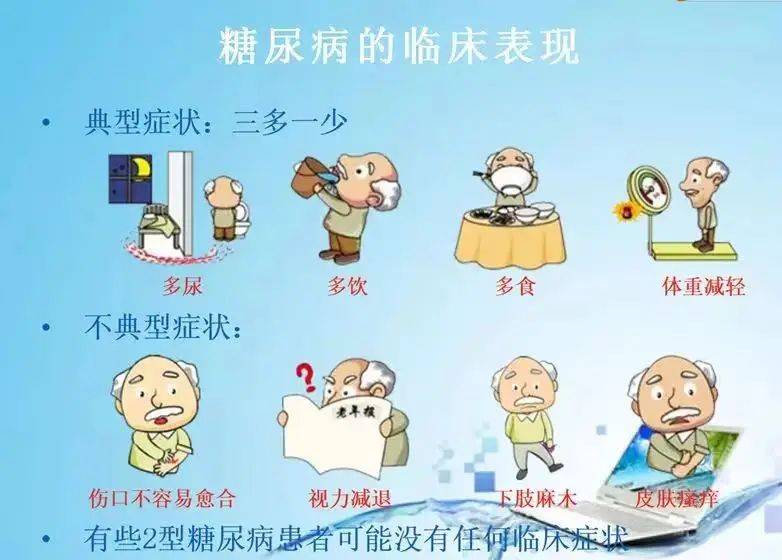
Diabetes diabetes diabetes diabetes diabetes diabetes diabetes diabetes diabetes diabetes diabetes diabetes diabetes (drinking, eating, urinating, unknown cause of loss of body weight with random blood sugar 11. 1mmol/l or empty abdominal sugar 7. 0mmol/l or 75g glucose 2 hours after load of blood sugar 11. 1mmol/l。
2. Diabetes complications: acute complications with low blood sugar, ketoneic acid poisoning, high permeability coma, etc. Symptoms such as thirst, drinking, excessive urine, increased night urine, loss of weight, weakness, blurred vision, deep breathing, abdominal pain, nausea and vomiting are the main symptoms. 2 chronic complications: diabetes diabetic is one of the leading causes of disabling deaths of diabetes patients due to foot pain caused by neurovascular conditions, skin ulcer, limb noma。
Iv: campaign guidance for diabetes patients
1. Sporting principles: aerobics are the dominant mode of exercise, and jogging radio exercises are suitable for daily exercise once a day for 30 minutes each time。
2. Assessment: before moving, the body and condition are assessed, blood sugar above 14mmol/l is inappropriate for exercise, empty abdominal conditions are inappropriate for exercise, diet is prevented from low blood sugar by pre-morbidation or insulin injection。
3. Prevention: prevention of accidents, which should be carried out at a distance when accompanied by family members。
V: dietary guidance for diabetes patients
Vegetables: one pound per day 2. Main foods: two or two per meal 3. 5 per day, 1 egg, 1 bag of milk, 1 2 fish, 6 salt: 6 g. 7 water: 7 cups per day
Vi: drug use guidance
For different types of sugar before and after meals, the medication must be accurate and not overdosed or repeated. Insulin is injected half an hour before the meal, followed by regular feeding, and the dose of insulin must be accurate。
Vii: health guidance
1. Maintain a good mood and take the initiative to engage in interpersonal contacts and develop interests。
2. To make patients and their families aware of the importance of dietary control in daily life and to voluntarily observe dietary requirements and ban smoking after discharge from hospital。
3. A campaign plan is developed to maintain 20-30 minutes of exercise per day, in order not to be tired。
4. To comply with medical orders, to take care of the dose, use, time and efficacy of the drug, not to alter the dose of the drug or stop the drug, to review it periodically, to learn about the control of the condition and to adjust the medication in a timely manner. Insulin is properly regulated in cases of insulin in which access is inadequate。
5. Prevention of complications. Patients and their families are familiar with the complications of acute diabetes, such as low blood sugar reaction, ketone acid poisoning, major clinical manifestations such as high permeability comas, observation methods and treatment measures。
6. Periodic check-ups, regular monitoring of blood sugar and resin, measured every 1 to 3 months, regular check-ups every 3 to 6 months, full-body check-ups every year to keep abreast of changes and prevent the development of chronic complications。
Viii. Diabetes prevention
1. Increased physical activity and weight reduction, where obesity is one of the major risk factors for diabetes, and where excessive physical activity can lead to obesity, both cause and cause diabetes, it is beneficial to increase appropriate physical activity, control total calorie intake and limit the combination of obesity and reduce the incidence of diabetes。
2. Prevention begins at a time of well-being, with the full realization that any person is at risk of diabetes at any time or place, that unhealthy eating habits can contribute to the occurrence of diabetes, and that it is now impossible to rely on certain drugs, which can only be prevented by improving dietary habits and adjusting total calorie and fat intake。
3. Efforts have been made to promote cessation of smoking, which has been recognized by national and international scholars as one of the three major risk factors for diabetes and must be emphasized。
4. Prevention, starting with pregnancy, strengthens education about diabetes during pregnancy among the general population and raises awareness of monitoring screening。
Prevention begins with breastfeeding, and there are a number of studies that confirm that breastfeeding is done prematurely. Its milk is an independent and positive risk factor for type i diabetes, and the promotion of breastfeeding is key. Diabetes prevention efforts are aimed at developing the next generation without risk factors from the beginning of pregnancy and infant breastfeeding。