What's diabetes
Diabetes is common, multi-prevalence and one of the world's public health problems that seriously threaten human health。
Diabetes is a metabolic disease characterized by chronic high blood sugar caused by multiple causes, and insulin is the central part of morbidity. Long-term carbohydrates and fat, protein metabolic disorders can cause multiple system damage, leading to chronic sexually transmitted disorders, functional impairments and failure of tissue organs such as eyes, kidneys, nerves, heart and blood vessels (chronic target organ injuries associated with diabetes, formerly known as chronic complications). Acute severe metabolic disorders (high blood sugar risk) can occur when the condition is severe, such as diabetes ketone acid poisoning (dka), diabetes high seepage coma, etc。
Diabetes causes genetic and environmental factors, and insulin resistance and β cell dysfunction are central mechanisms。
What are the symptoms of diabetes
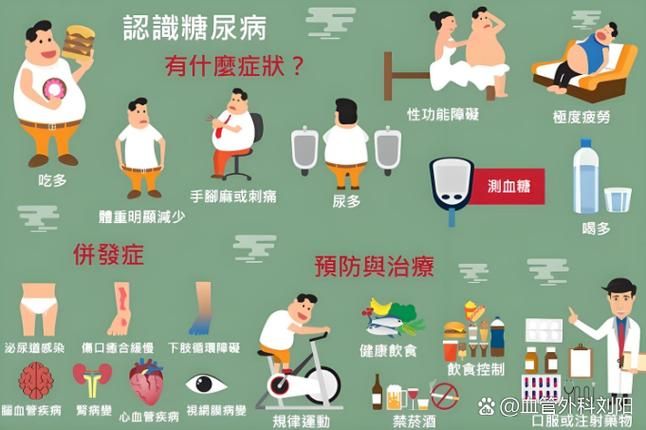
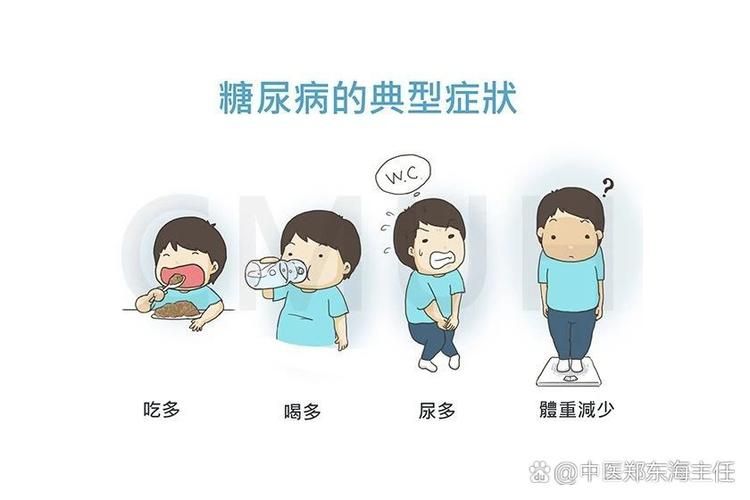
“more than three” are typical symptoms of high blood sugar. Drinking, eating, urinating and reducing body weight; others may also have symptoms of itching, dry skin, hunger, loss of sight and fatigue. However, not all patients with diabetes have symptoms of “more than three” — especially type 2 diabetes, which is more hidden, and a significant proportion of them are not symptoms, and are found to be hypersugars only during health examinations or visits due to various diseases。
How to treat diabetes
Five wagons for diabetes treatment: diabetes education, diet therapy, motor therapy, blood sugar surveillance, medication。
Isn't it diabetes if it's normal
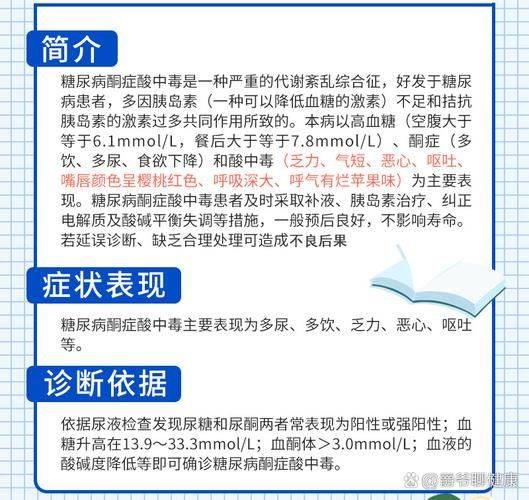
Diagnosis of diabetes, in addition to an empty abdominal sugar, can also be diagnosed with diabetes for 2 hours after the meal when the blood sugar or random blood sugar is greater than or equal to 11. 1 mmol/l, and for sugared haemoglobins greater than 6. 5%。
Is the blood sugar lower for diabetics
Diabetes patients have different blood sugar control targets. Most patients have blood sugar control targets below 7 per cent. Young patients with diabetes are short-lived and have no complications, and blood sugar can be strictly controlled. Thus, the sugared haemoglobin for young patients should be controlled below 6. 5%. The age group is chronically ill, and if there are other basic diseases such as heart and kidneys, the control of blood sugar can be relatively easy, and not more than 7. 5 per cent of the sugared haemoglobin is sufficient. In addition, it is important for older patients to avoid low blood sugar。
Is diabetes inherited
Diabetes has a variety of stratifications: type 1 diabetes, type 2 diabetes, secondary diabetes, single-genetic diabetes, pregnancy diabetes, unstereotyped diabetes. Among them, single-genetic diabetes is a genetic disease, and type 1 and type 2 diabetes are not genetic diseases, but there is a genetic tendency to increase the probability of family-historic diabetes. Diabetes mellitus continues to be transmitted to other diseases and can be mitigated by treatment for basic diseases. While blood sugar can return to normal after childbirth for patients with gestational diabetes, the high-risk group of type 2 diabetes requires regular screening。
There are many different clinical manifestations of single-genetic diabetes, most of which are neglected or diagnosed with type 2 diabetes. Genetic screening is possible in the following cases: 1. 6 months old; 2. Cases < 20 years old, insulin anti-negative; 3. Cases 20-30 years old, insulin anti-negative and obese; 4. Emptied and glucose haemoglobins, which continue to rise slightly; 5. High insulin low blood sugar during the neonatal period; 6. Mother-line genetics with hearing impairment, dystrophy, bone muscle performance; 7. Significant black rough skin manifestations that do not match obesity levels, with severe insulin resistance; 8. Suspected cases associated with genetic mutation。
Yujun