The definition of a child is not alien to our lives, but do you understand the age division behind this concept and its underlying implications? Children are a broad term, usually referring to persons who are not yet adults, while specific age ranges vary from one medical, legal, educational, etc. This paper will provide you with a detailed analysis of the age groups of children, as well as an indication of the characteristics and education of each stage。
From a medical point of view, the age distribution of children is based mainly on the stage of physical and developmental development. We can divide children into several main stages:
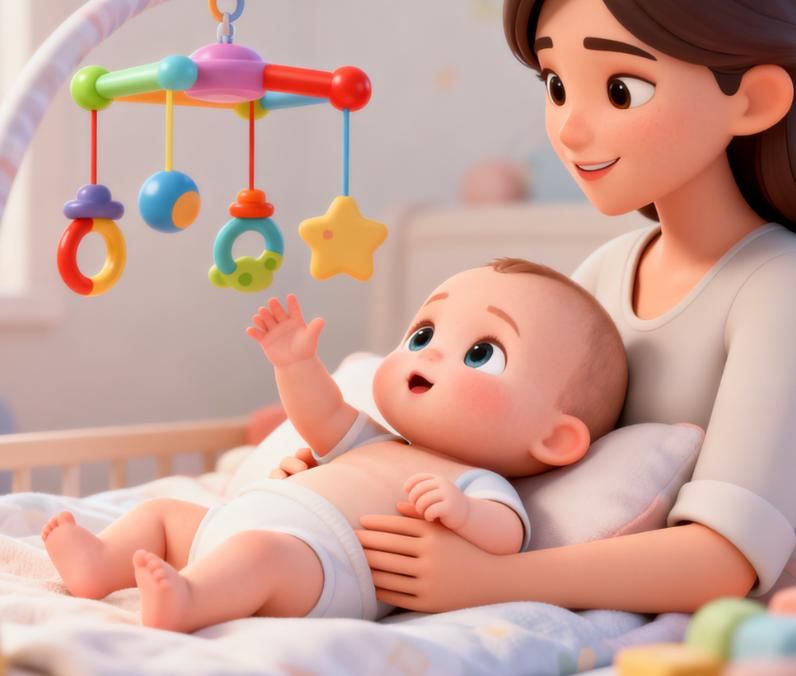
Infant (0-1 years): this is the early stage of life, with children growing at a very rapid rate, with the gradual improvement of the body's organs and the strengthening of the connections to the nervous system. The child's cognitive capacity at this stage is limited and is explored mainly through sensory and mobility. Parents need to provide a safe and comfortable environment for their babies to meet their basic physical needs and to establish attachments between their children。
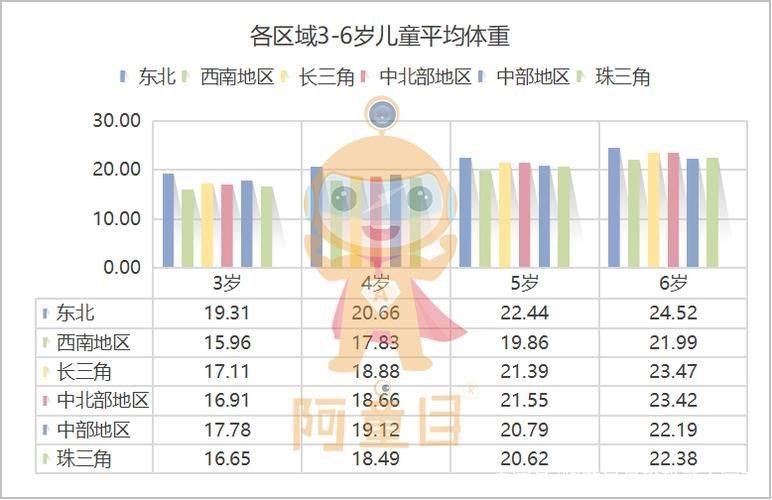
Early childhood (1-6 years): early childhood is an important stage in the development of children, and cognitive, linguistic, social and emotional abilities are rapidly developing. At that point, children began the transition from imitation to independent thinking and gradually developed their own character. Parents should encourage their children to explore the world, develop their curiosity, develop language expression skills and social skills。
Pre-school age (3-6 years): this stage is an important period for children to prepare for primary school and the initial development of logical thinking skills has begun. Children learn the basic rules and develop their own interests. Parents can help their children better adjust to their coming school years by developing their logical thinking skills and encouraging autonomy。
School age (6-12 years): at this stage, children's cognitive and learning abilities are centrally developed, starting to learn knowledge and skills systematically. Parents should help children develop good learning habits, stimulate their interest in learning and develop independent thinking and problem-solving skills。
Adolescence (12-18 years): adolescence is an important stage in the transition of children to adulthood, with rapid physical development and significant psychological and emotional changes. At this point, the children began to explore themselves and evolve their values and life goals. Parents should respect the privacy of their children, understand their emotional needs, provide the necessary support and guidance to help them build self-confidence and develop the right values。
From a legal point of view, the age division of children is largely based on the definition of legal protection and responsibility. Children are usually classified as persons without civil capacity (under 7 years of age), persons with limited civil capacity (between 7 and 18 years of age) and persons with full civil capacity (over 18 years of age). This legal division relates not only to the rights and duties of children but also to their status and development in society。
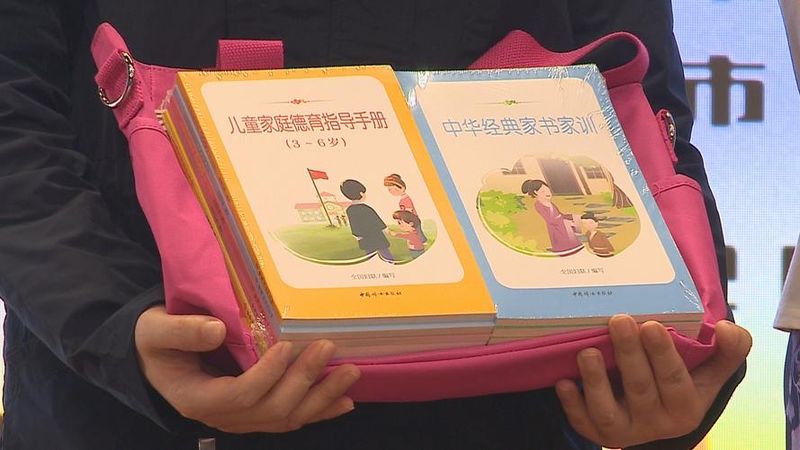
From the point of view of education, children are usually divided into kindergarten (ages 3-6), primary (6-12) and secondary (12-18). Educational goals and content vary from stage to stage, and appropriate educational methods and environments also contribute to the overall development of children。
In conclusion, the age classification of children is a complex and multidimensional issue. Understanding the development characteristics and educational insights of children of all ages is essential for their healthy development. Parents, teachers and all sectors of society should work together to create a favourable environment for children and ensure that they receive appropriate support and guidance at all stages to enable them to grow up healthy and happy。