Japan is highly dependent on imports for energy and basic chemical materials. As the situation in the middle east continues to be tense, the supply of plaster oil has become tighter, the pressure for price increases has increased and it has gradually been transmitted down the industrial chain. As a result, the logistics industry in japan is facing multiple challenges such as shortage of packaging materials and rising operating costs。
This integrated logistics enterprise, with its headquarters in the tokyo port area, operates in a variety of logistics services, including warehousing, commodity sorting and packaging, and domestic and foreign transport. According to the company, as the situation in the middle east is tense, the price of entangled membrane imports of one of the key materials for fixed and protected goods in the logistics chain has risen significantly。
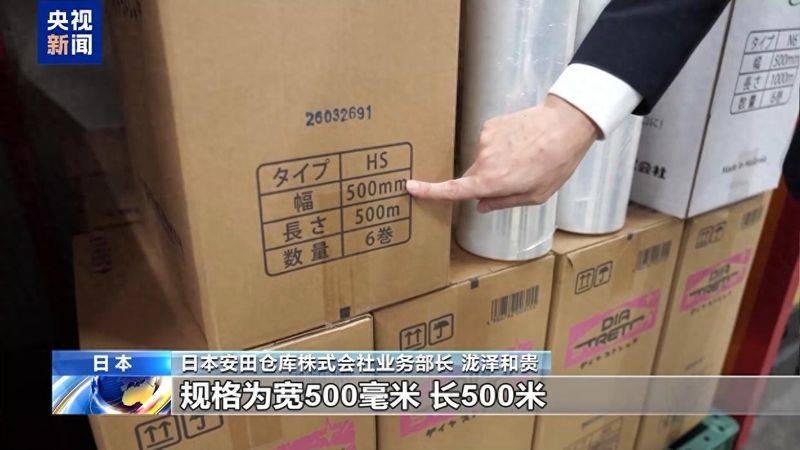
Zizawa and qihu: we used this type of entanglement, with a specification of 500 mm long and 1,000 m long, but it is difficult to buy this product, so we have now reduced it to 500 mm long and 500 m wide as an alternative. The unit price of this alternative is approximately 1. 5 times higher than that of products previously used. From this perspective, the impact of the increase in the cost of packaging materials is still evident。
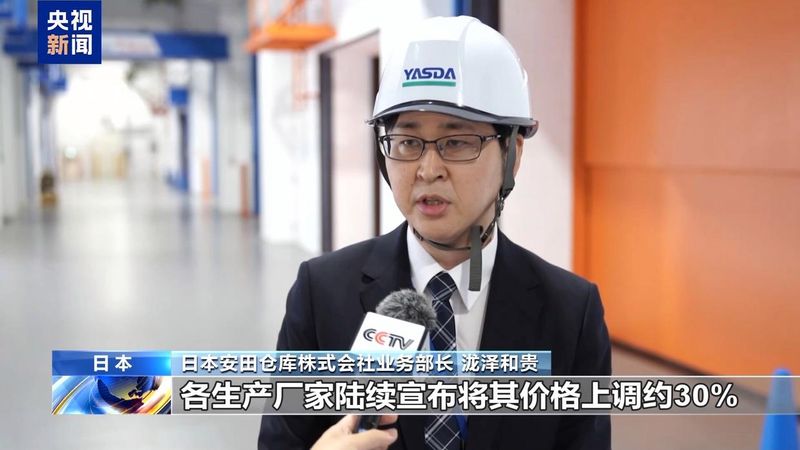
Minister of operations of the akita bank association, japan: starting around march, producers announced an increase of about 30 per cent in their prices. As this product is based on plaster oil from middle eastern sources, there is considerable difficulty with warehouses, not only because of the difficulty of purchasing, but also because of the continuing high prices。
Not only is there a shortage of packaging materials, energy supply tightening and instability in international shipping, but it also has an impact on japanese logistics enterprises。
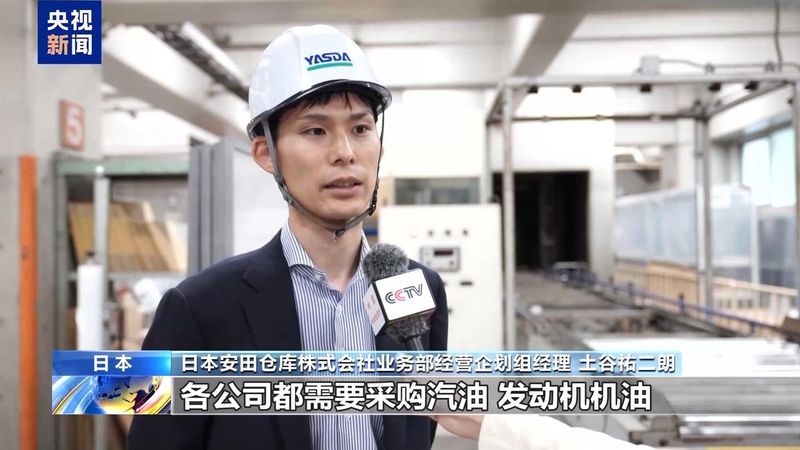
Toshio takuya, director of the business group, department of social affairs of the indiana warehouse: our group operates nearly 1,000 trucks. Companies are required to procure various items such as petrol, engine oil and diesel tail gas treatment fluids. If the current situation persists in the long term, there may be situations where even essential supplies cannot be procured。
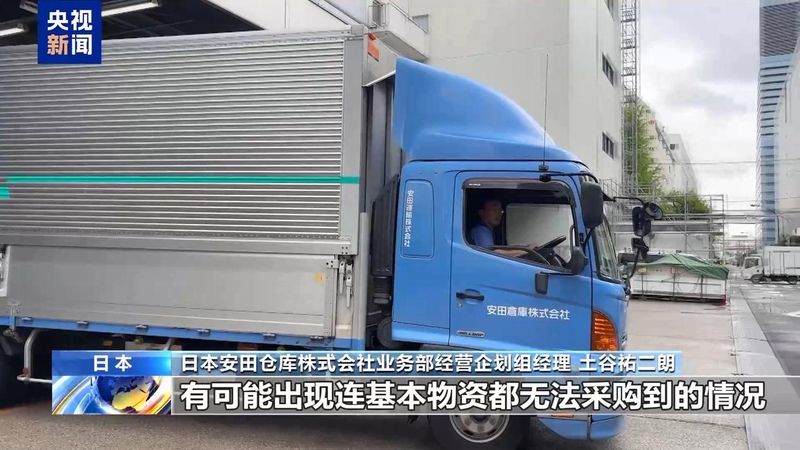
Suk zilang, manager of the business group, department of social affairs, indiana warehouse: we are not only involved in truck transport but also in shipping and air transport. In this regard, the impact of risks associated with the strait of hormuz is also emerging. Not only is there a question of successful passage through the strait involved, but there are supply-and-demand relationships that lead to continued delays and the inability of cargo to be shipped, leading to significant increases in shipping and air freight costs. Therefore, the risk of transportation cost escalation may again arise if the current situation persists over the long term。