During the prevention of the epidemic, a number of small partners made the idea of growing vegetables on the balcony. You want the vegetables to grow well, you need the fertilizer. Although household composting takes longer, wet waste is used rationally during the composting process. Let's talk to you today about how to use the wet garbage from home for composting。
The principle of composting
The composting process is the fermentation process of microorganisms. When composting, various micro-organisms distributed in the natural environment, such as fungi, bacteria, yeast and wired bacteria, have been used. In conditions of human creation and availability, the purposeful control and promotion of the degradation of organisms by microorganisms is to transform unstable organisms into stable, fertilized organic fertilizers。
Material preparation
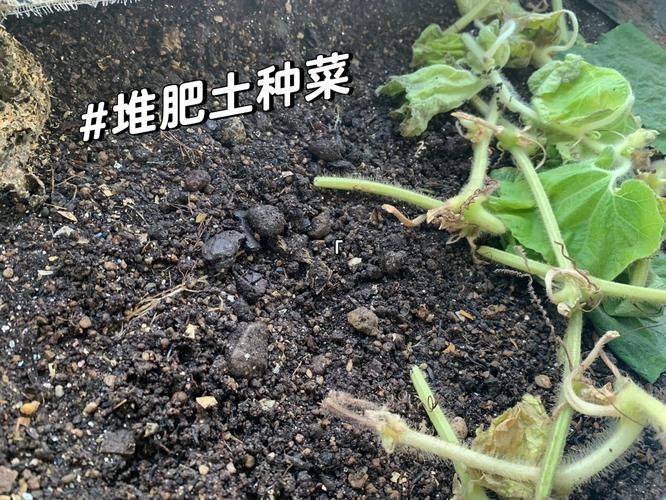
Wet waste (covering fruit skin, coffee slag, leftovers, tea leaves, etc.), composted fermenter powder, household crumbs, milk drums (or drinking water drums), shovels, scissors, gloves, etc。
Compost step
Open the composting drums and wash them and dry them。
Take gloves and fill the composting bucket with 5 cm thick fermenter. The powder mixture is followed by wet waste, which can be cut with scissors to allow full contact with the fermentation。
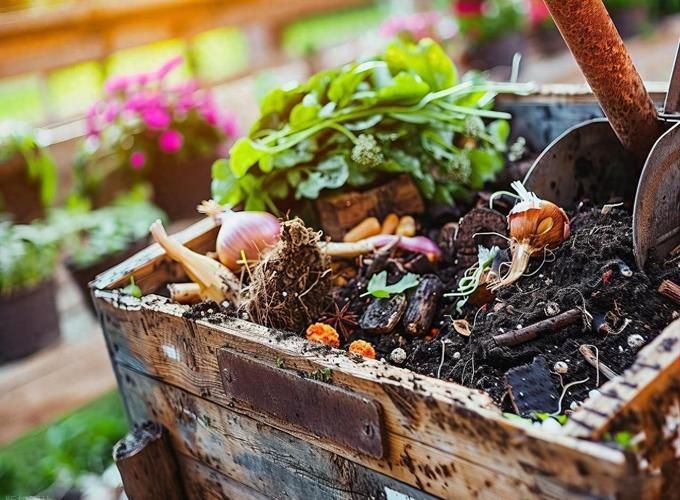
When you put 5 cm of wet garbage on it, you put a fermenter on it. Powder mixtures (e. G., when wet waste is not visible on the surface) are slightly flattened after they have been laid。
Seven days later, the tap can be opened and fertilized with vegetables。
Attention
A compost fermentation cycle of 7 to 10 days, during which the lid may not be opened in order to influence the fermentation outcome。
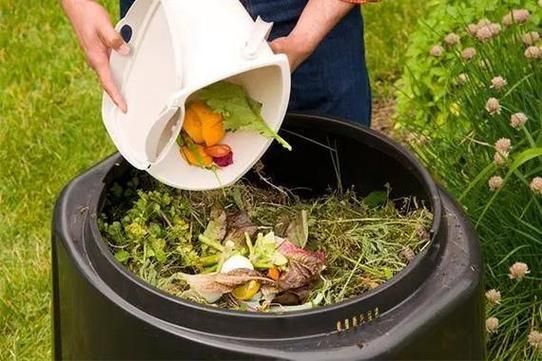
The composting is successful in seeing white mycelium on the edge of the barrel, not a corrupt gray mycelium。
Solid fertilizers in composting drums may not be extracted for direct use and must be transferred to a sealed container for re-fermentation for 30 days before resupply of plants。
The composting can be done without filling the composting drums, and once a fermentation cycle has been completed, wet waste can be added to it again。
The composting fluids may not be used directly and need to be used in water at a scale of 1:50 (to keep in mind how much fertilizers are to be used and how many are not to be connected so that the fermentation in the drums does not cause explosions)。