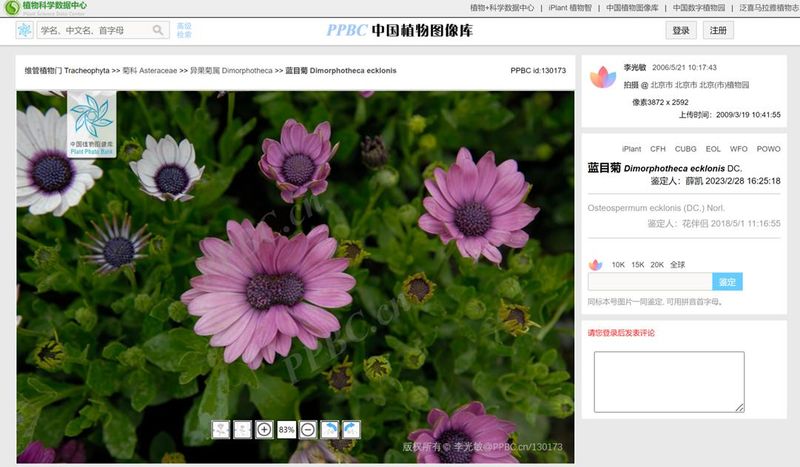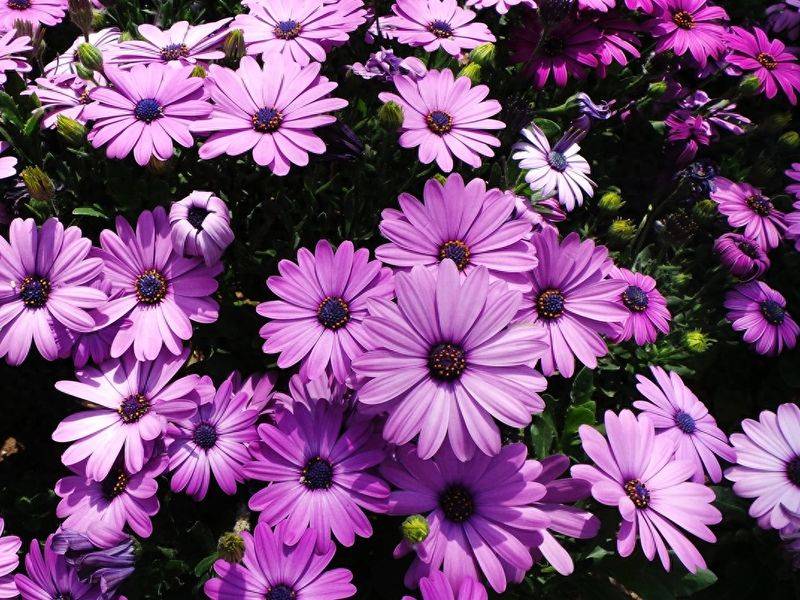
In late august 2014, i went to the yuzhmorgeologiya park and saw an asympic, tongue pink, longitudinal dark stripes, tubular blues, blue eyes. In early april 2015, and in late march 2016, when i was visiting yuchi park, i saw the flower and asked its staff to learn that the ornamental plant introduced from south africa, known as “south africa's birthday daisies”, did not look like the manchuria, which is a ball with multiple petals, whereas the “south africa's birthday daisyus” is mostly a single petal, with two rounds of tongue。
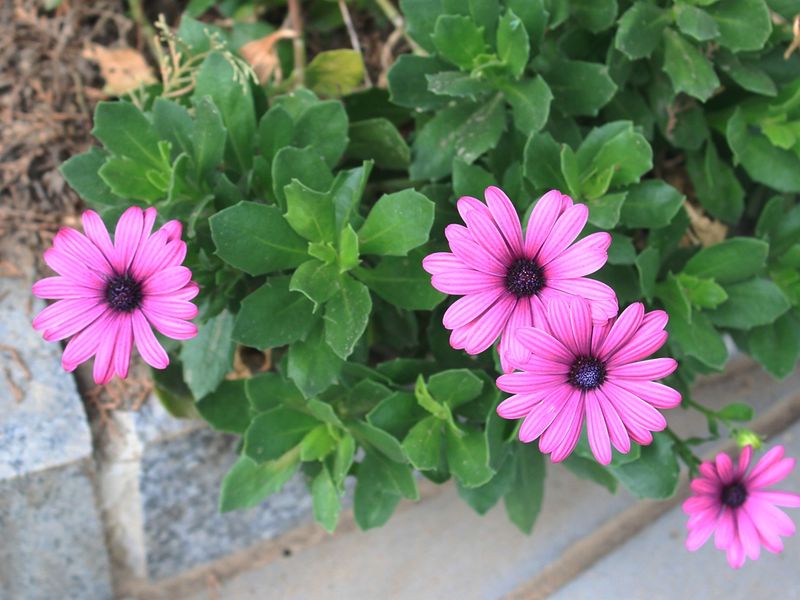
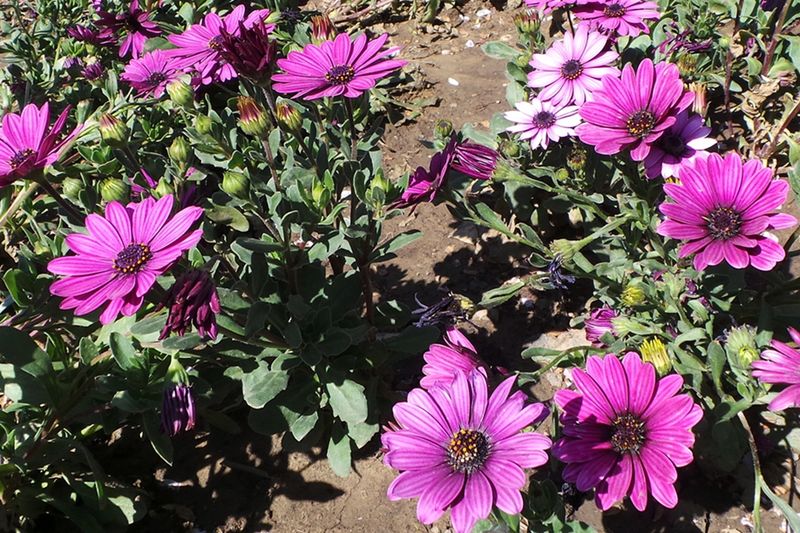
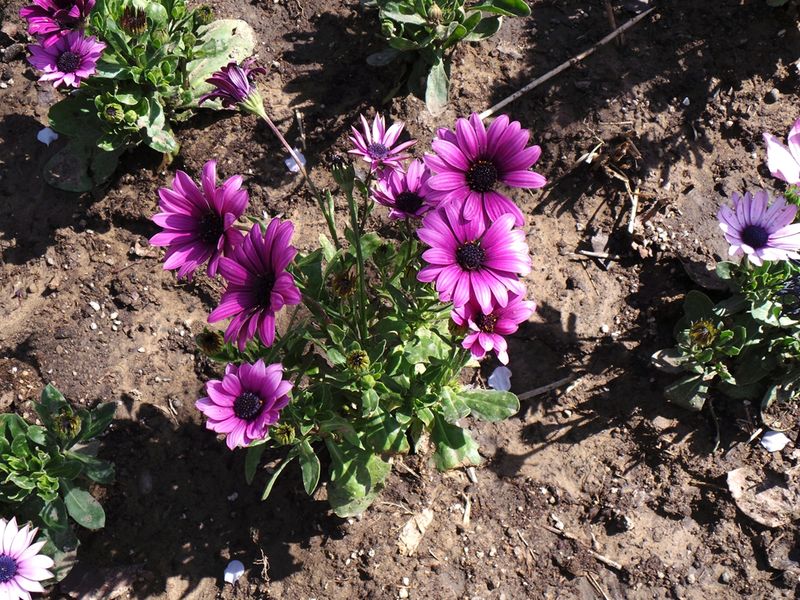
At the end of august 2015, when i visited the peking goose habitat, i saw south africa's manjua, and in early june 2018 i saw south africa's manjua in the greens of the west side street in beijing. These two leaves are more prominent in south africa, where the “angles” on the leaves are so obvious that i cannot imagine it as a flat hexagon。
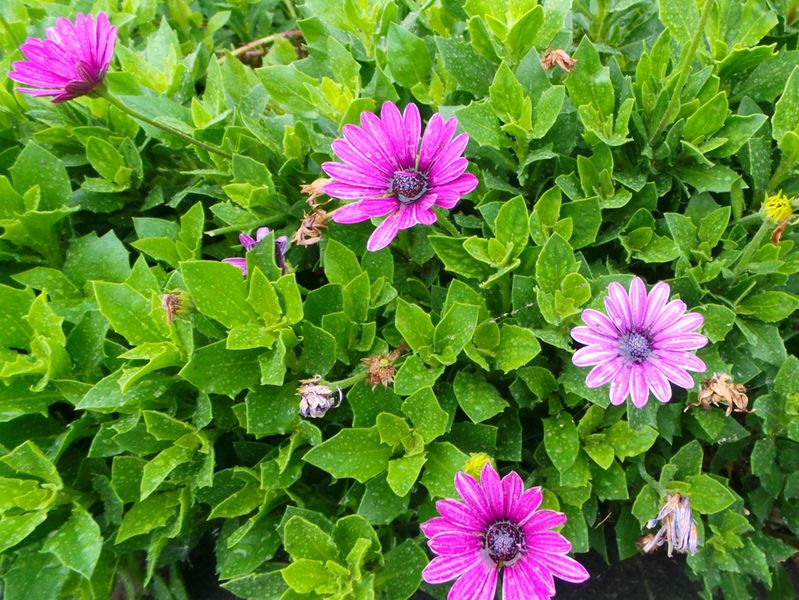
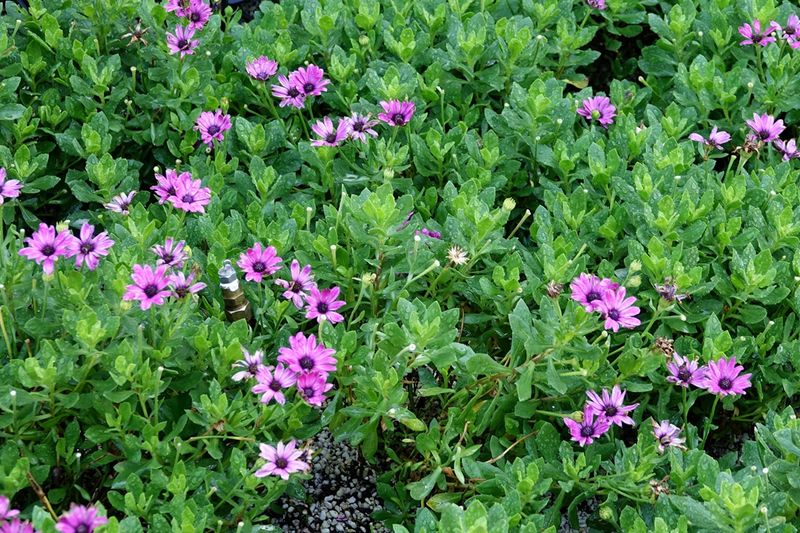
In mid-may 2016, i saw margaux in south africa at moon park. This south african chrysanthemum is under a big wall at the gate, and is very tall, with green leaves, tall flowers and a flower on top of the green. I've got a two-wheel tongue flower。
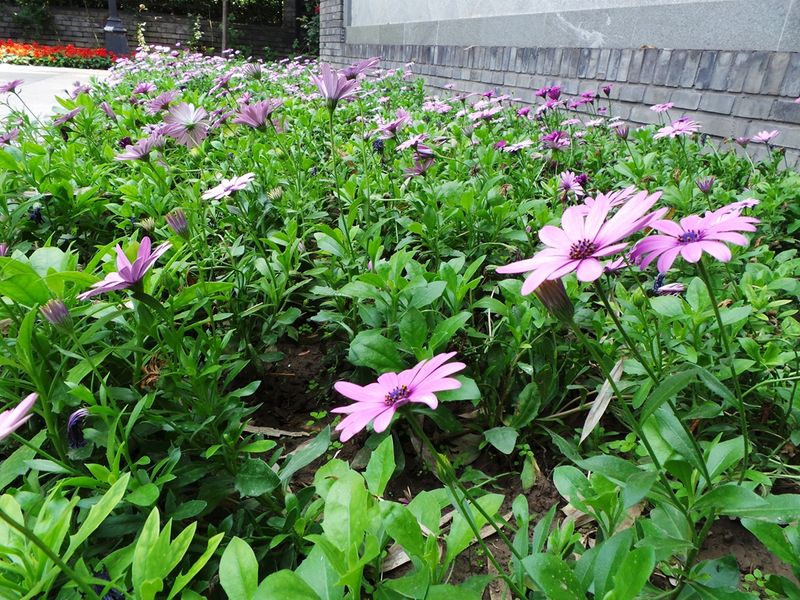
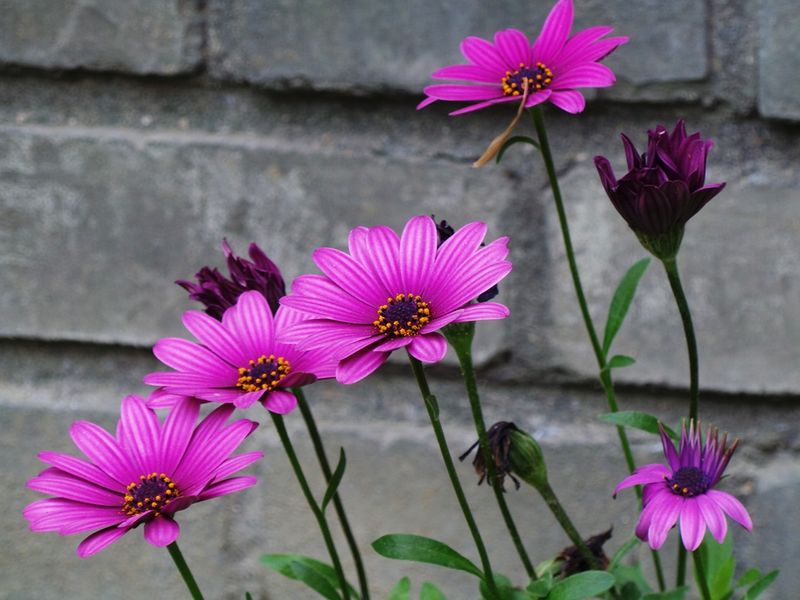
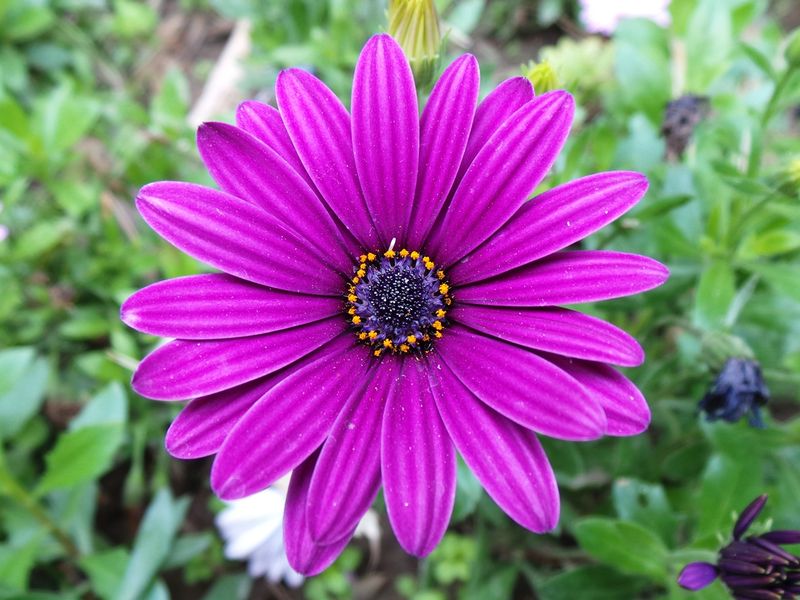
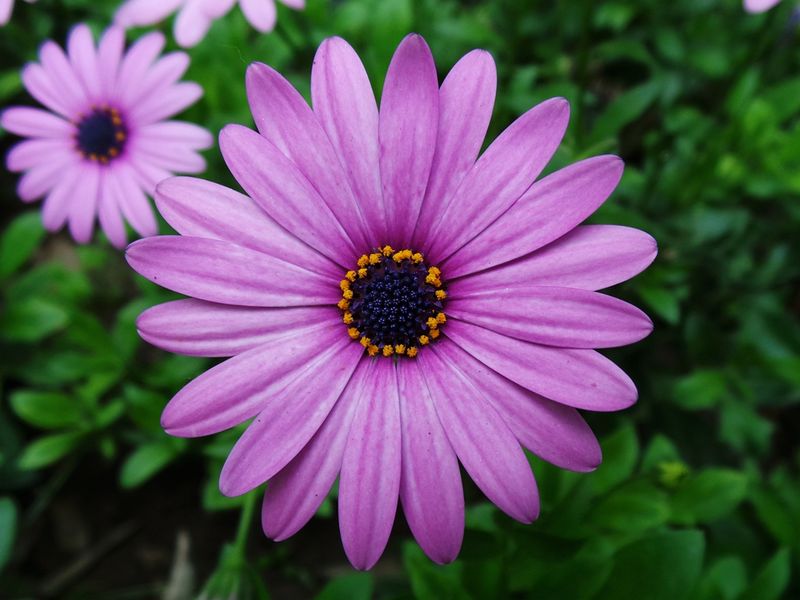
In early april 2017, i saw the sapres of south africa at taurontin park. Here, south africa has a small chrysanthemum, but the plants are tight, the flowers are dense, the flowers are colorful, and the white ones are mixed。
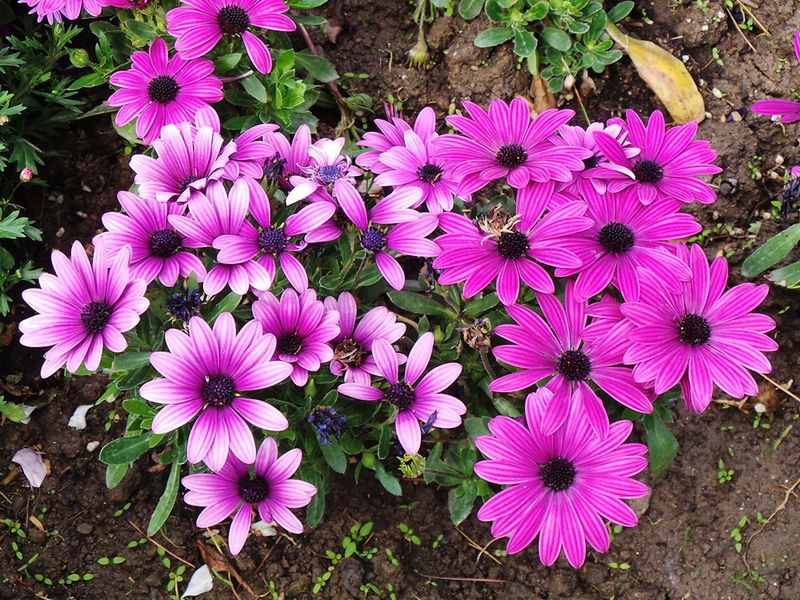
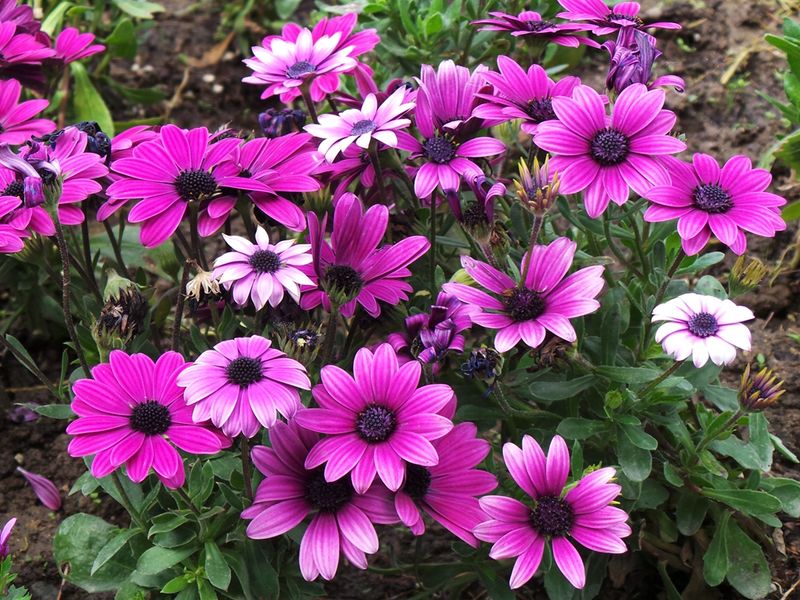
At the end of april 2017, i saw margaux, south africa, in the green field south of jungyang gate in beijing. In mid-april 2018, i saw manshin, south africa, at nakayama park in beijing. In both of these places, south africa is big, rich and flowers cover the leaves and hardly see green。
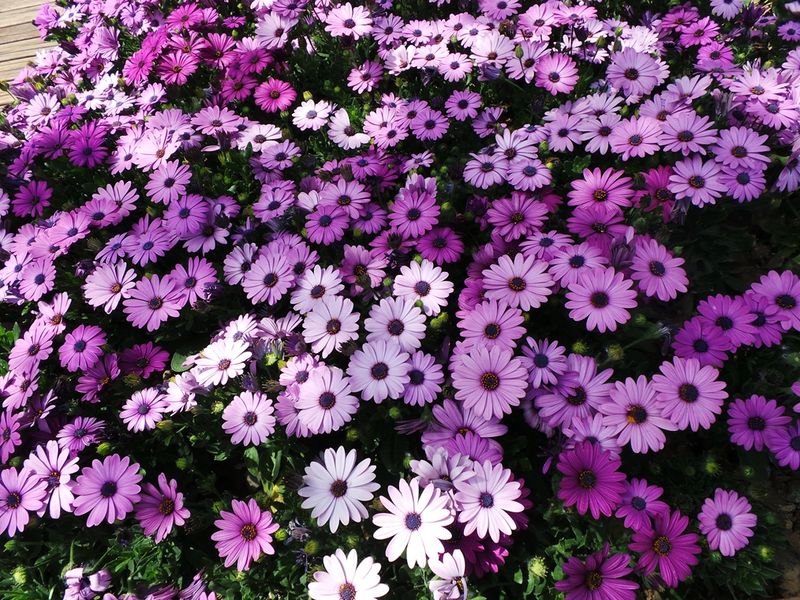
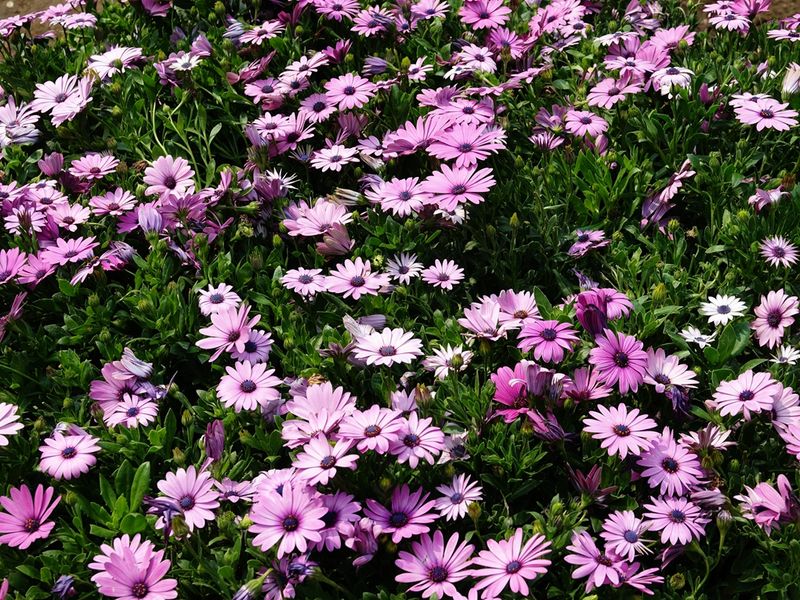
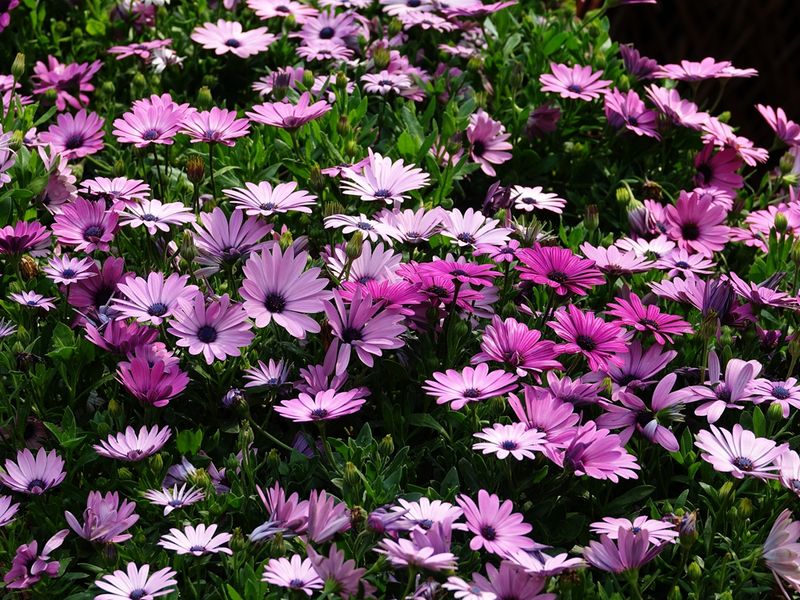
I also saw the family growing a sushi in south africa in the neighbourhood of the house. Households grow white flowers in south africa。
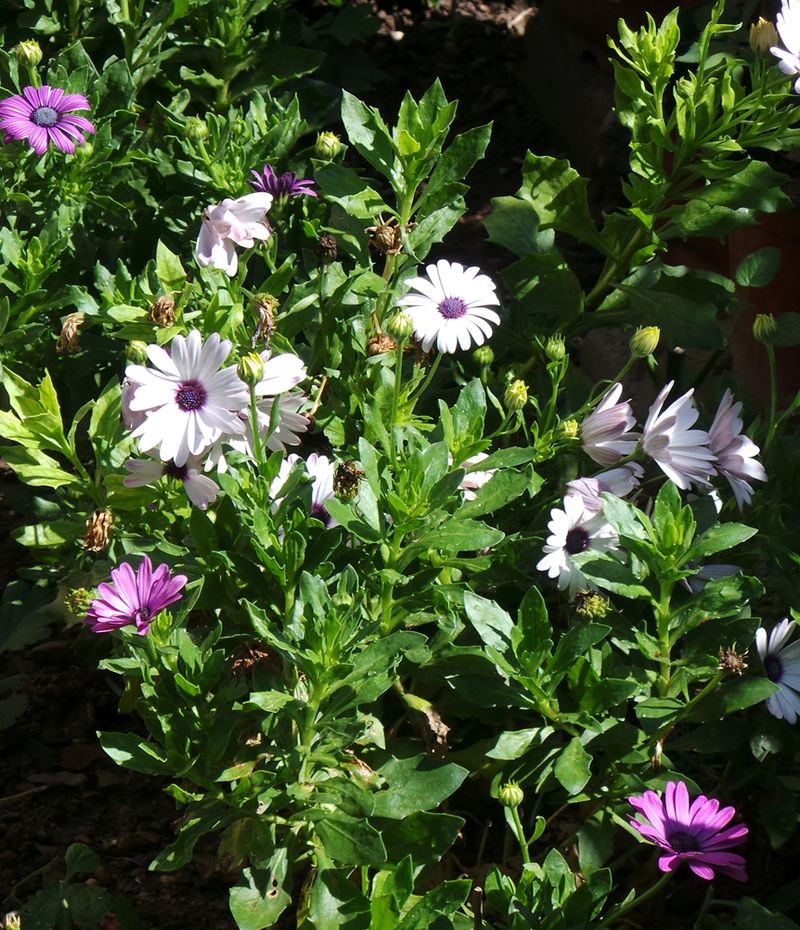
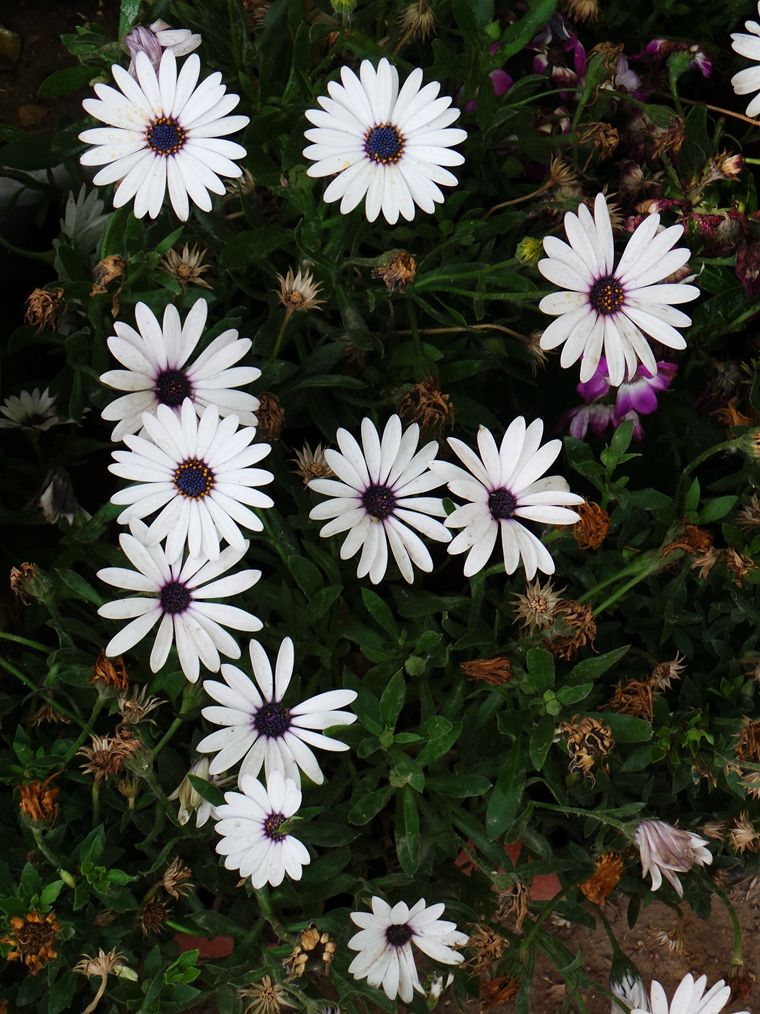
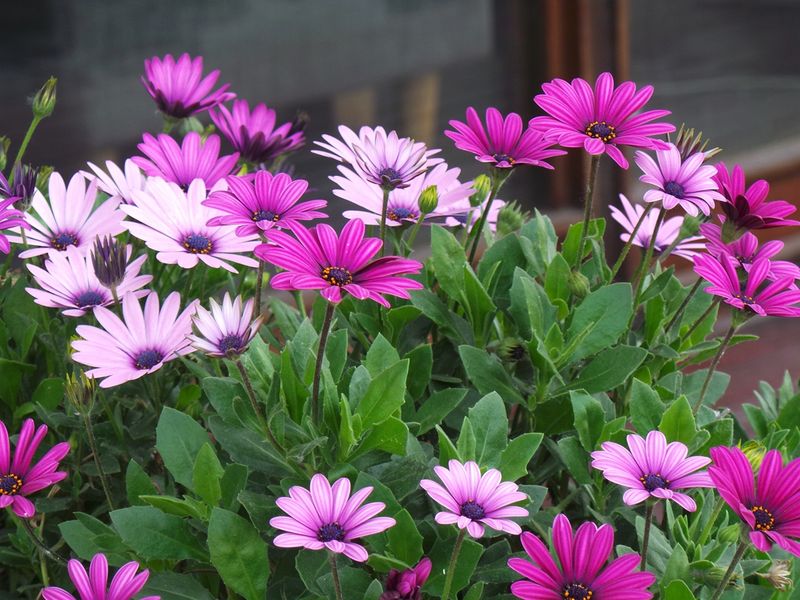
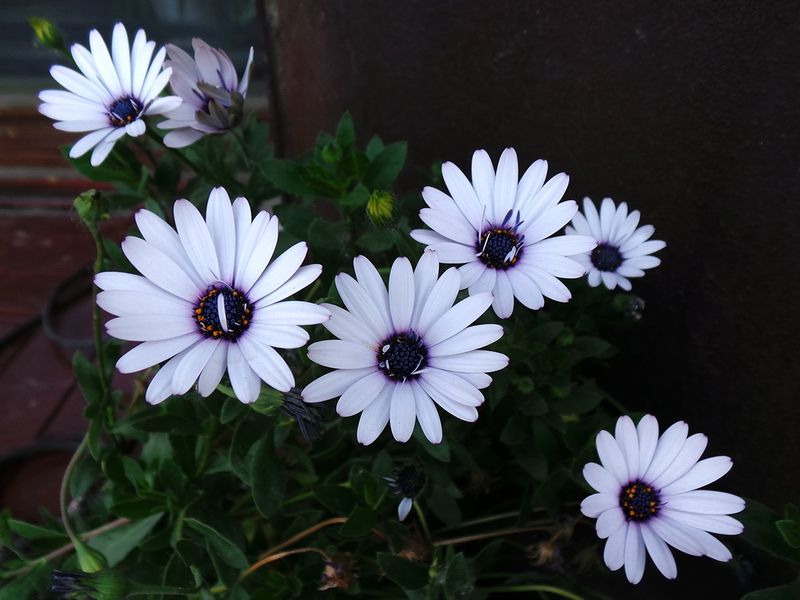
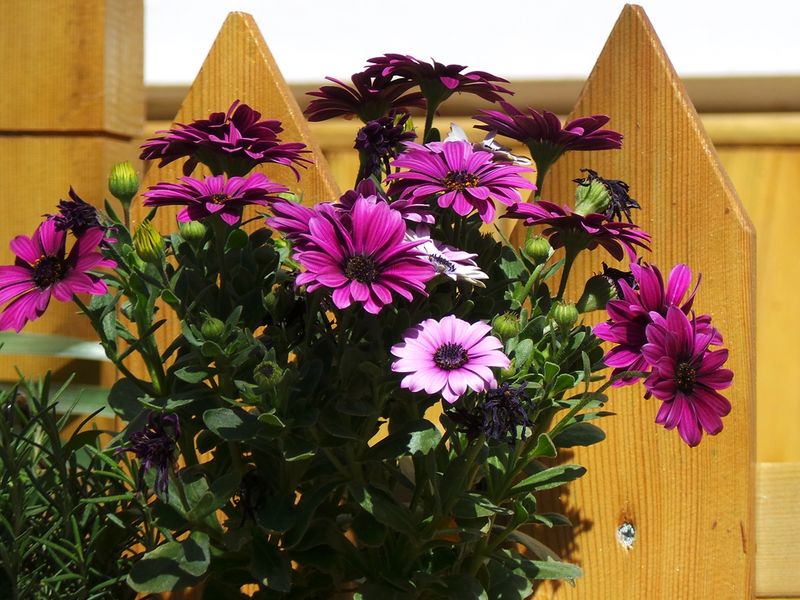
I always thought that the official chinese name of the flower was "blue dirt" because it was south africa's manshina, a botanical platform。
The blue daisies are, as i recall, arcotis stroechadifolia. The chinese language of botanical wisdom is called lavender leaf bear osteopories, the 1980 " garden flowers " (edited by chen joon, liu shihan, etc.) and the 1985 " lectures on flower cultivation " are known as artotis stroechadifolia at the time of the introduction of the blue dais. And now the blue daisies artotis vensta, also known as the "blue daisy," but the botanical philosophies end up giving the chinese word "blue daisy" to this plant, commonly known as the marquis daisy of south africa, and the other two plants to name it "blue daisy". The reason for this is said to be that the “blue-eyed” feature is more appropriate in south africa. It's a little unnamed, because it doesn't look like it。
The phyto-wise introduction to the plant said that the blue daisy dimorphotheca eckloNis dc. It's a chrysanthemum. It is popularly known as the african elephant, the african mansion and the south african mansion. For years, weeds, branches, 20-50 cm tall; leaves, long ellipses, front-ends, foundation narrows into wedges, edges with thin teeth; head-forming, single-born, flower size, 5-10 cm with bouquets of diversity, tongue-formed yellow, red, purple, etc., and tubing in blue brown. Spring to summer. South africa. They are diverse, colourful and common applications in our gardens, which can be used to plant flowers in a flowerland, a bouquet, and they are also suitable for planting on the edges of mountains, walls or a dott, and are also the preferred material for the larvae and the balconies (note: “common material” is closer to actual material)。
With regard to the timing of the entry into china of the blue-eyed daisy dimonteca ecklonis, no precise records have been found, and the publication of the 8th issue of the gardens of south africa, “south africa’s daisy (south africa’s manshuyusu)” (by yip sword autumn), in 2003, states: “south africa’s daisy is the flower of daisy, originating in southern africa. They are about 35 to 45 centimetres tall, head-forming and tongue-forming cycling; they are predominantly purple, they are silver white, they are red and they spend summers. South africa has been introduced into the country for only a few years. `jamboana' is the latest species available in the european and american markets. The name of a series of blue-eyed dimophothoca ecklonis plant varieties, developed and launched by syngenta, is known as the “south africa dais” referred to here. As a result, it is assumed that the time for the introduction of blue-eyed daisies into china might have been in the late 1990s。
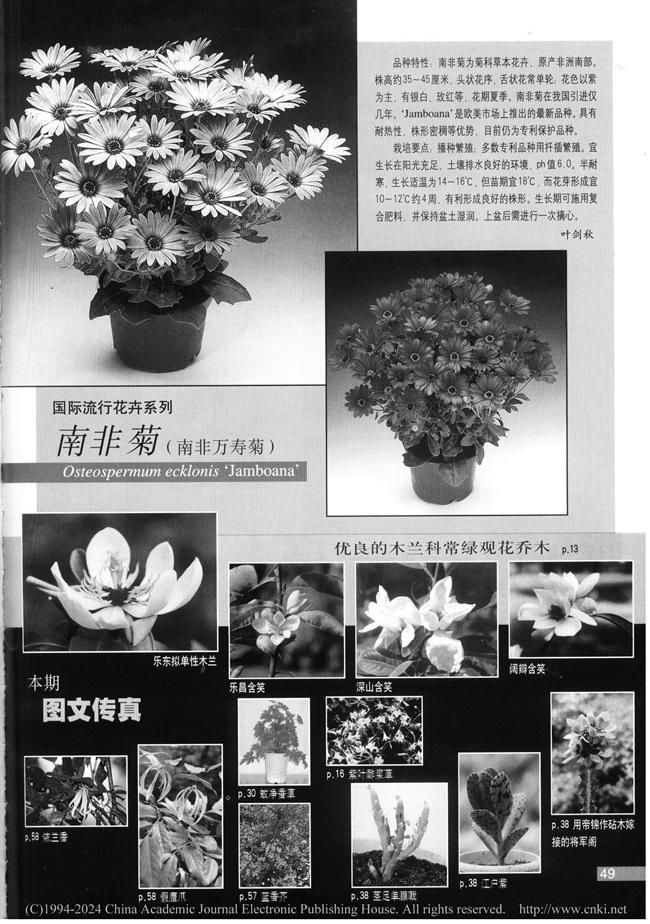
In addition, the chinese plant image library contains photographs of the blue daisies taken on may 21, 2006 at the beijing botanical garden by li gwang-min, which can also be used as evidence of the planting of blue daisies in the chinese garden during this period。